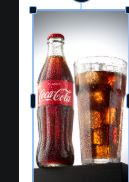
Coca-Cola in the USA: Business and Finance — A Word Comprehensive Analysis
Introduction
Coca-Cola stands as one of the most iconic brands in the world, and its presence in the United States remains central to its global identity, financial strength, and strategic evolution. Since its creation in 1886 in Atlanta, Georgia, Coca-Cola has expanded from a simple soda fountain beverage into a multi-billion-dollar multinational corporation with a diversified beverage portfolio. Its U.S. operations play a crucial role in shaping revenue streams, brand value, marketing innovation, supply chain infrastructure, and long-term business strategy.
In the modern era—shaped by rapid changes in consumer preferences, economic pressure, health trends, and competition—Coca-Cola’s business and financial strategies in the U.S. reveal a dynamic company balancing tradition with reinvention. This article provides a 2000-word deep dive into Coca-Cola’s performance, financial positioning, business model, competitive landscape, marketing success, challenges, investments, and future prospects in the American market.
1. Historical Evolution of Coca-Cola in the USA
Coca-Cola’s journey in the U.S. began as a pharmacy beverage sold for 5 cents a glass. Over time, it evolved into a large-scale bottling and distribution enterprise. The company’s history in the United States can be divided into several phases:
1.1 Early Expansion (1886–1950)
- The original formula and branding helped Coca-Cola differentiate itself during the soda fountain era.
- By the early 1900s, bottling partnerships allowed Coca-Cola to expand nationwide, laying the foundation for its current franchise model.
- Aggressive advertising campaigns in newspapers, posters, and calendars helped build a national identity around the brand.
1.2 Post-war Growth & Market Dominance (1950–2000)
- Introduction of metal cans, vending machines, and later plastic bottles expanded availability across retail channels.
- Sponsorship of major American sports, music, and pop culture events turned Coca-Cola into a cultural symbol.
- Acquisitions like Minute Maid helped diversify into juices and non-carbonated beverages.
1.3 Modern Era (2000–present)
- Shifts toward health-conscious consumption pushed Coca-Cola to reduce sugar, introduce zero-calorie versions, and expand into water, tea, coffee, and energy drink categories.
- Technological advancements improved supply chain efficiency, data-driven marketing, and digital retail expansion.
- Coca-Cola consolidated many U.S. bottlers into one major partner—Coca-Cola Consolidated—to strengthen domestic operations.
2. Coca-Cola’s Business Model in the USA
Coca-Cola’s business model in the U.S. is based on three strategic pillars:
2.1 Asset-Light Beverage Production Model
Coca-Cola produces beverage concentrates, syrups, and formulas rather than manufacturing most bottled drinks itself. The finished products are produced by independent bottling partners that Coca-Cola partly owns or authorizes.
This lowers capital expenditure and allows Coca-Cola to focus heavily on:
- Brand building
- Beverage innovation
- Marketing
- Quality control
- Partnerships
- Long-term strategy
2.2 Bottling Partners and Distribution Network
The Coca-Cola system in the U.S. relies on major bottlers such as:
- Coca-Cola Consolidated
- Coca-Cola Bottling Company United
- Swire Coca-Cola
These bottlers handle manufacturing, warehousing, transportation, and retail delivery. This decentralized model creates agility, scalability, and specialized local operations across the country.
2.3 Diversified Beverage Portfolio
Coca-Cola USA manages a broad product portfolio including:
- Coca-Cola, Diet Coke, Coke Zero
- Sprite, Fanta, Barq’s
- Dasani, Smartwater
- Minute Maid, Simply
- Powerade, Vitaminwater
- Georgia Coffee (select markets)
- Honest Tea (discontinued but previously significant)
- Topo Chico Hard Seltzer (via partnership)
Coca-Cola continues to reposition itself beyond carbonated drinks toward health-focused, functional, and premium categories.
3. Financial Performance of Coca-Cola in the USA
While Coca-Cola is a global company, the U.S. remains its largest and most profitable market. A significant share of Coca-Cola’s revenues, operating income, and brand equity originates from American sales.
3.1 Revenue Contribution
The North American region typically contributes over one-third of Coca-Cola’s global revenue. The financial advantage comes from:
- Strong brand loyalty
- High per-capita consumption of beverages
- A mature retail ecosystem
- Widespread availability in restaurants, supermarkets, gas stations, and entertainment venues
3.2 Profit Margins
Coca-Cola enjoys healthy margins due to its asset-light model. The concentrate business yields:
- High gross margins
- Stable operating margins
- Predictable cash flows
Even when bottlers’ costs fluctuate (sugar, aluminum, transportation), Coca-Cola maintains strong profitability because it sells concentrates at premium prices.
3.3 Stock Market Strength
Coca-Cola is a staple of American investment portfolios:
- It is one of Warren Buffett’s largest holdings.
- It has paid consistent dividends for decades.
- It is considered a defensive stock, performing well even during recessions.
The company’s brand, stable dividend growth, and predictable demand make it a reliable blue-chip investment. click here to know more https://en.wikipedia.org
4. Marketing and Branding Strategy in the USA
Coca-Cola’s marketing is one of its most powerful assets. The U.S. market acts as the testing ground for new advertising concepts, digital campaigns, packaging innovations, and seasonal promotions.
4.1 Cultural Branding
Some of Coca-Cola’s most famous U.S. campaigns include:
- “Share a Coke”
- “Taste the Feeling”
- “Open Happiness”
- Christmas campaigns with Santa Claus
- Sponsorship of the Olympics, FIFA, NBA, NASCAR
These campaigns position Coca-Cola not merely as a beverage, but as part of American culture and tradition.
4.2 Digital Marketing and Data Analytics
Coca-Cola invests heavily in:
- Social media advertising
- Mobile app loyalty programs
- AI-driven consumer behavior analysis
- Personalized marketing
- Smart vending machines
This helps the company target consumers with precision, particularly younger generations.
4.3 Event Sponsorship
Coca-Cola maintains partnerships with:
- Major sports leagues
- Concert tours
- Universities
- Festivals
These activities ensure strong visibility and emotional connection with consumers.
5. Competitive Landscape in the USA
Coca-Cola faces intense competition in nearly every segment.
5.1 PepsiCo
Pepsi remains Coca-Cola’s biggest competitor in:
- Cola beverages
- Sports drinks (Gatorade vs. Powerade)
- Bottled water
- Flavored beverages
The competition has driven both companies to innovate, diversify, and invest heavily in marketing.
5.2 Other Competitors
Coca-Cola also competes with:
- Nestlé (water and coffee)
- Keurig Dr Pepper (carbonated drinks and flavored beverages)
- Starbucks (coffee and ready-to-drink beverages)
- Energy drink brands like Red Bull and Monster
- Supermarket private labels offering cheaper alternatives
This broad competition ensures that Coca-Cola must continually evolve to maintain its leading position.
6. Supply Chain and Logistics in the U.S.
Coca-Cola’s U.S. supply chain is a vast network involving:
- Ingredient suppliers
- Concentrate manufacturing plants
- Bottling facilities
- Warehouses
- Distribution centers
- Retail and foodservice clients
6.1 Efficiency and Flexibility
The company uses:
- Advanced inventory management
- AI-based forecasting
- Route optimization
- Real-time logistics tracking
This ensures reliable supply even during disruptions.
6.2 Sustainability Efforts
Coca-Cola USA has made commitments to:
- Reduce plastic waste
- Increase recycling
- Use more recycled PET (rPET)
- Lower carbon emissions
- Improve water stewardship
https://www.coca-cola.comHowever, Coca-Cola continues to face criticism over pollution and sustainability challenges. click here to know more https://www.coca-cola.com
7. Challenges Facing Coca-Cola in the U.S. Market
Despite its strength, Coca-Cola faces several challenges:
7.1 Health and Wellness Trends
Increasing focus on:
- Sugar reduction
- Natural ingredients
- Functional beverages
This trend has forced Coca-Cola to reformulate products and launch low-calorie variations.
7.2 Regulatory Pressure
Possible regulations include:
- Sugar taxes
- Labeling requirements
- Restrictions on soda in schools
These impact demand and brand image.
7.3 Rising Input Costs
Coca-Cola faces increased costs for:
- Aluminum cans
- Sugar and corn syrup
- Distribution fuel
- Labor
Inflationary pressure can impact bottlers and final product prices.
7.4 Environmental Criticism
Coca-Cola is often highlighted in discussions about plastic waste. Activists and sustainability organizations demand stronger commitments and action.
8. Strategic Investments and Innovation
Coca-Cola continues to invest in long-term growth in the U.S. through:
8.1 New Product Development
Examples include:
- Coca-Cola Creations limited editions
- Coke Zero reformulations
- Energy drinks (Coca-Cola Energy, Monster partnership)
- Hard beverages like Topo Chico Hard Seltzer
8.2 Technology and Automation
Investment areas:
- AI in production lines
- Autonomous warehouse operations
- Digital vending machines
- Smart retail shelves
8.3 Acquisitions & Partnerships
Coca-Cola partners with or acquires:
- Coffee chains
- Functional beverage companies
- Sports drink innovators
- Premium water brands
These deals increase diversification and reduce reliance on carbonated beverages.
9. Future Outlook for Coca-Cola in the USA
Coca-Cola’s future in the American business and finance landscape remains strong despite challenges.
9.1 Continued Diversification
The beverage market is evolving, and Coca-Cola is increasingly investing in:
- Zero-sugar options
- Energy drinks
- Coffee and tea
- Hydration and isotonic drinks
- Alcoholic beverage collaborations
9.2 Sustainability as a Competitive Advantage
Coca-Cola aims to build a fully circular packaging system by increasing recycling infrastructure and designing more eco-friendly packaging.
9.3 Digital Transformation
Expect growth in:
- E-commerce beverage sales
- Direct-to-consumer platforms
- Personalized advertising
- Real-time data analytics
9.4 Strong Financial Stability
Coca-Cola’s U.S. operations will continue to drive:
- Consistent dividends
- Stable cash flow
- Shareholder value
- Long-term competitiveness
Conclusion
Coca-Cola in the USA remains a symbol of American industry, culture, and business innovation. From its beginnings as a soda fountain beverage in Atlanta to its evolution into a global beverage powerhouse, its U.S. operations are central to its financial performance, brand identity, and strategic direction.
The company has successfully adapted to competition, health concerns, economic pressures, and changes in consumer preferences by embracing innovation, diversifying its portfolio, and strengthening partnerships. Despite challenges related to sustainability, regulation, and rising costs, Coca-Cola continues to demonstrate financial resilience and strategic agility.
With ongoing investments in technology, marketing, sustainability, and new beverage categories, Coca-Cola remains well-positioned to shape the future of the beverage industry in the United States for decades to come.