HI, I am Ratnesh. My hobby is content writing in Air Taxi in the USA. Its Future of urban crowd of Traffic should be reduced .Many many thanks for Reader and subscribes it
Air Taxi in the USA: The Future of Urban and Regional Mobility
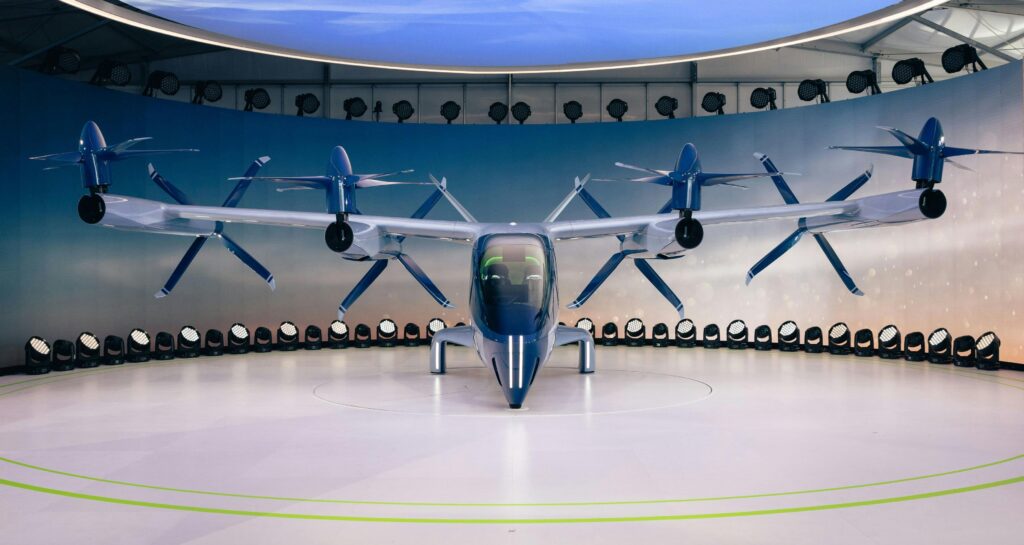
The concept of air taxi in the USA is transforming the way people think about transportation. With rapid advancements in aviation technology, electric propulsion, and autonomous systems, air taxis are emerging as a revolutionary solution for urban congestion, regional travel, and sustainable mobility. Air taxis, often referred to as eVTOL (electric vertical takeoff and landing) aircraft, promise faster, cleaner, and more efficient travel across American cities and beyond.
This in-depth guide explores everything you need to know about air taxis in the United States, including their technology, key companies, benefits, challenges, regulations, use cases, and future potential.
What Is an Air Taxi?
An air taxi is a small aircraft designed to transport passengers over short to medium distances, typically within cities or between nearby urban centers. Unlike traditional airplanes or helicopters, most modern air taxis are:
Electric-powered (eVTOL)
Capable of vertical takeoff and landing
Designed for on-demand, point-to-point travel
Optimized for low noise and zero emissions
Air taxis combine the convenience of ride-sharing services like Uber or Lyft with the speed of aviation, creating a new category known as Urban Air Mobility (UAM).
Why Air Taxis Are Important in the USA
The USA faces major transportation challenges, including traffic congestion, carbon emissions, aging infrastructure, and increasing travel demand. Air taxis aim to solve these problems by:
Reducing travel time in crowded cities
Cutting down road congestion
Lowering environmental impact
Improving access to underserved regions
Supporting emergency and medical services
For example, a 90-minute car journey from downtown Los Angeles to Orange County could take just 15–20 minutes in an air taxi.
How Air Taxi Technology Works
1. Electric Vertical Takeoff and Landing (eVTOL)
Most air taxis in the USA use eVTOL technology, which allows them to take off and land like helicopters but operate more quietly and efficiently.
2. Electric Propulsion Systems
Air taxis rely on high-capacity lithium-ion or next-generation batteries. These systems:
Reduce fuel costs
Produce zero direct emissions
Require less maintenance than jet engines
3. Autonomous and AI Systems
Many companies are developing autonomous air taxis, which use artificial intelligence, sensors, and machine learning for navigation, obstacle avoidance, and traffic management.
4. Advanced Materials
Air taxis are built using lightweight materials such as carbon fiber composites, which improve efficiency and safety.
Major Air Taxi Companies in the USA
The USA is home to some of the world’s leading air taxi developers.
Joby Aviation
Based in California
Backed by Toyota and Delta Airlines
FAA-certified for testing
Plans commercial services by mid-2020s
Archer Aviation
Partnered with United Airlines
Focused on urban air taxi networks
Targeting New York, Los Angeles, and Chicago
Lilium (US operations)
German company with strong US presence
Develops jet-powered eVTOLs
Longer range than many competitors
Wisk Aero
Backed by Boeing
Specializes in fully autonomous air taxis
Volocopter (US expansion)
Testing services in US cities
Focused on urban operations
Air Taxi Regulations in the USA
FAA and Air Taxi Certification
The Federal Aviation Administration (FAA) plays a crucial role in regulating air taxis. For commercial operations, air taxis must:
Meet aircraft certification standards
Pass safety and flight tests
Follow airspace integration rules
Comply with pilot licensing regulations
Air Traffic Management
New systems like UTM (Unmanned Traffic Management) are being developed to manage air taxi traffic alongside drones and traditional aircraft.
Key Benefits of Air Taxis in the USA
1. Faster Travel
Air taxis drastically reduce commute times, especially in large cities like:
New York
Los Angeles
San Francisco
Miami
Dallas
2. Environmental Sustainability
Electric air taxis produce:
Zero tailpipe emissions
Lower noise pollution
Reduced fossil fuel dependency
This aligns with US climate goals and carbon neutrality targets.
3. Reduced Traffic Congestion
By shifting a portion of travel from roads to air, air taxis can significantly ease urban traffic.
4. On-Demand Mobility
Users can book air taxis via mobile apps, similar to ride-hailing services.
5. Improved Emergency Services
Air taxis can support:
Medical evacuation
Organ transport
Disaster relief
Search and rescue
Air Taxi Use Cases in the USA
Urban Commuting
Short-distance city travel is the primary market. Air taxis connect business districts, airports, and residential areas.
Airport Transfers
Air taxis provide fast connections between airports and city centers, especially useful in:
New York City
Los Angeles
Atlanta
Chicago
Intercity Travel
Regional air taxi routes can replace short-haul flights or long car journeys.
Tourism and Leisure
Air taxis enable scenic flights, luxury travel, and exclusive experiences.
Healthcare and Emergency
Hospitals can use air taxis for rapid patient transfers and medical logistics.
Infrastructure for Air Taxis in the USA
Vertiports
Vertiports are specialized hubs for air taxi operations. They include:
Landing pads
Charging stations
Passenger lounges
Maintenance facilities
Major US cities are already planning vertiports on rooftops, parking structures, and near airports.
Charging Networks
High-speed electric charging is essential for commercial viability.
Smart Cities Integration
Air taxis are part of future smart city ecosystems, integrated with:
Public transport
Ride-sharing platforms
Urban planning systems
Safety of Air Taxis
Safety is one of the biggest concerns for public adoption.
Redundant Systems
Air taxis use multiple motors and backup systems to prevent failure.
Autonomous Safety Features
AI systems monitor flight conditions and can land safely in emergencies.
FAA Safety Standards
Air taxis must meet strict safety certifications before commercial launch.
Challenges Facing Air Taxis in the USA
High Development Costs
Developing eVTOL aircraft requires billions of dollars in R&D.
Battery Limitations
Current battery technology limits range and passenger capacity.
Airspace Congestion
Managing thousands of air taxis requires new traffic control systems.
Public Trust
Many people remain hesitant about flying in small autonomous aircraft.
Regulatory Delays
FAA certification processes can slow down commercial deployment.
Air Taxi Market Size and Growth in the USA
The US air taxi market is expected to grow rapidly over the next decade.
Estimated market value by 2035: $150+ billion
Annual growth rate: 20–30%
Major investors: Boeing, Airbus, Toyota, Google, Uber
This growth positions the USA as the global leader in urban air mobility.
Economic Impact of Air Taxis
Air taxis will create thousands of jobs in:
Aerospace engineering
Software development
Infrastructure construction
Maintenance services
Customer operations
They will also boost regional economies and improve business productivity.
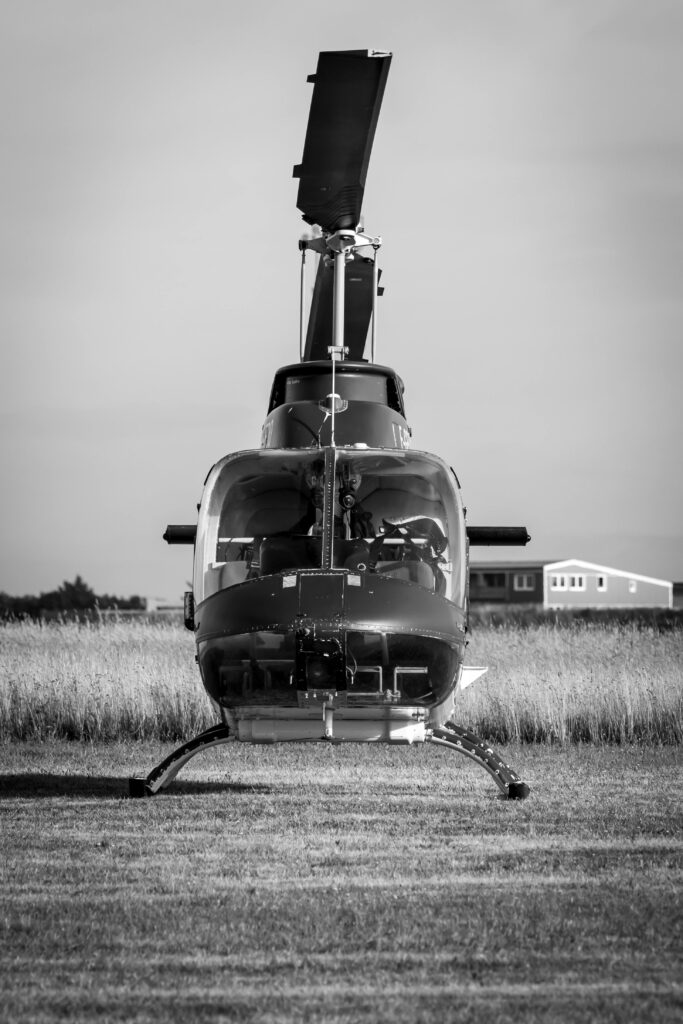
Air Taxis vs Helicopters
Feature Air Taxi Helicopter
Fuel Electric Jet fuel
Noise Very low Very high
Emissions Zero High
Maintenance Low High
Cost per mile Low Very high
Automation High Low
Air taxis are more affordable, quieter, and eco-friendly.
Cost of Air Taxi Services in the USA
Initially, air taxi fares may range from $3 to $6 per mile, similar to premium ride-sharing. Over time, prices could drop to $1–2 per mile, making them accessible to a wider population.
Future of Air Taxis in the USA
Fully Autonomous Air Taxis
By 2035, most air taxis are expected to operate without human pilots.
Integration with Smart Mobility
Air taxis will connect with:
Hyperloop systems
Autonomous cars
High-speed rail
Mass Adoption
Air taxis could become as common as taxis and buses in major US cities.
Space and Defense Applications
Military and space agencies are exploring air taxi technology for logistics and training.
Role of Air Taxis in Climate Goals
The USA aims to reduce transportation emissions significantly. Air taxis support:
Net-zero aviation goals
Renewable energy integration
Sustainable urban planning
Electric air taxis could replace millions of fossil-fuel car journeys annually.
Public Perception and Adoption
Surveys show increasing interest in air taxi services, especially among:
Young professionals
Business travelers
Tech-savvy users
Tourists
Public trust will grow as safety records improve and prices fall.
Investment and Funding in Air Taxi Startups
US air taxi startups have raised billions in funding through:
Venture capital
IPOs
Government grants
Strategic partnerships
This financial backing accelerates innovation and commercialization.
Air Taxis and National Security
Air taxis can strengthen:
Emergency response systems
Border monitoring
Disaster recovery logistics
They provide flexible mobility solutions during crises.
Ethical and Social Considerations
Key concerns include:
Noise pollution
Visual clutter in cities
Data privacy
Airspace fairness
Policymakers must balance innovation with public interest.
The Next Decade of Air Taxis in the USA
From experimental prototypes to everyday transportation, air taxis are moving fast toward reality. The next ten years will define:
Regulatory frameworks
Infrastructure development
Public acceptance
Commercial scalability
The USA is positioned to lead the world in air taxi deployment.
Conclusion: Is Air Taxi the Future of Transportation in the USA?
The rise of air taxis in the USA represents a major shift in how Americans move. With cleaner technology, faster travel, and smart infrastructure, air taxis offer a practical solution to urban congestion and environmental challenges. While hurdles remain, the combination of strong investment, government support, and technological innovation makes air taxis one of the most promising transportation revolutions of the 21st century.
In the near future, booking an air taxi could be as normal as calling a cab — only this time, your ride will be in the sky.