HI,I am Ratnesh.My hobby is content writing .
Here is a unique, detailed on alternatives to LPG (Liquefied Petroleum Gas) in the USA:
Alternatives to LPG in the USA: A Comprehensive Guide
Introduction
Liquefied Petroleum Gas (LPG), commonly known as propane or butane, has long been a popular fuel source in the United States. It is widely used for residential heating, cooking, water heating, and even in industrial and agricultural sectors. However, with growing concerns about environmental sustainability, rising fuel costs, and the push toward renewable energy, the search for viable alternatives to LPG has gained significant momentum.
The United States is currently undergoing a major energy transition, driven by climate goals, technological advancements, and policy incentives. As a result, several alternative energy sources are emerging as substitutes for LPG. These alternatives range from electricity-based solutions and renewable fuels to advanced hybrid systems.
This article explores the most prominent LPG alternatives in the USA, analyzing their advantages, limitations, applications, and future potential.
Why Look for Alternatives to LPG?
Before diving into the alternatives, it’s important to understand why LPG is being reconsidered.
1. Environmental Concerns
Although LPG burns cleaner than coal or oil, it still emits carbon dioxide (CO₂), contributing to greenhouse gas emissions and climate change.
2. Price Volatility
LPG prices fluctuate due to global supply-demand dynamics, crude oil prices, and geopolitical factors, making it less predictable.
3. Infrastructure Limitations
In some regions, LPG delivery and storage infrastructure can be inconvenient or costly compared to grid-based energy systems.
4. Policy and Regulations
Government incentives increasingly favor low-carbon and renewable energy sources over fossil fuels like LPG.
1. Electricity (Grid and Renewable-Based)
Overview
Electricity is one of the most widely adopted alternatives to LPG in the USA. It is used for cooking, heating, and powering appliances.
Applications
Electric stoves and ovens
Heat pumps for space heating
Electric water heaters
Advantages
Zero emissions at the point of use
Highly efficient appliances
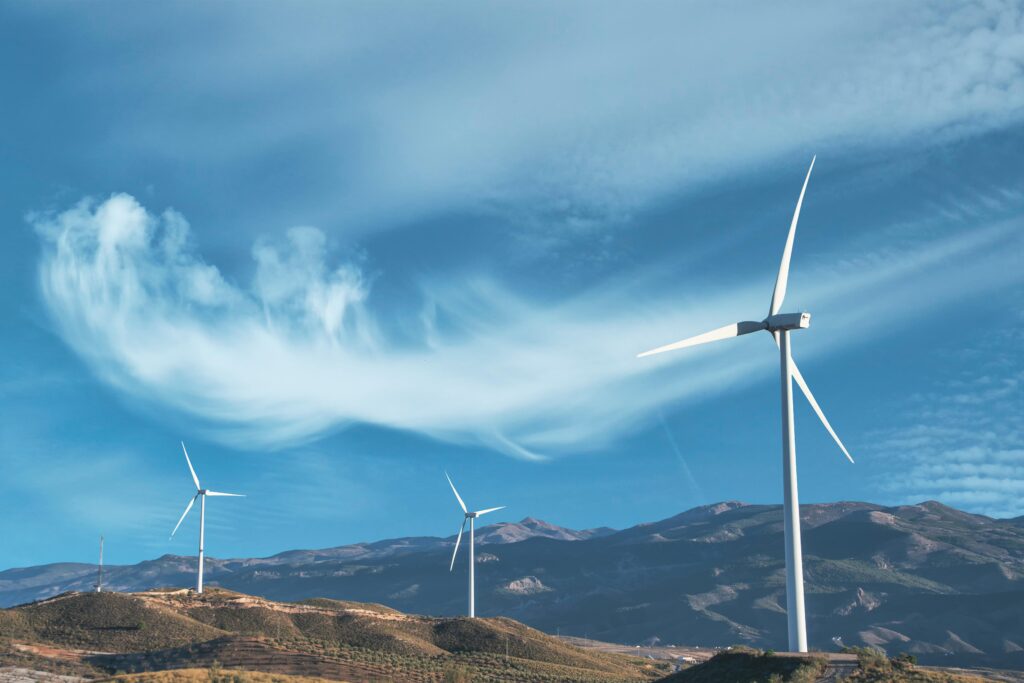
Increasing use of renewable energy (solar, wind)
Disadvantages
Higher electricity costs in some states
Dependence on grid reliability
Initial cost of appliance upgrades
Growth Trend
With the rise of renewable energy sources like solar and wind, electricity is becoming cleaner and more sustainable, making it a strong long-term replacement for LPG.
2. Natural Gas
Overview
Natural gas is one of the closest substitutes for LPG in the United States and is widely used in urban and suburban areas.
Applications
Home heating systems
Gas stoves
Industrial processes
Advantages
Lower cost compared to LPG
Continuous supply via pipelines
Lower carbon emissions than LPG
Disadvantages
Still a fossil fuel
Methane leaks can harm the environment
Limited availability in rural areas
Future Outlook
Natural gas is often considered a “bridge fuel” in the transition to cleaner energy systems.
3. Solar Energy
Overview
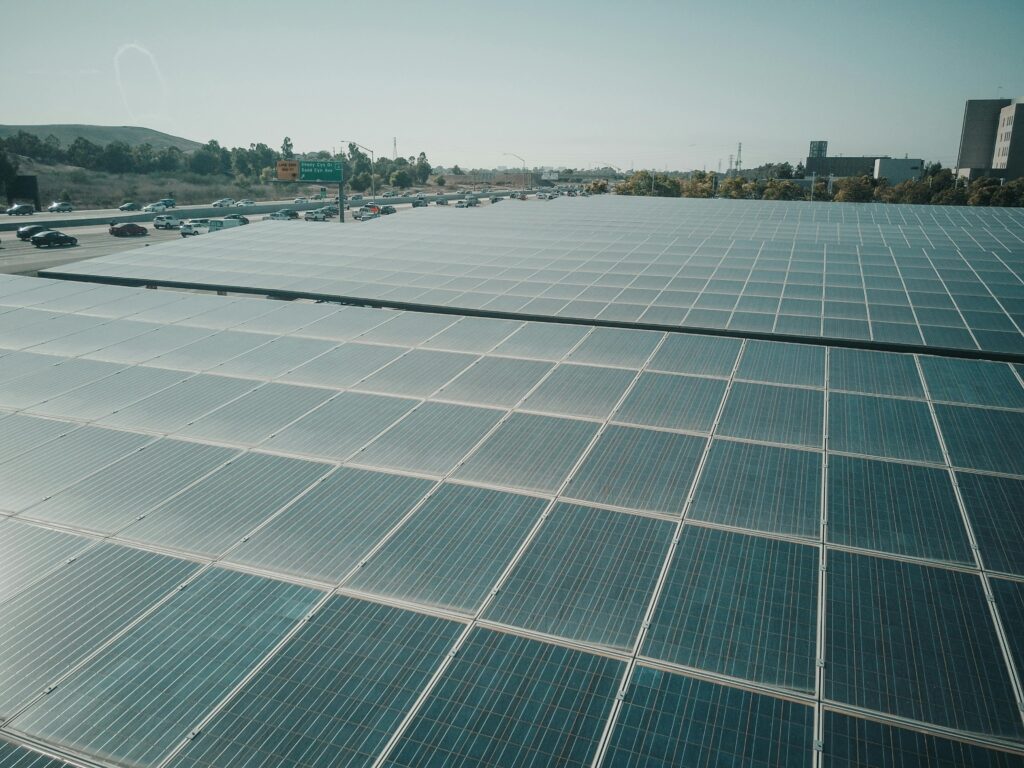
Solar energy is one of the fastest-growing renewable alternatives to LPG in the USA.
Applications
Solar water heaters
Solar cookers
Rooftop solar panels for electricity
Advantages
Renewable and sustainable
Reduces electricity bills
Low maintenance after installation
Disadvantages
High upfront installation cost
Weather-dependent
Requires space for panels
Government Support
Federal tax credits and state incentives have made solar systems more affordable and attractive for homeowners.
4. Heat Pumps
Overview
Heat pumps are highly efficient systems that provide both heating and cooling using electricity.
Types
Air-source heat pumps
Ground-source (geothermal) heat pumps
Applications
Space heating
Water heating
Advantages
Energy-efficient (up to 3–4 times more efficient than LPG systems)
Lower operating costs over time
Environmentally friendly
Disadvantages
Higher installation cost
Performance may vary in extremely cold climates (though modern systems are improving)
Trend
Heat pumps are rapidly gaining popularity as a replacement for LPG heating systems in the USA.
5. Biogas (Renewable Gas)
Overview
Biogas is produced from organic waste such as food scraps, agricultural waste, and sewage.
Applications
Cooking fuel
Heating
Electricity generation
Advantages
Renewable and sustainable
Reduces waste
Lower greenhouse gas emissions
Disadvantages
Limited availability in urban settings
Requires specialized systems
Not widely commercialized for residential use
Future Potential
Biogas has strong potential, especially in rural and agricultural areas.
6. Hydrogen Fuel
Overview
Hydrogen is an emerging clean energy source that can be used for heating, cooking, and power generation.
Types
Green hydrogen (produced using renewable energy)
Blue hydrogen (produced from natural gas with carbon capture)
Advantages
Zero emissions when used
High energy efficiency
Versatile applications
Disadvantages
Expensive production
Limited infrastructure
Storage challenges
Future Outlook
Hydrogen is still in early stages but is expected to play a major role in the future energy landscape.
7. Electric Induction Cooking
Overview
Induction cooktops are an advanced electric cooking technology that uses electromagnetic fields to heat cookware directly.
Advantages
Faster cooking than LPG
High energy efficiency
Safer (no open flame)
Disadvantages
Requires compatible cookware
Higher initial cost
Adoption Trend
Induction cooking is becoming increasingly popular in modern American kitchens.
8. District Heating Systems
Overview
District heating provides centralized heat generated from a single source to multiple buildings.
Sources
Biomass
Waste heat
Geothermal energy
Advantages
Efficient energy use
Reduced emissions
Lower maintenance for users
Disadvantages
Limited availability
High infrastructure cost
9. Biomass Energy
Overview
Biomass includes wood pellets, agricultural waste, and other organic materials used as fuel.
Applications
Heating systems
Cooking in rural areas
Advantages
Renewable
Locally available
Carbon-neutral (in many cases)
Disadvantages
Air pollution concerns
Storage requirements
Less convenient than LPG
10. Geothermal Energy
Overview
Geothermal energy uses heat from the Earth to provide heating and electricity.
Applications
Space heating
Water heating
Advantages
Highly efficient
Renewable
Stable and reliable
Disadvantages
High upfront cost
Location-specific
Comparison of LPG Alternatives
Energy Source Cost Environmental Impact Availability Efficiency
Electricity Medium Low (renewable-based) High High
Natural Gas Low Medium High High
Solar Energy High initial Very Low Medium High
Heat Pumps Medium Very Low High Very High
Biogas Low Very Low Low Medium
Hydrogen High Very Low Low High
Biomass Low Medium Medium Medium
Challenges in Replacing LPG
Despite the availability of alternatives, several challenges remain:
1. High Initial Costs
Many alternatives require significant upfront investment.
2. Infrastructure Gaps
Hydrogen and biogas infrastructure are still under development.
3. Consumer Awareness
Many people are still unaware of the benefits and options available.
4. Regional Differences
Energy solutions vary depending on geography, climate, and urbanization.
Government Policies and Incentives
The US government supports the transition away from fossil fuels through:
Tax credits for solar installations
Rebates for heat pumps and electric appliances
Clean energy grants
State-level renewable energy programs
These initiatives are accelerating the adoption of LPG alternatives.
Future Trends
1. Electrification of Homes
More homes are shifting toward all-electric systems.
2. Renewable Energy Expansion
Solar and wind energy are becoming more affordable and widespread.
3. Smart Energy Systems
Integration of smart grids and energy-efficient appliances.
4. Decarbonization Goals
The USA aims to reduce greenhouse gas emissions significantly by 2050.
Conclusion
The transition away from LPG in the United States is both inevitable and necessary for environmental sustainability and energy security. A wide range of alternatives—such as electricity, natural gas, solar energy, heat pumps, hydrogen, and biogas—are already available and continue to evolve.
Each alternative comes with its own advantages and limitations, and the best choice often depends on individual needs, location, and budget. While challenges such as infrastructure and cost remain, ongoing technological advancements and government support are making these alternatives increasingly viable.
In the coming decades, LPG is likely to be gradually replaced by cleaner, more efficient, and renewable energy sources, shaping a more sustainable future for the United States.