American Airlines (AA): Business and Finance in the United States
Introduction
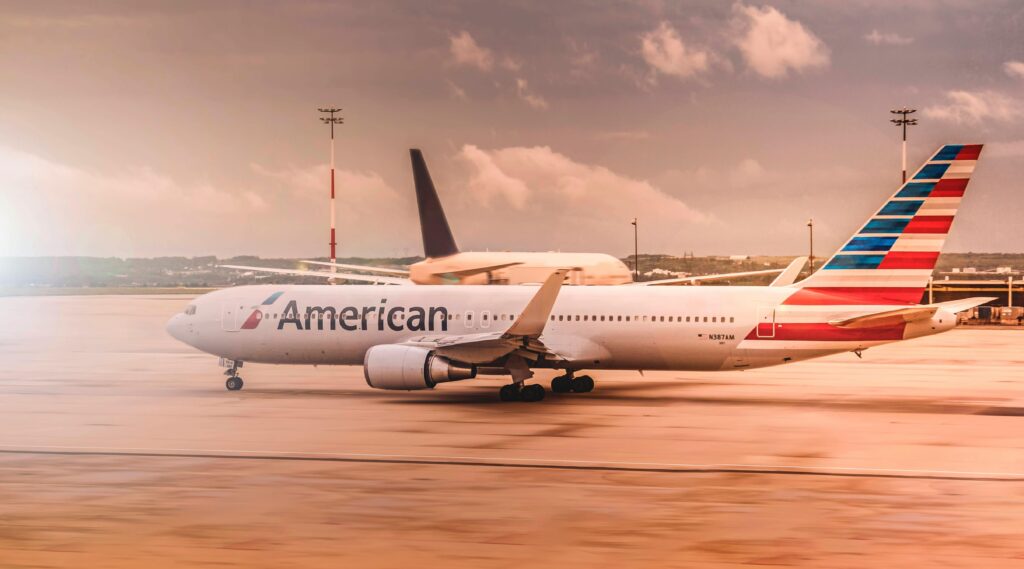
American Airlines Group Inc. (commonly referred to as AA) is one of the most influential companies in the U.S. aviation industry. As a major carrier with an extensive domestic and international network, American Airlines plays a crucial role in the U.S. economy, transportation infrastructure, employment, and global trade. Its business and financial performance are closely watched by investors, policymakers, travelers, and competitors alike.
American Airlines
Over the decades, American Airlines has navigated economic cycles, fuel price volatility, labor negotiations, mergers, technological disruption, and unprecedented crises such as the COVID-19 pandemic. Today, AA stands as a complex organization balancing profitability, customer experience, sustainability, and financial discipline in one of the world’s most competitive industries.
This article provides an in-depth analysis of American Airlines’ business model, revenue streams, cost structure, financial performance, debt profile, competitive positioning, and future outlook in the U.S. market.
Overview of American Airlines
American Airlines was founded in 1930 and has grown into one of the largest airlines in the world. Headquartered in Fort Worth, Texas, the company operates under American Airlines Group Inc., which was formed after the 2013 merger between American Airlines and US Airways.
Key facts about American Airlines in the USA include:
One of the “Big Three” U.S. airlines (alongside Delta Air Lines and United Airlines)
Operates thousands of daily flights
Serves hundreds of destinations across North America and globally
Member of the oneworld® alliance
Employs well over 100,000 people in the United States
American Airlines’ scale gives it enormous revenue potential, but it also exposes the company to high operating costs and financial risk.
Business Model of American Airlines
Core Airline Operations
At its core, American Airlines operates a network-based airline business model. The company connects passengers and cargo through a hub-and-spoke system centered around major U.S. airports such as Dallas/Fort Worth, Charlotte, Miami, Chicago O’Hare, and Phoenix.
The airline generates revenue by transporting:
Leisure travelers
Business travelers
Government and military passengers
Cargo shipments
Ticket pricing varies based on demand, seasonality, route competition, and service class.
Hub-and-Spoke Strategy
American Airlines’ hub strategy is fundamental to its business success. By concentrating flights through major hubs, the airline can:
Maximize aircraft utilization
Offer more destination choices
Increase connecting passenger traffic
Improve operational efficiency
However, hub concentration also increases vulnerability to weather disruptions, airport congestion, and regional economic downturns.
Revenue Streams of American Airlines
Passenger Revenue
Passenger revenue is the largest component of American Airlines’ income. It comes from:
Domestic flights within the USA
International routes to Europe, Latin America, and Asia
Premium cabins (First Class and Business Class)
Economy and Basic Economy fares
Business travelers, in particular, are critical because they typically pay higher fares and travel more frequently.
Ancillary Revenue
In recent years, ancillary revenue has become increasingly important to American Airlines’ financial performance. This includes:
Baggage fees
Seat selection charges
Priority boarding fees
In-flight Wi-Fi purchases
Loyalty program-related income
Ancillary services help AA increase revenue without significantly raising base ticket prices.
Cargo Revenue
Although not as large as passenger revenue, air cargo plays a strategic role in American Airlines’ business. Cargo revenue includes:
E-commerce shipments
Medical supplies
Industrial goods
Time-sensitive freight
Cargo demand surged during the pandemic and remains an important diversification stream.
AAdvantage Loyalty Program
The AAdvantage loyalty program is one of American Airlines’ most valuable financial assets. It generates revenue through:
Co-branded credit card partnerships
Mileage sales to banks and partners
Customer retention and repeat travel
Many analysts consider the loyalty program more stable and profitable than airline ticket sales themselves.
Cost Structure and Operating Expenses
Fuel Costs
Fuel is one of the largest and most volatile expenses for American Airlines. Jet fuel prices fluctuate based on global oil markets, geopolitical events, and supply constraints.
To manage fuel risk, American Airlines may use:
Fuel hedging strategies (limited compared to some competitors)
Fleet modernization for fuel efficiency
Route optimization
Fuel cost volatility directly impacts profitability.
Labor Costs
American Airlines employs pilots, flight attendants, mechanics, ground staff, and corporate employees. Labor costs account for a significant portion of total operating expenses.
Key labor-related factors include:
Union negotiations
Wage increases
Benefits and pensions
Staffing shortages
Maintaining labor harmony is essential for operational stability and financial performance.
Aircraft Ownership and Leasing
AA operates a large and diverse fleet, including Boeing and Airbus aircraft. Costs related to aircraft include:
Purchase or lease payments
Depreciation
Maintenance and repairs
Fleet decisions have long-term financial implications and affect fuel efficiency, customer comfort, and reliability.
Airport and Operational Costs
Other major expenses include:
Airport fees and gate leases
Air traffic control charges
Ground handling services
Technology and IT systems
These costs are influenced by regulatory policies and airport infrastructure investments in the USA.
Financial Performance and Profitability
Revenue Growth Trends
American Airlines’ revenue performance closely tracks:
U.S. economic growth
Consumer travel demand
Business travel recovery
International market conditions
In strong economic periods, passenger demand rises, leading to higher load factors and pricing power. During recessions, revenue can decline sharply.
Profit Margins
Airline profit margins are traditionally thin. American Airlines must carefully balance pricing, costs, and capacity to remain profitable.
Key margin drivers include:
Fuel prices
Labor agreements
Route profitability
Competition from low-cost carriers
Small changes in costs or demand can significantly affect net income.
Cash Flow Management
Cash flow is critical in the airline industry due to high fixed costs. American Airlines focuses on:
Maintaining liquidity reserves
Managing capital expenditures
Servicing debt obligations
Strong cash flow allows AA to withstand economic shocks and invest in growth.
Debt, Capital Structure, and Financing
High Debt Levels
American Airlines carries a higher debt load compared to some competitors. Debt increased significantly due to:
Aircraft purchases
The US Airways merger
Pandemic-related borrowing
While debt enables growth and survival during downturns, it also increases interest expenses and financial risk.
Interest Expenses
Rising interest rates in the USA can increase borrowing costs for American Airlines. Managing refinancing and debt maturity schedules is a key financial priority.
Capital Markets Access
American Airlines regularly accesses capital markets through:
Bond issuances
Aircraft-backed financing
Credit facilities
Investor confidence depends on the company’s ability to demonstrate sustainable profitability.
Competitive Landscape in the USA
Major Competitors
American Airlines competes primarily with:
Delta Air Lines
United Airlines
Southwest Airlines
Low-cost carriers like JetBlue, Spirit, and Frontier
Each competitor has a different cost structure and strategic focus.
Competition from Low-Cost Carriers
Low-cost carriers put pressure on fares, especially on domestic routes. American Airlines responds by:
Offering Basic Economy fares
Improving operational efficiency
Leveraging its loyalty program
Price competition remains intense in the U.S. airline market.
International Competition
On international routes, American Airlines competes with:
Foreign carriers
Global alliances
Premium international airlines
Joint ventures and alliances help AA expand reach and share risk.
Technology and Digital Transformation
Customer Experience Technology
American Airlines invests in digital tools such as:
Mobile apps
Online booking systems
Automated check-in
Real-time flight updates
Technology improves customer satisfaction and reduces operational costs.
Operational Efficiency Systems
Advanced analytics and data systems help AA optimize:
Flight scheduling
Fuel usage
Crew assignments
Maintenance planning
Efficiency gains directly impact financial performance.
Sustainability and Environmental Finance
Fuel Efficiency and Emissions
American Airlines faces pressure to reduce its carbon footprint. Initiatives include:
New, fuel-efficient aircraft
Sustainable aviation fuel (SAF) investments
Operational improvements
Environmental responsibility increasingly influences investor decisions.
ESG and Investor Expectations
Environmental, Social, and Governance (ESG) factors are becoming more important in airline finance. American Airlines must balance sustainability goals with profitability.
Risk Factors Affecting AA Business and Finance
Economic Cycles
Recessions reduce travel demand and corporate spending. American Airlines must maintain flexibility to scale capacity up or down.
Fuel Price Volatility
Sudden fuel price spikes can erode margins quickly, especially without strong hedging strategies.
Regulatory and Policy Risks
Government regulations related to:
Safety
Labor
Environment
Consumer protection
can increase costs and limit operational flexibility.
Geopolitical and Global Risks
International routes are affected by:
Political instability
Trade policies
Global health events
Diversification helps mitigate these risks.
Future Outlook for American Airlines in the USA
Demand Recovery and Growth
Long-term demand for air travel in the USA is expected to grow due to:
Population growth
Tourism
Business globalization
E-commerce logistics
American Airlines is well-positioned to benefit from these trends.
Focus on Financial Discipline
Future success depends on:
Reducing debt
Improving margins
Enhancing cash flow stability
Financial discipline will be crucial for long-term shareholder value.
Innovation and Customer Loyalty
Investments in:
Customer experience
Loyalty programs
Technology
will help American Airlines maintain competitiveness in a crowded market.
Conclusion
American Airlines remains a cornerstone of the U.S. aviation industry, with a powerful brand, extensive network, and massive economic footprint. Its business and financial performance reflect both the opportunities and challenges of operating in a capital-intensive, highly competitive environment.
While American Airlines faces ongoing pressures from fuel costs, labor expenses, debt, and competition, it also benefits from strong demand, a valuable loyalty program, and strategic market positioning. The company’s ability to balance growth, profitability, sustainability, and financial resilience will determine its long-term success in the U.S. business and finance landscape.
As air travel continues to evolve, American Airlines’ strategic decisions in finance, operations, and innovation will play a critical role in shaping the future of aviation in the United States.