Introduction to British Airways
British Airways (BA) is the flag carrier airline of the United Kingdom and one of the most recognized aviation brands in the world. Headquartered in London, the airline has played a central role in connecting Britain to the rest of the globe for decades. Known for its premium service, global route network, and historic legacy, British Airways symbolizes reliability, innovation, and international travel excellence. From transatlantic business routes to leisure destinations across Europe, Asia, Africa, and the Americas, the airline has established itself as a major force in global aviation.
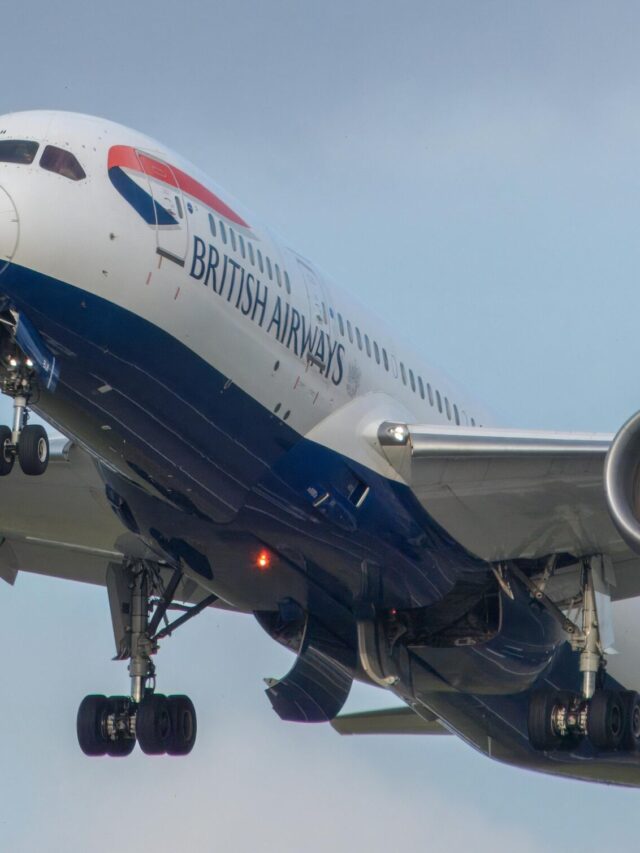
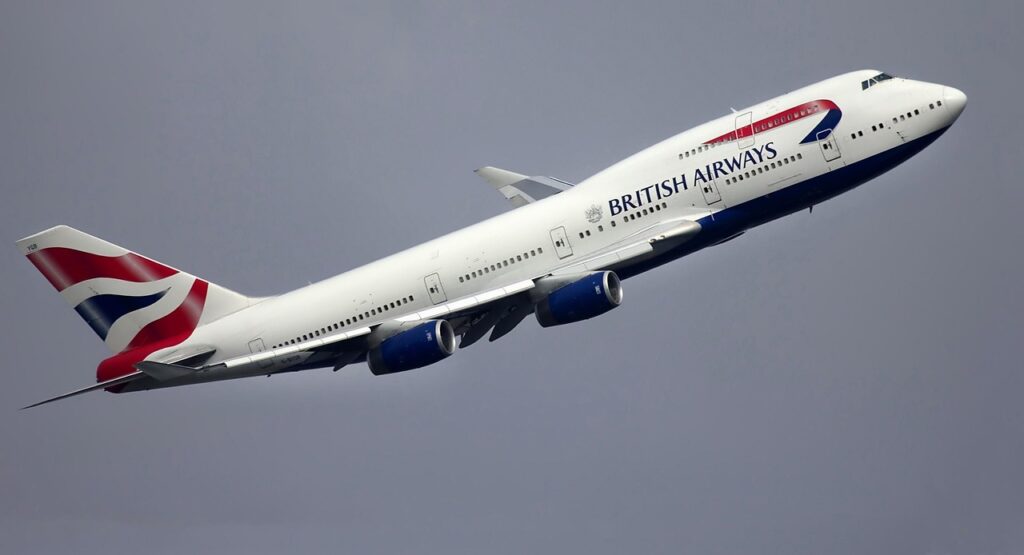
The airline operates from its primary hub at Heathrow Airport, one of the busiest international airports in the world. With thousands of employees and hundreds of aircraft, British Airways serves millions of passengers each year. Its red, white, and blue livery reflects its British heritage, and its motto, “To Fly. To Serve.”, highlights its dedication to customer care.
Historical Background and Formation
British Airways was officially formed in 1974 through the merger of British Overseas Airways Corporation (BOAC) and British European Airways (BEA). These two state-owned airlines had previously handled long-haul and European routes respectively. The merger aimed to create a unified and competitive national carrier capable of expanding its global presence.
However, the roots of British Airways go back even further. In 1919, Aircraft Transport and Travel operated one of the world’s first daily international scheduled air services between London and Paris. This early milestone laid the foundation for Britain’s strong aviation industry.
In the 1980s, British Airways underwent privatization under the UK government. This transition transformed the airline into a more competitive and commercially driven company. During this period, the airline modernized its fleet, improved customer service, and adopted more efficient business practices, helping it regain profitability and international prestige.
Growth and Global Expansion
Over the years, British Airways has expanded its network to serve over 200 destinations in more than 70 countries. Its extensive route network connects major cities such as New York City, Los Angeles, Dubai, Tokyo, and Sydney.
The airline is a founding member of the Oneworld alliance, which allows passengers to access a vast network of partner airlines worldwide. Through code-sharing agreements and strategic partnerships, British Airways offers seamless connectivity and coordinated flight schedules across continents.
In 2011, British Airways merged with Spain’s Iberia to form the International Airlines Group (IAG). This merger strengthened the airline’s financial stability and expanded its influence in European and global markets.
Fleet and Aircraft Technology
British Airways operates a diverse and modern fleet designed to accommodate both short-haul and long-haul operations. The airline uses aircraft manufactured by leading aerospace companies such as Boeing and Airbus.
Long-haul aircraft include the Boeing 777, Boeing 787 Dreamliner, and Airbus A350. These aircraft are known for fuel efficiency, passenger comfort, and advanced technology. The Boeing 787 Dreamliner, for example, features larger windows, improved air pressure systems, and quieter engines, enhancing the passenger experience.
For short-haul routes, British Airways operates the Airbus A320 family. These aircraft are widely used across Europe and provide efficient service to regional destinations.
The airline continually invests in fleet renewal to reduce carbon emissions and improve operational efficiency. By adopting newer aircraft models, British Airways demonstrates its commitment to sustainability and modern aviation standards.
Cabin Classes and Passenger Experience
British Airways offers multiple cabin classes to cater to different passenger needs and budgets:
- First Class – The most luxurious cabin, offering private suites, fine dining, and personalized service.
- Club World (Business Class) – Features lie-flat seats, priority boarding, and lounge access.
- World Traveller Plus (Premium Economy) – Provides extra legroom and enhanced services.
- World Traveller (Economy Class) – Offers comfortable seating and in-flight entertainment.
The airline is known for its elegant cabin design and traditional British hospitality. On long-haul flights, passengers enjoy complimentary meals, beverages, and a wide range of entertainment options, including movies, music, and TV shows.
British Airways also operates premium airport lounges at major hubs. The Galleries Lounges at Heathrow provide comfortable seating, dining areas, Wi-Fi, and business facilities.
Loyalty Program: Executive Club
British Airways operates a frequent flyer program called the Executive Club. Members earn Avios points for flights and partner purchases. These points can be redeemed for flight upgrades, reward tickets, hotel stays, and car rentals.
The program has different membership tiers, including Blue, Bronze, Silver, and Gold. Higher tiers offer benefits such as priority check-in, additional baggage allowance, and lounge access.
Through its membership in the Oneworld alliance, Executive Club members can earn and redeem points with partner airlines worldwide.
Commitment to Sustainability
Sustainability is a growing priority for global airlines, and British Airways has taken significant steps toward reducing its environmental impact. The airline aims to achieve net-zero carbon emissions by 2050. It invests in sustainable aviation fuel (SAF), modern aircraft technology, and carbon offset programs.
British Airways has also partnered with environmental organizations to develop cleaner fuels and reduce single-use plastics on board. By upgrading aircraft and optimizing flight routes, the airline works to minimize fuel consumption and emissions.
Customer Service and Digital Innovation
British Airways has embraced digital transformation to improve customer convenience. Its mobile app allows passengers to check in, download boarding passes, track flights, and manage bookings. Online self-service options reduce waiting times and streamline the travel process.
The airline also uses advanced data analytics to improve operational efficiency and customer satisfaction. Real-time updates and automated systems help manage disruptions and enhance communication with travelers.
Challenges and Resilience
Like many global airlines, British Airways has faced challenges such as economic downturns, fuel price fluctuations, and global crises. The COVID-19 pandemic significantly impacted air travel, forcing airlines worldwide to reduce operations temporarily.
Despite these difficulties, British Airways demonstrated resilience by restructuring operations, enhancing health protocols, and gradually restoring routes as travel demand recovered. Its strong brand identity and loyal customer base helped it navigate these challenging times.
Cultural Significance and Brand Identity
British Airways represents more than just transportation; it embodies British culture and global connectivity. Its branding often incorporates elements of British tradition, including its Union Flag-inspired tail design.
The airline has sponsored major international events and partnered with cultural institutions, promoting British heritage worldwide. Its advertisements frequently highlight luxury, reliability, and global reach.
Economic Contribution
As one of the UK’s largest airlines, British Airways contributes significantly to the national economy. It supports thousands of jobs, including pilots, cabin crew, engineers, and ground staff. The airline also supports tourism, trade, and business travel by connecting the UK to international markets.
Its operations at Heathrow Airport play a crucial role in maintaining London’s position as a global financial and travel hub.
Safety Standards and Training
Safety remains the top priority for British Airways. The airline adheres to strict international aviation regulations and invests heavily in crew training and aircraft maintenance. Pilots undergo rigorous simulator training, and engineers perform regular inspections to ensure airworthiness.
British Airways has maintained a strong safety record over the decades, reinforcing passenger trust and confidence.
Future Outlook
Looking ahead, British Airways plans to expand its fleet with next-generation aircraft, enhance digital services, and strengthen sustainability initiatives. As global travel demand increases, the airline aims to maintain its competitive edge through innovation and customer-focused strategies.
The future of aviation will likely involve greater environmental responsibility, improved passenger comfort, and advanced technology integration. British Airways is positioned to adapt to these changes while preserving its legacy of excellence.
Conclusion
British Airways stands as a symbol of British aviation heritage and global connectivity. From its historic origins to its modern operations, the airline has evolved into a leading international carrier. With its extensive route network, modern fleet, premium services, and commitment to sustainability, British Airways continues to shape the future of air travel.
As it moves forward, the airline remains dedicated to its mission: connecting people, cultures, and economies across the world with professionalism and care. Through innovation, resilience, and a strong sense of identity, British Airways continues to fly millions of passengers safely and comfortably to destinations worldwide.