Hi, I am Ratnesh , my hobby is content writing in cat care Guide ,cat is like as family members in our family ,we should care and love to each other. I hope that reader can read and enjoy it .
Complete Cat Care Guide in the USA
Cats are among the most popular pets in the United States, loved for their playful personalities, independence, and companionship. Millions of households across the country provide loving homes for cats of all breeds and ages. Proper cat care involves understanding a cat’s physical, emotional, and environmental needs. A responsible cat owner ensures that their pet receives proper nutrition, healthcare, grooming, mental stimulation, and a safe living environment.
This comprehensive cat care guide explains everything cat owners in the USA should know—from choosing the right cat to maintaining long-term health and happiness.
Understanding Cats as Pets
Cats are intelligent and curious animals that naturally explore their surroundings. Unlike some pets, cats tend to be more independent, but they still need attention and proper care from their owners.
Domestic cats descended from wild ancestors that were skilled hunters. Because of this, many natural instincts—such as climbing, scratching, and stalking—are still present in modern house cats. Understanding these instincts helps owners provide the best environment for their pets.
Cats communicate through body language, sounds, and behaviors. For example:
Purring often indicates comfort or happiness.
Tail flicking may signal irritation.
Slow blinking can be a sign of trust.
By learning these signals, owners can better understand their cat’s needs and emotions.
Choosing the Right Cat
Before bringing a cat home, it is important to consider lifestyle, living space, and personal preferences.
Adoption vs Buying
Many people in the United States choose to adopt cats from shelters or rescue organizations. Adoption helps reduce the number of homeless animals while giving a cat a second chance at life.
Shelters often provide vaccinations, microchipping, and health checks before adoption.
Breed Considerations
Some cat breeds have unique characteristics. For example:
The Maine Coon is known for its large size and friendly personality.
The Siamese cat is vocal and social.
The Persian cat has long fur and requires frequent grooming.
Mixed-breed cats are also common and often have wonderful temperaments.
Age of the Cat
Kittens are energetic and require training and attention. Adult cats may already be trained and can adapt quickly to a new home. Senior cats are calmer but may require additional healthcare.
Preparing Your Home for a Cat
Before bringing a cat home, owners should create a safe and comfortable environment.
Essential Supplies
Every cat owner should have basic supplies, including:
Food and water bowls
High-quality cat food
A litter box
Cat litter
Scratching posts
Comfortable bedding
Toys for mental stimulation
A cat carrier is also important for transporting your pet to the veterinarian or during travel.
Cat-Proofing Your Home
Cats love to explore, climb, and chew on objects. To keep them safe:
Remove toxic plants.
Secure electrical cords.
Store cleaning products out of reach.
Close windows or install secure screens.
Creating vertical spaces like cat trees or shelves allows cats to climb safely and observe their surroundings.
Nutrition and Feeding
Proper nutrition is essential for a cat’s health and longevity. Cats are obligate carnivores, meaning their diet must include animal-based protein.
Types of Cat Food
There are several types of cat food available in the USA:
Dry food (kibble) – Convenient and long-lasting.
Wet food (canned) – Contains more moisture and can help hydration.
Raw diets – Some owners prefer raw food diets, but these should be managed carefully with veterinary guidance.
Many veterinarians recommend combining dry and wet food to provide balanced nutrition.
Feeding Schedule
Most adult cats do well with two meals per day. Kittens need more frequent feeding because they are growing rapidly.
Always provide clean, fresh water. Some cats prefer running water, which is why water fountains are popular among cat owners.
Litter Box Training
Cats naturally use litter boxes, making them easier to train than many other pets.
Litter Box Setup
Place the litter box in a quiet, accessible location. Avoid placing it near food or water bowls.
A general rule is to have one litter box per cat, plus one extra.
Litter Types
Common types include:
Clay litter
Clumping litter
Crystal litter
Natural biodegradable litter
Regular cleaning is essential. Scoop the litter box daily and completely change litter weekly.
Grooming and Hygiene
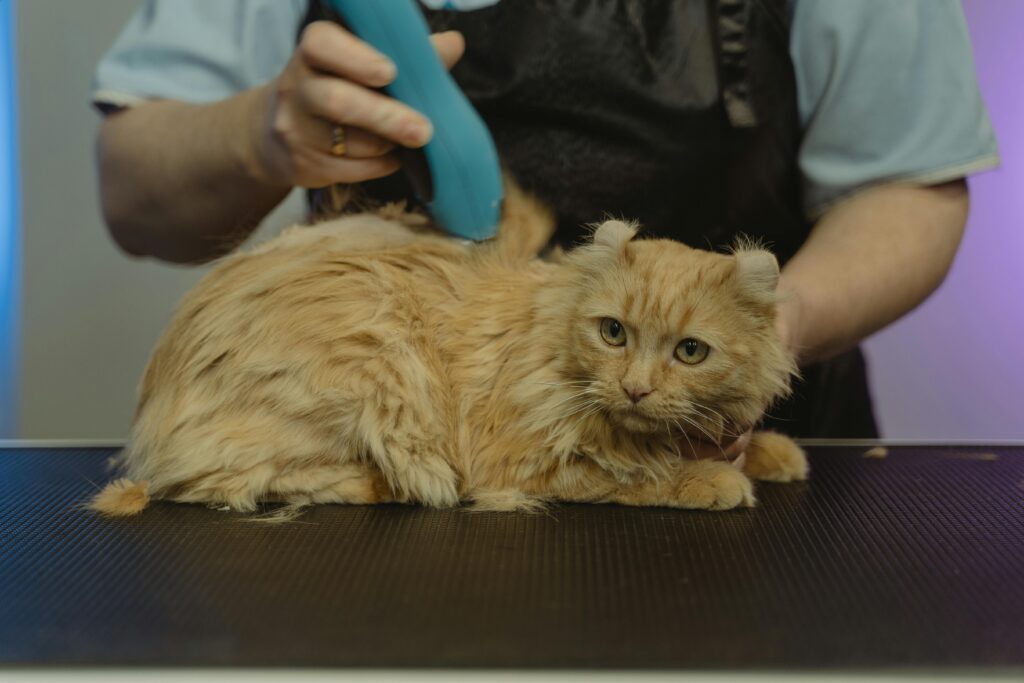
Even though cats groom themselves, they still benefit from regular grooming.
Brushing
Brushing helps remove loose hair, prevent matting, and reduce hairballs. Long-haired breeds like the Persian cat require daily brushing, while short-haired cats may only need weekly grooming.
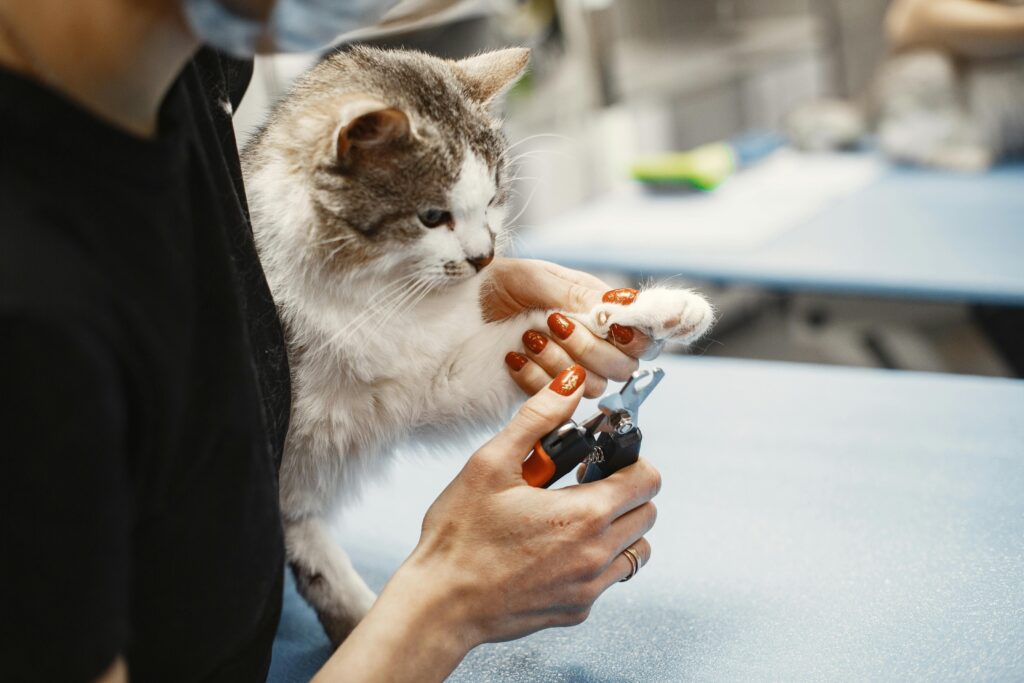
Nail Trimming
Cats’ claws grow continuously. Regular trimming prevents scratches and keeps claws healthy.
Dental Care
Dental health is often overlooked. Brushing your cat’s teeth or providing dental treats can help prevent gum disease and bad breath.
Veterinary Care
Regular veterinary visits are essential for maintaining a cat’s health.
Organizations such as the American Veterinary Medical Association recommend routine health checkups at least once per year.
Vaccinations
Common cat vaccines include protection against:
Rabies
Feline leukemia virus
Feline calicivirus
Vaccinations protect both pets and humans from certain diseases.
Spaying and Neutering
Spaying or neutering helps prevent unwanted litters and can reduce behavioral problems.
Parasite Prevention
Cats may be affected by fleas, ticks, or worms. Preventive medications recommended by veterinarians help keep cats healthy.
Exercise and Mental Stimulation
Cats need both physical activity and mental stimulation.
Interactive Play
Playing with your cat strengthens your bond and keeps them active. Toys such as feather wands, laser pointers, and puzzle feeders encourage natural hunting behaviors.
Climbing and Scratching
Cats love climbing and scratching. Providing scratching posts prevents damage to furniture while satisfying natural instincts.
Cat trees or shelves give cats a place to climb and observe their surroundings.
Indoor vs Outdoor Cats
In the United States, many veterinarians recommend keeping cats indoors for safety.
Benefits of Indoor Living
Indoor cats are protected from:
Traffic accidents
Predators
Diseases from other animals
Indoor cats also tend to live longer.
Outdoor Access
Some owners allow supervised outdoor time using harnesses or enclosed spaces like “catios,” which are secure outdoor patios designed for cats.
Understanding Cat Behavior
Understanding cat behavior helps owners build stronger relationships with their pets.
Common Behaviors
Scratching: Cats scratch to mark territory and maintain healthy claws.
Kneading: This behavior comes from kittenhood when cats kneaded their mother while nursing.
Zoomies: Sudden bursts of energy are normal, especially for young cats.
Managing Behavior Problems
If a cat shows unwanted behavior such as scratching furniture or aggression, solutions may include:
Providing alternative scratching surfaces
Increasing playtime
Using positive reinforcement
Punishment is not recommended because it can create fear and stress.
Traveling with Cats
Traveling with cats requires preparation.
Car Travel
Use a secure carrier to keep the cat safe. Bring familiar blankets or toys to reduce stress.
Air Travel
Many airlines in the United States allow cats in the cabin if they are in approved carriers.
Owners should always check airline policies and ensure that pets meet health requirements before traveling.
Emergency Preparedness
Responsible pet owners prepare for emergencies.
Emergency Kit for Cats
A cat emergency kit may include:
Food and water for several days
Medications
Medical records
Carrier and leash
Comfort items
Natural disasters such as hurricanes or wildfires can occur in different parts of the United States, so having a plan for pets is essential.
Senior Cat Care
As cats age, their needs change.
Senior cats may develop health issues such as arthritis, kidney disease, or dental problems. Regular veterinary checkups help detect these issues early.
Owners can support aging cats by:
Providing soft bedding
Keeping litter boxes easily accessible
Offering senior-specific nutrition
Despite aging, senior cats can remain loving companions for many years.
Cat Ownership Responsibilities
Owning a cat is a long-term commitment. Cats often live 12 to 18 years, and some live even longer.
Responsible ownership includes:
Providing daily care
Maintaining regular veterinary visits
Ensuring proper nutrition
Offering love and companionship
Many communities across the United States promote responsible pet ownership through education and animal welfare programs.
The Benefits of Having a Cat
Cats bring many positive benefits to their owners.
Emotional Support
Cats provide companionship and emotional comfort. Their presence can reduce feelings of loneliness and stress.
Stress Reduction
Studies suggest that interacting with pets may lower blood pressure and promote relaxation.
Entertainment
Cats are playful and curious, often providing endless entertainment with their funny behaviors and playful antics.
Conclusion
Cats are wonderful companions that bring joy, comfort, and entertainment to millions of households across the United States. However, owning a cat requires commitment, patience, and responsibility. By providing proper nutrition, regular veterinary care, mental stimulation, and a safe environment, cat owners can ensure their pets live healthy and happy lives.
A well-cared-for cat forms a strong bond with its owner and becomes a cherished member of the family. Whether adopting a playful kitten or welcoming a calm senior cat into your home, understanding proper cat care ensures a rewarding relationship that lasts for many years.