Hi I am Ratnesh,my hobbies are content writing on different topics with deep down explanations.
Decentralized Finance (DeFi) in the USA: A Complete Guide
Decentralized Finance, commonly known as DeFi, is one of the most disruptive innovations in the American financial ecosystem. It represents a new way of delivering financial services using blockchain technology, without relying on traditional intermediaries like banks, brokers, or centralized institutions. In the United States, DeFi is rapidly reshaping how people borrow, lend, trade, invest, and manage digital assets.
This article provides a comprehensive and unique overview of Decentralized Finance in the USA, covering its meaning, evolution, key components, major platforms, benefits, risks, regulations, and future outlook.
What is Decentralized Finance (DeFi)?
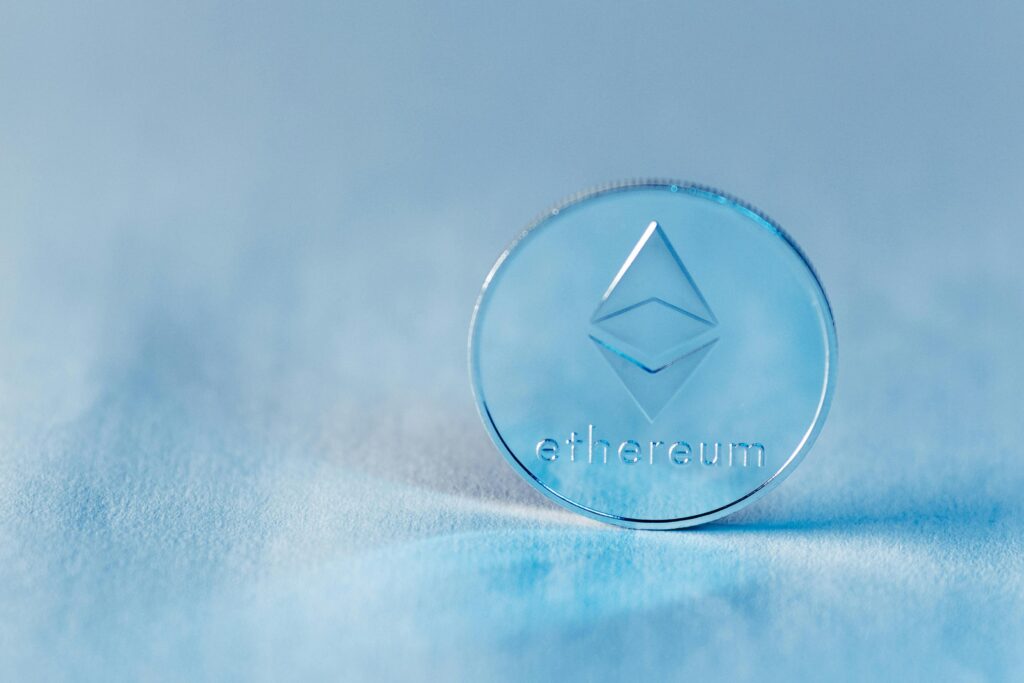
Decentralized Finance refers to a system of financial applications built on blockchain networks, primarily Ethereum, that aim to recreate and improve traditional financial services in a decentralized manner. Instead of relying on centralized authorities, DeFi platforms use smart contracts—self-executing code that runs automatically when predefined conditions are met.
In simple terms, DeFi allows users to:
Lend and borrow money
Trade cryptocurrencies
Earn interest
Insure assets
Access derivatives and stablecoins
—all without banks or financial institutions.
In the USA, DeFi has gained popularity among tech-savvy investors, developers, startups, and even institutional players seeking transparency, efficiency, and financial inclusion.
The Rise of DeFi in the United States
The United States has played a critical role in the growth of DeFi. Silicon Valley, New York, and other tech hubs have become centers for blockchain innovation. Many of the most influential DeFi protocols were created or funded by American developers and venture capital firms.
Several factors have contributed to DeFi’s growth in the USA:
High adoption of cryptocurrencies
Strong fintech ecosystem
Demand for alternative financial systems
Distrust in traditional banking after financial crises
Growth of Web3 and blockchain startups
Between 2020 and 2024, the total value locked (TVL) in DeFi platforms surged into the hundreds of billions of dollars globally, with a significant portion originating from US users and investors.
How DeFi Works
DeFi operates on blockchain networks using smart contracts. These contracts replace traditional intermediaries and automatically execute transactions.
The basic DeFi structure includes:
1. Blockchain
Most DeFi platforms in the USA are built on Ethereum, though other networks like Solana, Avalanche, Polygon, and Binance Smart Chain are also gaining popularity.
2. Smart Contracts
These are programs that manage lending, borrowing, trading, and rewards. Once deployed, they operate without human intervention.
3. Decentralized Applications (dApps)
Users interact with DeFi through web-based interfaces known as dApps, using crypto wallets like MetaMask, Coinbase Wallet, or Trust Wallet.
4. Liquidity Pools
Instead of traditional order books, DeFi uses pools of funds provided by users who earn fees or interest.
Key Components of DeFi in the USA
1. Decentralized Exchanges (DEXs)
DEXs allow users to trade cryptocurrencies without centralized platforms. Popular examples in the US DeFi ecosystem include:
Uniswap
SushiSwap
PancakeSwap
Curve Finance
These platforms use automated market makers (AMMs) to facilitate trades.
2. Lending and Borrowing Platforms
DeFi lending platforms allow users to lend their crypto and earn interest or borrow assets using collateral.
Popular platforms in the USA:
Aave
Compound
MakerDAO
Venus
Users earn higher yields compared to traditional savings accounts.
3. Stablecoins
Stablecoins are cryptocurrencies pegged to real-world assets like the US dollar.
Major US-based stablecoins:
USDC (USD Coin)
USDT (Tether)
DAI
BUSD
Stablecoins are essential for DeFi as they provide price stability.
4. Yield Farming and Staking
Yield farming involves earning rewards by providing liquidity. Staking allows users to lock assets and earn interest.
This feature attracts American investors seeking passive income from crypto.
5. DeFi Insurance
DeFi insurance platforms protect users from smart contract failures and hacks.
Examples:
Nexus Mutual
InsurAce
Etherisc
6. Derivatives and Synthetic Assets
DeFi enables trading of derivatives like futures, options, and tokenized real-world assets.
Platforms include:
Synthetix
dYdX
Perpetual Protocol
Benefits of DeFi in the USA
1. Financial Inclusion
DeFi provides access to financial services for people without bank accounts, especially freelancers, immigrants, and underbanked communities.
2. Transparency
All transactions are recorded on public blockchains, increasing trust and accountability.
3. Lower Costs
Without intermediaries, transaction fees are reduced.
4. 24/7 Accessibility
DeFi platforms operate continuously, unlike banks that follow business hours.
5. Full User Control
Users maintain ownership of their funds through private wallets.
6. Innovation and Customization
Developers can build new financial products rapidly.
Challenges and Risks of DeFi in the USA
Despite its advantages, DeFi carries significant risks.
1. Smart Contract Vulnerabilities
Coding errors can lead to massive financial losses.
2. Hacks and Security Breaches
DeFi platforms have suffered billion-dollar hacks.
3. Regulatory Uncertainty
US regulations for DeFi are still evolving.
4. Market Volatility
Crypto assets are highly volatile, increasing risk.
5. Scams and Rug Pulls
Fake projects exploit inexperienced investors.
6. Lack of Consumer Protection
Unlike banks, DeFi has no insurance like FDIC.
Regulatory Landscape of DeFi in the USA
The United States has one of the most complex regulatory environments for DeFi. Agencies such as:
SEC (Securities and Exchange Commission)
CFTC (Commodity Futures Trading Commission)
FinCEN (Financial Crimes Enforcement Network)
IRS (Internal Revenue Service)
are actively monitoring and regulating DeFi platforms.
Key Regulatory Issues
Securities Classification
Some DeFi tokens are considered securities.
KYC and AML Compliance
Authorities demand identity verification to prevent illegal activities.
Taxation
Crypto gains are taxable under US law.
Consumer Protection
Regulators aim to prevent fraud and market manipulation.
While regulations increase legitimacy, they also challenge DeFi’s core principle of decentralization.
Role of Major US Companies in DeFi
Several American companies and institutions are actively shaping DeFi:
Coinbase
Supports DeFi through wallet integration and Web3 tools.
ConsenSys
Develops Ethereum infrastructure and MetaMask.
Circle
Issuer of USDC stablecoin.
Andreessen Horowitz (a16z)
Major investor in DeFi startups.
PayPal
Exploring stablecoins and blockchain integration.
These companies are bridging the gap between traditional finance and decentralized finance.
DeFi vs Traditional Finance in the USA
Feature Traditional Finance DeFi
Intermediaries Banks, brokers None
Accessibility Limited Global
Transparency Low High
Fees High Low
Control Institution User
Speed Slow Instant
Innovation Slow Rapid
DeFi offers greater flexibility and innovation, but traditional finance provides stability and protection.
DeFi and Financial Inclusion in America
DeFi has the potential to solve many financial problems in the USA:
High remittance costs
Lack of credit access
Expensive loans
Limited investment opportunities
Immigrants, freelancers, and small businesses benefit significantly from DeFi.
DeFi and Institutional Adoption in the USA
Institutional interest in DeFi is growing rapidly. Banks, hedge funds, and asset managers are exploring DeFi for:
On-chain settlements
Tokenized assets
Cross-border payments
Yield generation
Examples:
JPMorgan blockchain projects
BlackRock tokenized funds
Fidelity crypto services
This trend indicates DeFi is moving from niche to mainstream.
The Future of DeFi in the USA
The future of DeFi in the United States looks promising but complex.
Key Trends
Hybrid Finance (CeDeFi)
Combining centralized and decentralized models.
Tokenization of Real Assets
Real estate, stocks, and bonds on blockchain.
Regulatory Clarity
Clear laws will encourage adoption.
AI and DeFi Integration
Smart financial automation.
Layer 2 Solutions
Faster and cheaper transactions.
DeFi for Payments
Replacing traditional payment processors.
Impact of DeFi on the US Economy
DeFi contributes to:
Job creation in tech
Startup growth
Investment opportunities
Global competitiveness
It positions the USA as a global leader in blockchain innovation.
Risks vs Rewards: Is DeFi Safe in the USA?
DeFi is not risk-free. Users must understand:
How wallets work
How smart contracts function
How to manage private keys
However, with proper education and security, DeFi offers unmatched opportunities.
How Americans Can Get Started with DeFi
Step 1: Choose a Wallet
MetaMask, Coinbase Wallet
Step 2: Buy Crypto
Use exchanges like Coinbase, Binance US, Kraken
Step 3: Connect to DeFi Platforms
Uniswap, Aave, Compound
Step 4: Start Small
Test with small amounts
Step 5: Learn Continuously
Stay updated on risks and trends
Advantages of DeFi for US Investors
Higher returns
Global access
Ownership of assets
Privacy
No minimum balances
Innovation exposure
DeFi attracts both retail and institutional investors.
Environmental Concerns and DeFi
DeFi built on energy-efficient blockchains is reducing carbon footprint. Ethereum’s transition to Proof of Stake significantly improved sustainability.
DeFi and Web3 in the USA
DeFi is a core part of Web3, which includes:
NFTs
Metaverse
DAOs
Blockchain gaming
Together, they are shaping the future of the internet economy.
Conclusion: The Future of Decentralized Finance in the USA
Decentralized Finance is revolutionizing the American financial system. It offers a transparent, inclusive, and efficient alternative to traditional finance. Although challenges such as regulation, security, and volatility remain, DeFi’s potential far outweighs its risks.
The USA stands at the forefront of this transformation, with innovative startups, strong institutional interest, and growing user adoption. As regulations become clearer and technology improves, DeFi is likely to become a permanent pillar of the US financial ecosystem.
In the coming years, DeFi will not replace traditional finance entirely—but it will reshape how Americans think about money, banking, and financial freedom.