Delta Air Lines and the Boeing 787: A Financial and Strategic Revolution in U.S. Aviation
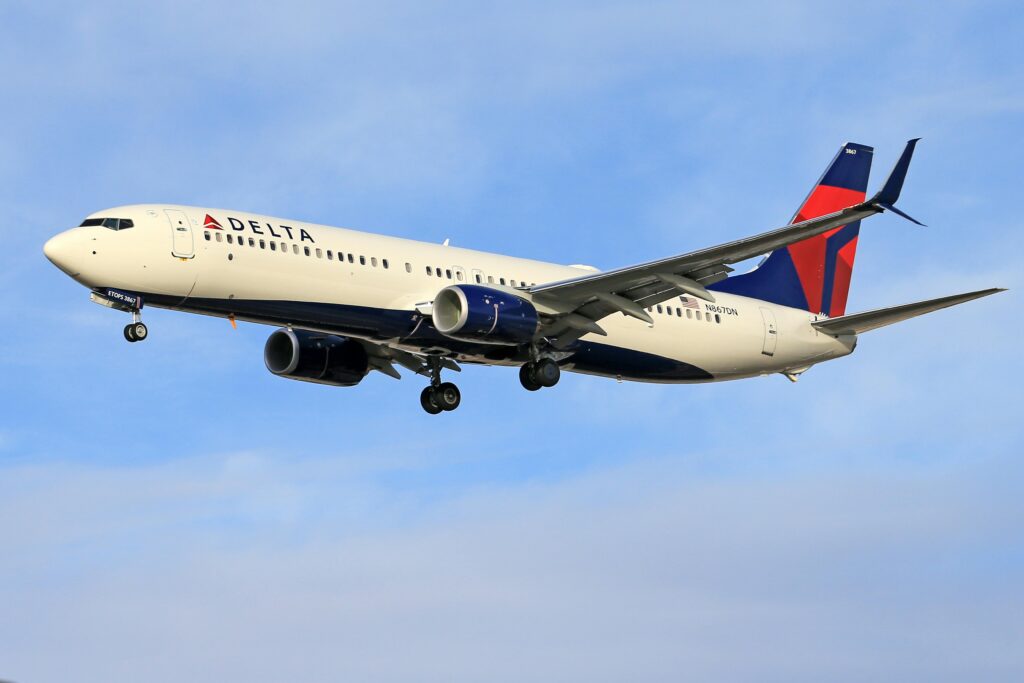
In early 2026, Delta Air Lines — one of the “Big Three” U.S. carriers — made a landmark commitment: its first direct order for Boeing 787 Dreamliner aircraft. The deal, involving 30 firm Boeing 787-10 widebodies with options for up to 30 more, represents not just a change in fleet mix but a strategic financial decision with implications across Delta’s business model, capital allocation, and competitive posture in the aviation industry.
This article explores why this matters, how it’s financed, and what it signals about Delta’s business strategy in the United States, blending recent developments with industry economics, fleet planning choices, and the broader context of airline finance.
1. The Boeing 787 and Delta: A New Era
1.1 What Delta Ordered
On January 13, 2026, Delta Air Lines confirmed it had entered into an aircraft purchase agreement with Boeing to acquire 30 Boeing 787-10 Dreamliners (with options for 30 more). Deliveries are scheduled to begin in 2031, marking Delta’s first real embrace of the 787 platform.
The Boeing 787 Dreamliner family — particularly the 787-10 variant — is recognized in the industry for combining fuel efficiency, advanced aerodynamics, and passenger comfort. It typically delivers improved economics over older wide-bodied jets, especially on transatlantic and mid-long international routes.
1.2 A Strategic Fleet Decision
Delta had previously relied heavily on Airbus wide-body jets, including the A330 and A350 models, for its long-haul international network. That made its turn toward Boeing a notable diversification of suppliers — a strategic hedge against supply chain risk, imbalance in ordering, and overreliance on a single manufacturer.
The new Dreamliners are expected to replace aging widebodies such as the Boeing 767 and potentially provide a modern, cost-efficient platform for growth in profitable premium international travel markets.
2. Not Just an Aircraft Purchase — a Financial Decision
2.1 Financing Big Jets: A Core Business Challenge
Commercial aircraft like the Boeing 787 are among the largest single capital expenditures an airline undertakes. A single 787-10 can be valued at well over $200 million at list prices (before discounts), making fleet expansion or renewal a multi-billion-dollar commitment.
Delta’s acquisition of the Dreamliners is no exception. Rather than paying upfront in cash, airlines generally finance aircraft using a mix of debt, leases, and pre-delivery payments over long terms. These arrangements preserve liquidity and spread out cash impact.
2.2 Delta’s Financing Strategy
According to filings and press releases, Delta has secured long-term financing for a substantial portion of the 787 purchase price. This means that rather than paying the entire cost at delivery, Delta will rely on credit, loans, and structured finance arrangements to fund the aircraft over its useful life.
This financing approach aligns with broader industry practice: paying over time lets airlines match the income generated by the aircraft (from ticket sales, cargo revenue, loyalty program benefits, etc.) to the capital cost of the aircraft.
3. How Airlines Finance Aircraft: Industry Mechanics
To better understand Delta’s financing, it’s important to look at how airlines typically handle large jet transactions:
3.1 Debt and Loans
Airlines routinely enter into secured loans, often tied directly to the aircraft being purchased. These loans can have maturities of 10–15 years or more. In some past examples (not specific to Delta’s 787 order), carriers have financed aircraft at fixed interest rates that can be significantly higher than the rates available to sovereign states or government-backed carriers.
This is due in part to ratings, credit risk, and lack of access to export credit agency support that some foreign carriers benefit from.
3.2 Finance Leases
Another common method is the finance lease, where the airline pays periodic lease payments over many years but assumes most of the risks and rewards of ownership. Finance leases allow airlines to count the asset on their balance sheet while shifting cash payments into predictable annual costs.
Leasing — both operating and finance — is particularly prevalent in airline capital planning because it offers flexibility and preserves liquidity.
3.3 Pre-Delivery Payments (PDPs)
For long-lead aircraft like the 787, airlines often make pre-delivery payments years before delivery. These PDPs are usually financed through credit lines or specific financing arrangements tied to the purchase agreement. Historically, Delta has used PDP financing mechanisms for aircraft orders, demonstrating familiarity with this approach.
4. Delta’s Broader Financial Landscape
4.1 Strong Performance Supports Investment
Delta entered the 2026 ordering cycle with a strong financial foundation. The airline posted record 2025 revenue exceeding $60 billion, with robust income and free cash flow performance, a healthy debt reduction trend, and expanding high-margin revenue from co-brand loyalty partnerships.
This financial health strengthens Delta’s credit profile and gives it leverage when negotiating financing terms for large purchases like the 787.
4.2 Balance Sheet Management
Delta has also focused on reducing net debt, including payments on existing debt and finance lease obligations, while maintaining strong liquidity. Its average interest rates and mix of fixed vs. variable debt show disciplined capital management — crucial when committing to future obligations like the 787 deliveries.
5. Business Impacts: Strategic and Competitive
5.1 Fleet Modernization
The Boeing 787’s fuel efficiency — roughly 25% better per seat than older widebodies — directly translates to lower operating costs. For long-haul international flights, where fuel can be the largest single line item, this efficiency can make or break profitability on certain routes.
Delta’s financial forecast for 2026 already anticipates earnings growth driven by premium travel demand, underscoring that aircraft with lower per-seat costs and enhanced passenger experiences help drive profitability.
5.2 Premium Revenue Focus
Delta has emphasized revenue streams that are higher margin than basic economy fares — including premium cabins, corporate travel, and loyalty programs. Widebody aircraft like the 787 with strong premium seating appeal fit this strategy well, as they allow airlines to capture more yield on long-haul international segments.
In essence, the 787 order supports a broader business model shift toward higher revenue per available seat mile (RASM) on international routes.
5.3 Competitive Positioning
Delta’s decision to order the 787 also pressures its major U.S. competitors — American Airlines and United Airlines — who already operate the Dreamliner in significant numbers. Having a modern widebody fleet helps Delta compete for global traffic, especially across the Atlantic and South America.
By diversifying away from an Airbus-centric widebody lineup, Delta gains supplier flexibility and hedges against production delays or single-source risks. This reflects a nuanced understanding of fleet economics where flexibility can be as valuable as upfront aircraft performance.
6. Supplier and Industry Ramifications
6.1 Implications for Boeing
Delta’s order is also a confidence vote for Boeing, which has faced production challenges and reputation issues in recent years. The 787 was Boeing’s flagship widebody, and renewed airline demand signals that the market still values the aircraft’s economics and capabilities.
In broader aerospace finance terms, orders like Delta’s help support the U.S. aerospace industrial base, including jobs tied to production, supply chains, and after-sales support.
6.2 Supply Chain and Engine Deals
Alongside the aircraft purchase, Delta has selected GE Aerospace’s GEnx engines to power its 787-10 fleet. While engine contracts include their own service and finance components, these arrangements often involve long-term service agreements that tie into the airline’s maintenance and operational budgets.
7. Risks and Challenges Ahead
7.1 Execution Risk
Large, multibillion-dollar aircraft purchases inevitably come with execution risk — not just in financing but in integration. Airlines must train crews, adapt maintenance infrastructure, and adjust schedules to maximize the return on these expensive assets.
7.2 Fuel Price Volatility
Although the 787 is more fuel-efficient, airlines are not immune to fuel price swings. Unexpected spikes in energy prices can compress margins, making the timing and financing of new aircraft even more crucial.
7.3 Economic Environment
Global economic trends — including exchange rates, corporate travel demand, and consumer spending — directly influence airline revenues. Delta’s strategic focus on premium travel helps offset economic headwinds, but downturns can still affect load factors and profitability.
8. The Future of Delta’s 787 Finance and Fleet Growth
Delta’s Dreamliner order — backed by disciplined financing and strategic intent — sets the stage for a new era of growth. Over the coming decade, as deliveries begin in 2031, these aircraft will become pivotal assets in Delta’s international network.
In financial terms, the deal illustrates how airlines balance capital commitments with operational needs, growth goals, and market competition. Delta’s approach — combining long-term debt, finance arrangements, and integration with its broader business strategy — showcases the sophistication needed to thrive in the modern aviation landscape.
Conclusion
Delta Air Lines’ Boeing 787 Dreamliner acquisition is more than just a headline order; it’s a financial and strategic move that reflects deep planning, risk management, and competitive positioning. By financing these jets through well-structured arrangements, Delta can modernize its fleet, lower operating costs, and capture more high-margin revenue — all while maintaining financial stability.
As the U.S. airline industry continues to evolve in the face of economic pressures, global competition, and changing travel behavior, decisions like Delta’s will shape not only individual airlines’ futures but also the broader dynamics of commercial aviation finance and fleet strategy.
If you’d like, I can also provide charts, timelines, or a simplified executive summary tailored for business presentations or investment analysis.