Hi, I am Ratnesh Kumar. My hobby is writing about dental implants in the USA.
Dental implants in the United States have become one of the most advanced and reliable solutions for replacing missing teeth. Over the past few decades, this field has seen rapid innovation, combining cutting-edge technology, skilled professionals, and strict regulatory standards to ensure safe and long-lasting results. Whether for cosmetic enhancement or functional restoration, dental implants have transformed modern dentistry and improved the quality of life for millions of Americans.
Introduction to Dental Implants
A dental implant is essentially a small titanium post that is surgically inserted into the jawbone to act as a replacement for a natural tooth root. Once the implant integrates with the bone—a process known as osseointegration—it provides a stable foundation for artificial teeth such as crowns, bridges, or dentures.
Unlike traditional dentures or bridges, dental implants are permanent and mimic the natural structure of teeth. They are designed to look, feel, and function like real teeth, allowing patients to eat, speak, and smile with confidence.
History and Development in the USA
The use of dental implants dates back several decades, but their popularity in the United States surged after the discovery of osseointegration by Swedish researcher Per-Ingvar Brånemark. His research laid the foundation for modern implant dentistry.
In the U.S., dental implant procedures gained widespread acceptance in the 1980s and 1990s. Today, they are considered the gold standard for tooth replacement, supported by organizations like the American Dental Association and regulated by the Food and Drug Administration.
Types of Dental Implants
There are several types of dental implants used in the United States, depending on the patient’s needs and oral health condition.
1. Endosteal Implants
These are the most common type. They are placed directly into the jawbone and typically made of titanium. Once healed, a second surgery connects a post to the implant.
2. Subperiosteal Implants
These are placed under the gum but above the jawbone. They are often used for patients who do not have enough healthy jawbone and cannot undergo bone augmentation.
3. Zygomatic Implants
These are less common and used in complex cases where the jawbone is insufficient. They are anchored in the cheekbone instead.
The Dental Implant Procedure
The dental implant process in the United States is highly structured and typically involves multiple stages:
Initial Consultation
The dentist or oral surgeon evaluates the patient’s oral health using X-rays or 3D imaging. Medical history and bone density are assessed to determine suitability.
Implant Placement
The implant is surgically inserted into the jawbone under local anesthesia or sedation. Healing usually takes several months as the implant fuses with the bone.
Abutment Placement
Once healing is complete, an abutment (connector) is attached to the implant.
Crown Placement
A custom-made crown is placed on top, completing the restoration.
Benefits of Dental Implants
Dental implants offer numerous advantages compared to traditional tooth replacement methods:
- Durability: Implants can last 20 years or more with proper care.
- Natural Appearance: They closely resemble natural teeth.
- Improved Speech: Unlike dentures, implants do not slip.
- Better Chewing Ability: Patients can eat a wide variety of foods.
- Bone Preservation: Implants prevent bone loss in the jaw.
- Convenience: No need for adhesives or removal.
Cost of Dental Implants in the USA
The cost of dental implants in the United States can vary widely depending on factors such as location, dentist expertise, and complexity of the procedure. On average:
- Single implant: $3,000 to $5,000
- Full mouth implants: $20,000 to $50,000 or more
Insurance coverage for dental implants varies. While some plans cover part of the procedure, many consider it a cosmetic treatment. However, financing options and payment plans are commonly available.
Technology and Innovation
The United States is a leader in dental technology, and implant dentistry has benefited greatly from these advancements.
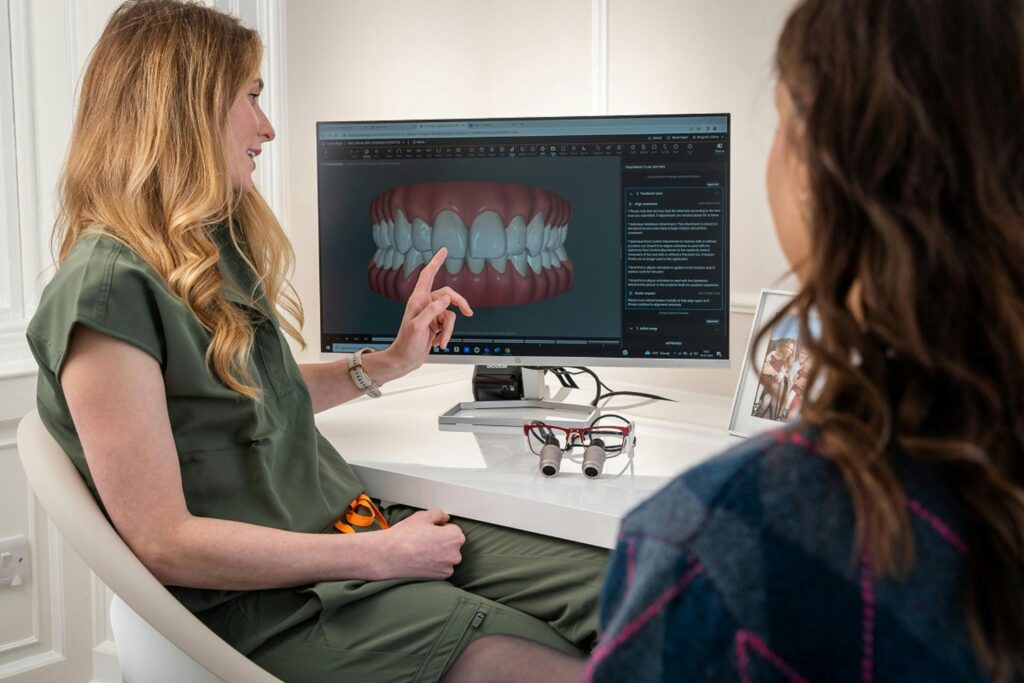
3D Imaging and Digital Planning
Dentists use advanced imaging tools to plan implant placement with high precision, reducing risks and improving outcomes.
CAD/CAM Technology
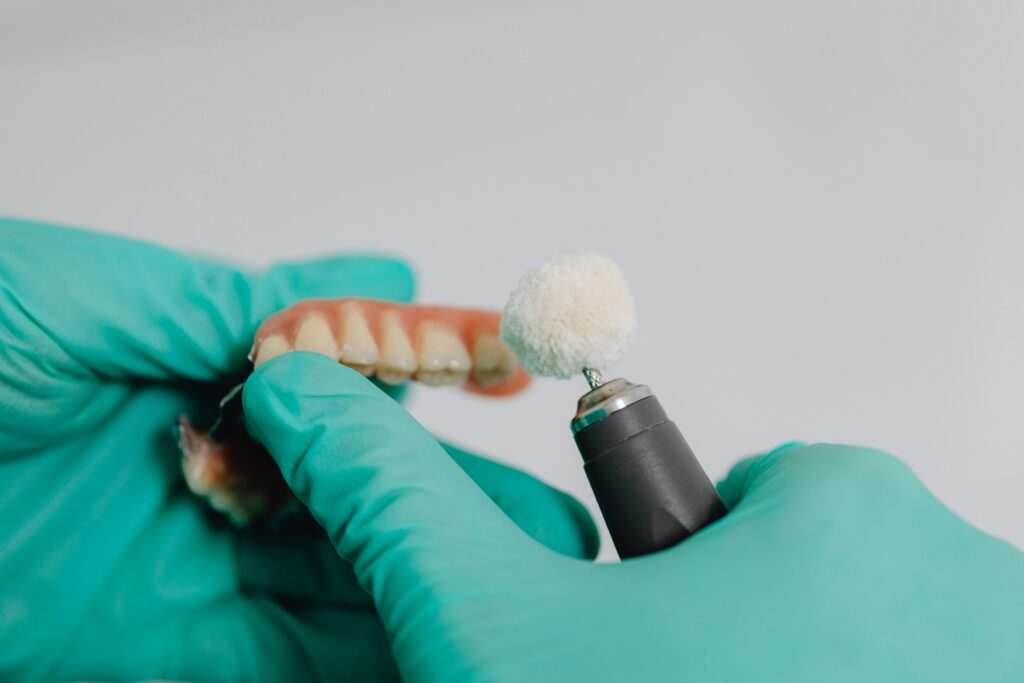
Computer-aided design and manufacturing allow for the creation of highly accurate crowns and prosthetics.
Laser Dentistry
Laser technology is sometimes used to enhance precision and reduce recovery time.
Guided Implant Surgery
This technique uses computer-generated guides to ensure accurate implant placement.
Materials Used in Implants
Most dental implants in the U.S. are made from titanium due to its strength and biocompatibility. Another emerging material is zirconia, which is metal-free and preferred by some patients for aesthetic reasons.
Risks and Complications
Although dental implants have a high success rate (over 95%), there are potential risks:
- Infection at the implant site
- Nerve damage
- Sinus problems (for upper jaw implants)
- Implant failure due to poor osseointegration
Proper planning, experienced professionals, and good oral hygiene significantly reduce these risks.
Who is a Candidate for Dental Implants?
Ideal candidates for dental implants include individuals who:
- Have one or more missing teeth
- Have healthy gums
- Possess sufficient jawbone density
- Do not have uncontrolled chronic diseases
- Are non-smokers or willing to quit
Patients with bone loss may still qualify after procedures like bone grafting.
Dental Implant Specialists in the USA
Dental implants are typically performed by:
- Oral and maxillofacial surgeons
- Periodontists
- Prosthodontists
- General dentists with specialized training
These professionals often work together to ensure the best outcomes for patients.
Recovery and Aftercare
Recovery after dental implant surgery varies but generally includes:
- Mild swelling and discomfort for a few days
- Soft diet during initial healing
- Regular follow-up visits
Proper oral hygiene is crucial. Patients should brush, floss, and visit their dentist regularly to maintain implant health.
Dental Tourism vs USA Treatment
Some patients consider traveling abroad for cheaper dental implants. However, treatment in the United States offers several advantages:
- High safety standards regulated by the Food and Drug Administration
- Access to advanced technology
- Highly trained professionals
- Better follow-up care
While dental tourism may be cheaper, it often comes with risks such as inconsistent quality and limited post-procedure support.
Future of Dental Implants in the USA
The future of dental implants in the United States looks promising, with ongoing research and innovation. Some emerging trends include:
- Mini Implants: Smaller and less invasive options
- Same-Day Implants: Immediate placement and restoration
- Stem Cell Research: Potential for natural tooth regeneration
- AI and Robotics: Enhanced precision in implant placement
These advancements aim to make procedures faster, safer, and more accessible.
Dental Implants vs Other Options
Implants vs Dentures
Dentures are removable and less stable, while implants are fixed and more natural.
Implants vs Bridges
Bridges require altering adjacent teeth, whereas implants do not affect surrounding teeth.
Popularity in the USA
Dental implants are increasingly popular in the United States due to:
- Aging population
- Rising awareness of oral health
- Desire for cosmetic improvements
- Technological advancements
Millions of Americans undergo implant procedures each year, making it a mainstream dental solution.
Role of Insurance and Financing
Although dental implants can be expensive, many clinics offer flexible payment plans. Some insurance providers partially cover the procedure, especially if it is medically necessary.
Patients are encouraged to check with their insurance providers and explore financing options to make treatment more affordable.
Maintenance of Dental Implants
Maintaining dental implants is similar to caring for natural teeth:
- Brush twice daily
- Floss regularly
- Avoid hard foods
- Visit the dentist for routine checkups
Proper care ensures the longevity of implants and prevents complications.
Psychological and Social Benefits
Beyond physical benefits, dental implants have significant psychological and social advantages:
- Improved self-confidence
- Better social interactions
- Enhanced professional appearance
- Reduced anxiety about tooth loss
Conclusion
Dental implants in the United States represent a major advancement in modern dentistry. With high success rates, natural appearance, and long-term benefits, they have become the preferred choice for tooth replacement.
Supported by organizations like the American Dental Association and regulated by the Food and Drug Administration, the dental implant industry in the U.S. maintains high standards of safety and quality.
As technology continues to evolve, dental implants are expected to become even more efficient, affordable, and accessible, helping millions of people restore their smiles and improve their quality of life.