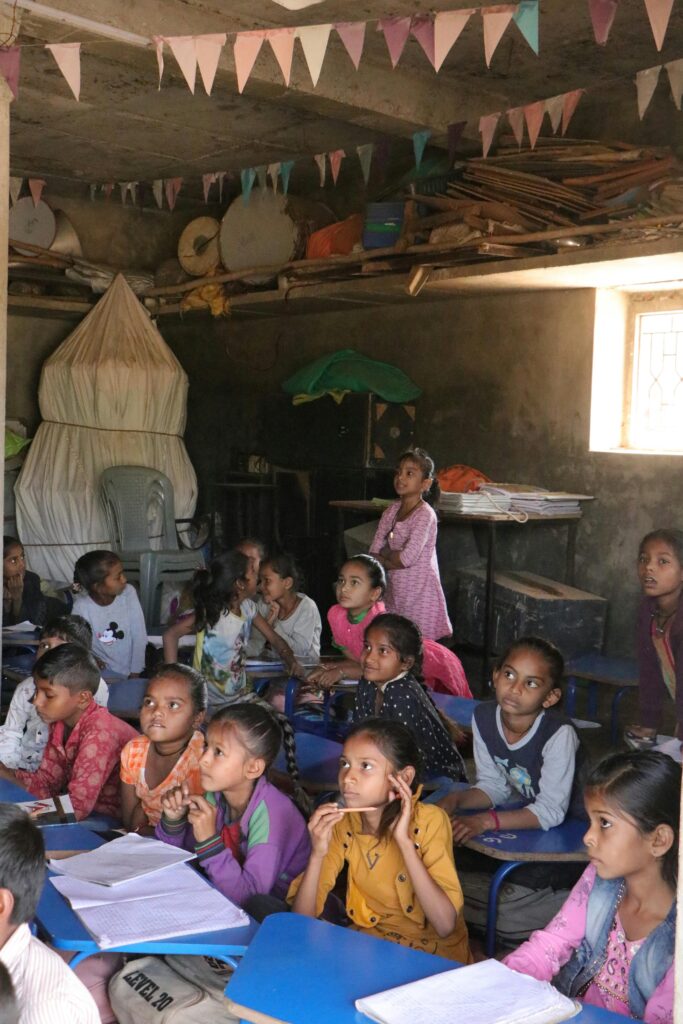
Education System of the United States Compared to India
Education plays a central role in shaping the future of a nation. Both the United States and India have large and influential education systems, but they differ significantly in structure, teaching methods, curriculum design, and educational outcomes. The education system in the United States is often recognized for its flexibility, research orientation, and student-centered learning approach, while the system in India is known for its strong theoretical foundation, competitive examinations, and large-scale public education network. Understanding the similarities and differences between these two systems provides valuable insight into how education can shape economic development, innovation, and social mobility.
1. Overview of the Education System in the United States
The education system in the United States is decentralized and primarily governed by individual states rather than the federal government. This means that each state has some autonomy in designing its curriculum, policies, and educational standards.
The U.S. education structure typically includes the following stages:
Early Childhood Education (Pre-School)
Elementary School (Grades 1–5)
Middle School (Grades 6–8)
High School (Grades 9–12)
Higher Education (College and University)
Most children in the United States begin schooling around the age of five or six. Elementary education focuses on foundational subjects such as reading, writing, mathematics, science, and social studies. As students move into middle school and high school, they are introduced to a wider range of subjects including arts, technology, foreign languages, and vocational skills.
One of the most notable characteristics of the American education system is flexibility. Students can choose elective subjects and customize their learning paths. This allows them to explore their interests and talents more effectively.
Higher education in the United States is particularly renowned worldwide. Universities such as Harvard University, Stanford University, and Massachusetts Institute of Technology are considered among the best institutions globally. These universities attract students from all over the world and contribute significantly to scientific research, innovation, and entrepreneurship.
2. Overview of the Education System in India
The education system in India is one of the largest in the world due to the country’s massive population. It is governed by both the central government and state governments, with policies largely guided by the Ministry of Education.
The structure of education in India generally follows this pattern:
Pre-Primary Education (Nursery, Kindergarten)
Primary Education (Classes 1–5)
Upper Primary or Middle School (Classes 6–8)
Secondary Education (Classes 9–10)
Senior Secondary Education (Classes 11–12)
Higher Education (Universities and Colleges)
A significant milestone in Indian education was the implementation of the National Education Policy 2020, which introduced reforms aimed at improving quality, flexibility, and access to education. The policy emphasizes holistic learning, multidisciplinary education, and the integration of technology into classrooms.
India also has highly competitive entrance examinations for admission into prestigious institutions such as the Indian Institutes of Technology and All India Institute of Medical Sciences. These institutions are known for producing highly skilled professionals who contribute to global industries and research.
3. Governance and Administration
United States
The governance of education in the United States involves multiple levels:
Federal Government
State Governments
Local School Districts
The U.S. Department of Education sets national policies and provides funding, but individual states design their own curricula and educational standards. Local school boards play an important role in managing schools, hiring teachers, and implementing educational programs.
India
In India, education is managed jointly by the central government and state governments. Key organizations responsible for education include:
Central Board of Secondary Education
National Council of Educational Research and Training
State education boards
Unlike the United States, India has a more centralized curriculum structure, particularly in national boards like CBSE. This leads to greater uniformity but sometimes reduces flexibility.
4. Curriculum and Teaching Methods
One of the most noticeable differences between the U.S. and Indian education systems lies in their teaching approaches.
United States Approach
The American education system emphasizes:
Critical thinking
Creativity
Problem-solving
Project-based learning
Classroom discussions
Students are encouraged to ask questions, participate in debates, and develop independent opinions. Teachers act more as facilitators than authoritative figures.
India’s Approach
Traditional education in India has historically focused on:
Memorization
Exam preparation
Theoretical knowledge
However, reforms such as the National Education Policy 2020 aim to shift the focus toward experiential learning, skill development, and practical understanding.
5. Assessment and Examination System
United States
The U.S. evaluation system is continuous and diverse. Students are assessed through:
Class participation
Homework assignments
Projects
Quizzes and tests
Final exams
Standardized tests such as the SAT and ACT are used for college admissions.
India
India has traditionally relied heavily on high-stakes board examinations conducted in Classes 10 and 12. These exams determine eligibility for higher education and career opportunities.
For engineering and medical admissions, students must pass highly competitive exams such as:
Joint Entrance Examination
National Eligibility cum Entrance Test
These exams create intense competition among students, sometimes leading to stress and pressure.
6. Higher Education Comparison
Higher education in both countries plays a crucial role in economic development and innovation.
United States Universities
American universities emphasize:
Research and innovation
Interdisciplinary studies
Industry collaboration
Top institutions such as Harvard University and Stanford University receive billions of dollars in research funding and maintain strong links with industries.
Indian Universities
India has a rapidly expanding higher education sector. Institutions like the Indian Institutes of Technology and Indian Institute of Science are globally respected for engineering and scientific research.
However, many universities still face challenges such as limited funding, outdated infrastructure, and large student populations.
7. Cost of Education
United States
Education in the United States can be expensive, particularly at private universities. Tuition fees can reach tens of thousands of dollars per year. However, students often receive financial assistance through scholarships, grants, and student loans.
India
Education in India is generally more affordable, especially in government schools and public universities. However, private schools and coaching institutes can be costly for many families.
8. Technology and Innovation in Education
The United States has been a leader in educational technology. Online learning platforms, digital classrooms, and research tools are widely used. Universities collaborate with technology companies such as Google and Microsoft to develop innovative learning environments.
India is also rapidly adopting technology in education. Government initiatives such as digital learning platforms and online courses are helping expand access to education, particularly in rural areas.
9. Student Life and Extracurricular Activities
United States
American schools strongly emphasize extracurricular activities. Students participate in sports, arts, music, and community service. School teams often compete in leagues such as the National Collegiate Athletic Association.
These activities help students develop leadership, teamwork, and social skills.
India
Extracurricular activities exist in Indian schools but often receive less emphasis due to the focus on academic performance and competitive exams.
However, many schools are now encouraging participation in sports, arts, and cultural activities to promote holistic development.
10. Challenges in Both Education Systems
United States Challenges
The American education system faces several challenges, including:
Rising tuition fees
Student loan debt
Educational inequality between districts
India Challenges
India’s education system also faces major challenges such as:
Large class sizes
Shortage of trained teachers
Infrastructure gaps in rural schools
Despite these challenges, both countries are continuously working to improve their education systems.
11. Global Influence and Student Mobility
The United States remains one of the most popular destinations for international students due to the global reputation of its universities. Many Indian students travel to the U.S. for higher education and research opportunities.
At the same time, India is emerging as a global education hub with growing universities, research institutions, and international collaborations.
Conclusion
The education systems of the United States and India reflect the cultural, economic, and social priorities of their respective societies. The American system emphasizes flexibility, innovation, and research, while the Indian system has traditionally focused on rigorous academics and competitive examinations.
In recent years, both countries have been learning from each other. The United States is exploring ways to reduce education costs and improve accessibility, while India is introducing reforms to promote creativity, interdisciplinary learning, and digital education.
Ultimately, a balanced education system that combines theoretical knowledge, practical skills, creativity, and ethical values will be essential for preparing students to succeed in an increasingly interconnected and technology-driven world.