write unique content 3000 words about electrict bike in usa
Electric bikes, commonly known as e-bikes, are rapidly transforming transportation across the United States. Over the past decade, electric bicycles have evolved from niche products into mainstream mobility solutions embraced by commuters, fitness enthusiasts, delivery workers, and recreational riders. As cities grow more crowded and concerns about climate change intensify, electric bikes are emerging as a smart, efficient, and environmentally friendly alternative to traditional vehicles.
The Rise of Electric Bikes in the USA
The popularity of electric bikes in the United States has surged dramatically since 2020. The COVID-19 pandemic played a major role in accelerating adoption, as people searched for socially distanced transportation options and outdoor recreation. With public transit ridership declining and car traffic increasing, many Americans turned to e-bikes as a flexible, affordable, and enjoyable solution.
Major cities such as New York City, Los Angeles, San Francisco, and Chicago have seen exponential growth in e-bike usage. Urban infrastructure improvements, including bike lanes and charging stations, have further encouraged adoption. Meanwhile, suburban and rural areas are also embracing electric bikes for recreation and short-distance commuting.
What Is an Electric Bike?
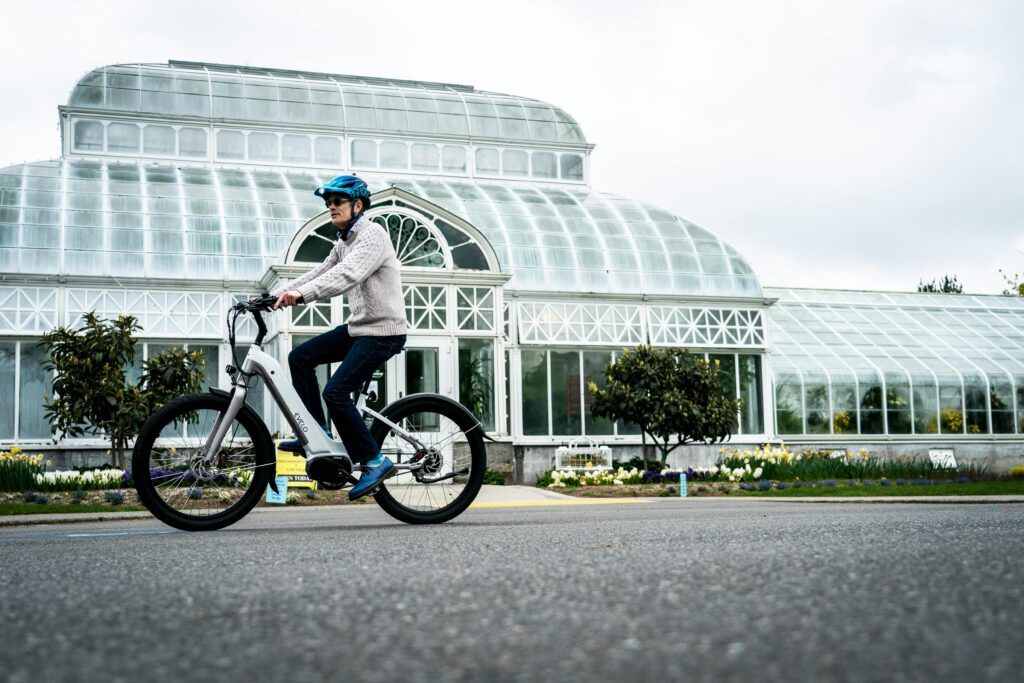
An electric bike is a bicycle equipped with an electric motor that assists the rider’s pedaling. Most e-bikes use rechargeable lithium-ion batteries and offer varying levels of pedal assistance. Some models include throttle-only modes, allowing riders to move without pedaling.
In the United States, electric bikes are generally classified into three categories:
- Class 1 – Pedal-assist only, with a maximum speed of 20 mph.
- Class 2 – Throttle-assisted, also limited to 20 mph.
- Class 3 – Pedal-assist with speeds up to 28 mph.
These classifications help regulate where e-bikes can be used, such as on bike paths or roadways.
Environmental Benefits
One of the biggest advantages of electric bikes is their positive environmental impact. Compared to gasoline-powered vehicles, e-bikes produce significantly lower carbon emissions. Even when accounting for battery production and electricity usage, their environmental footprint remains minimal.
In cities with heavy traffic congestion, replacing short car trips with electric bike rides can reduce air pollution and greenhouse gas emissions. States like California are actively promoting e-bike adoption through incentive programs and rebates to support clean transportation initiatives.
Health and Fitness Advantages
Although electric bikes provide motor assistance, they still offer substantial health benefits. Riders engage in moderate physical activity while enjoying reduced strain compared to traditional cycling. For older adults or individuals with physical limitations, e-bikes make cycling accessible and enjoyable.
Studies have shown that e-bike users often ride longer distances and more frequently than traditional cyclists. This increased activity contributes to cardiovascular health, improved mental well-being, and reduced stress.
Cost Savings and Economic Impact
Electric bikes are far more affordable than cars. While high-quality models can range from $1,000 to $5,000, they require minimal maintenance and no fuel expenses. Charging an e-bike battery costs only a few cents per day.
In addition, the electric bike industry has created thousands of jobs across the United States. Companies like Rad Power Bikes, Trek Bicycle Corporation, and Specialized Bicycle Components have expanded their electric product lines significantly. Local bike shops have also benefited from increased sales, repairs, and servicing demand.
Urban Mobility Revolution
Electric bikes are reshaping urban mobility in American cities. Many commuters now prefer e-bikes for trips under 10 miles, avoiding traffic jams and parking hassles. Delivery services have also integrated e-bikes into their fleets, improving efficiency and reducing costs.
Bike-sharing programs featuring electric models have expanded in cities like Washington, D.C. and Seattle. These programs allow residents and tourists to rent e-bikes for short trips, promoting sustainable travel.
Technological Advancements
Electric bike technology continues to improve rapidly. Modern e-bikes feature advanced battery management systems, integrated displays, smartphone connectivity, GPS tracking, and anti-theft systems. Some models even include regenerative braking systems.
Leading global brands such as Bosch and Shimano provide high-performance motors and drive systems used by many American manufacturers.
Battery range has improved significantly, with many models offering 40 to 80 miles per charge depending on terrain and assist level.
Government Support and Incentives
Federal, state, and local governments across the United States are beginning to support electric bike adoption. Proposed tax credits and rebate programs aim to make e-bikes more affordable for middle- and low-income households.
For example, Colorado launched an e-bike rebate program that offers residents financial incentives when purchasing eligible electric bikes. Such initiatives help accelerate the transition to cleaner transportation options.
Challenges and Concerns
Despite rapid growth, electric bikes face certain challenges in the United States. Safety remains a key concern, particularly in cities lacking protected bike lanes. Increased speed capabilities require proper regulations and rider education.
Battery disposal and recycling are also important environmental considerations. Manufacturers are investing in improved recycling programs to address these concerns responsibly.
Additionally, some critics argue that e-bikes blur the line between bicycles and motor vehicles, creating confusion about traffic laws and usage rules.
E-Bikes and Rural America
While urban centers dominate discussions about electric bikes, rural America is also experiencing growth. In areas where public transportation is limited, e-bikes offer affordable mobility solutions for short-distance travel.
Farmers, outdoor enthusiasts, and hunters use electric bikes to access remote areas efficiently. Electric mountain bikes (e-MTBs) are especially popular in scenic regions such as Utah and Montana.
Future of Electric Bikes in the USA
The future of electric bikes in the United States looks promising. Industry analysts predict continued growth as battery technology improves and prices become more competitive. Urban planning increasingly incorporates bike-friendly infrastructure, supporting long-term expansion.
Major automotive companies are also investing in micro-mobility solutions, recognizing the potential of e-bikes in reducing urban congestion. Integration with public transportation systems may further enhance convenience.
As Americans become more environmentally conscious and seek healthier lifestyles, electric bikes are likely to become a permanent fixture in daily transportation.
Social and Cultural Impact
Electric bikes are changing American culture in subtle but meaningful ways. Families ride together more often, commuters enjoy stress-free travel, and communities are becoming more bike-friendly.
College campuses across the country have adopted e-bikes as primary transportation options. Students appreciate their affordability and efficiency.
Moreover, e-bikes promote inclusivity by enabling people of varying fitness levels to participate in cycling communities.
Safety and Infrastructure Development
Investment in safe cycling infrastructure is critical to sustaining electric bike growth. Protected bike lanes, traffic-calming measures, and public charging stations are becoming more common.
Cities such as Portland are recognized for their bike-friendly policies and infrastructure development, serving as models for other municipalities.
Helmet use, proper lighting, and adherence to traffic laws remain essential for safe riding practices.
E-Bikes vs. Traditional Bikes
Traditional bicycles continue to hold strong appeal for fitness enthusiasts and purists. However, electric bikes offer distinct advantages in terms of convenience and accessibility.
For individuals facing long commutes, hilly terrain, or time constraints, e-bikes provide practical solutions without eliminating the cycling experience.
Both options contribute positively to sustainable transportation efforts in the United States.
Conclusion
Electric bikes are redefining transportation in the United States. They offer environmental benefits, economic savings, improved health outcomes, and technological innovation. With growing government support, expanding infrastructure, and rising consumer interest, e-bikes are poised to play a major role in America’s mobility future.
From bustling cities like Boston to scenic trails across the Midwest, electric bikes are becoming an essential part of everyday life. As technology advances and awareness increases, the electric bike revolution in the USA is only just beginning.