Hi, I am Ratnesh , my hobby is content writing about Electric Helicopters and its wonderful life.I hope that reader can enjoy to read this articles .Many Many thanks for reader , kindly support and subscribe me.
Electric Helicopters in the United States: The Future of Sustainable Vertical Flight
Introduction
The aviation industry is undergoing a technological transformation as companies and researchers search for cleaner, quieter, and more efficient ways to transport people and goods. One of the most exciting innovations in this field is the electric helicopter. Unlike traditional helicopters that rely on fossil-fuel-powered turbine or piston engines, electric helicopters use battery-powered electric motors to generate lift and propulsion. This shift represents a major step toward sustainable aviation and reduced environmental impact.
In the United States, the development of electric helicopters is accelerating due to advancements in battery technology, government support for clean transportation, and increasing demand for urban air mobility. Electric helicopters promise to reduce noise pollution, eliminate harmful emissions, and significantly lower operating costs. As cities become more congested and transportation systems struggle to keep up with growing populations, electric vertical takeoff and landing aircraft (eVTOL) could provide a practical solution for short-distance air travel.
Companies such as Joby Aviation, Beta Technologies, and Archer Aviation are leading the development of electric air vehicles in the United States. Meanwhile, regulatory authorities like the Federal Aviation Administration are working to establish safety standards and certification processes for these innovative aircraft.
This article explores the concept of electric helicopters, their technology, benefits, challenges, and the future of electric aviation in the United States.
What Is an Electric Helicopter?
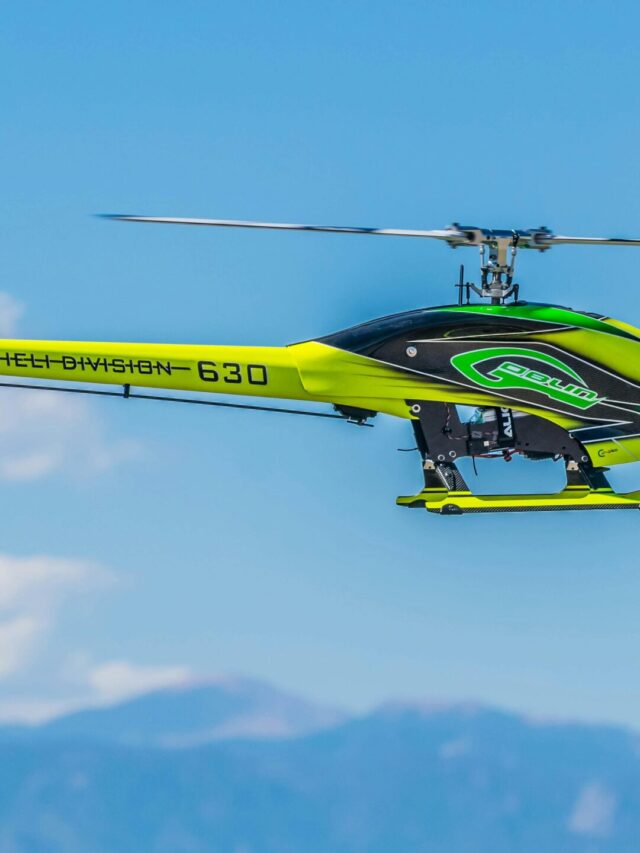
An electric helicopter is an aircraft that uses electric motors instead of traditional combustion engines to drive its rotor blades. The electric motors are powered by rechargeable batteries or hybrid electric systems. These aircraft maintain the vertical takeoff and landing capabilities of conventional helicopters while offering improved efficiency and lower environmental impact.
Electric helicopters fall into several categories:
Fully electric helicopters powered entirely by batteries
Hybrid-electric helicopters that combine batteries with fuel-powered generators
Electric vertical takeoff and landing aircraft (eVTOL), which often resemble helicopters but use multiple rotors
Many modern designs incorporate multiple small rotors rather than a single large rotor, improving stability, safety, and efficiency.
Development of Electric Aviation in the United States
The United States has become a global leader in electric aviation innovation. Over the past decade, investment in electric flight technology has grown rapidly. Venture capital firms, aerospace companies, and technology investors are funding research into new aircraft designs and battery systems.
Several American startups have emerged as pioneers in the electric helicopter and eVTOL industry.
joby Aviation
Joby Aviation is one of the most advanced electric air taxi companies in the United States. The company has developed a fully electric aircraft capable of vertical takeoff and landing, designed primarily for urban passenger transport.
Joby’s aircraft can carry multiple passengers and travel distances of over 100 miles on a single charge. It is also significantly quieter than traditional helicopters, making it ideal for urban environments.
Archer Aviation
Another important company in the electric aviation sector is Archer Aviation. Archer focuses on building electric air taxis designed for short city-to-city flights. Their aircraft aims to reduce travel times between urban locations by bypassing ground traffic.
Beta Technologies
Beta Technologies is developing electric aircraft primarily for cargo and logistics operations. Their aircraft designs are intended for package delivery, medical transport, and regional freight services.
These companies represent a growing ecosystem of innovators working to bring electric vertical flight to the United States.
How Electric Helicopters Work
Electric helicopters operate using a relatively simple but highly efficient system compared to traditional aircraft.
Electric Motors
The core component of an electric helicopter is its electric motor. Electric motors convert electrical energy from batteries into mechanical energy to spin the rotor blades. These motors have fewer moving parts than combustion engines, which reduces maintenance requirements.
Battery Systems
Energy storage is provided by high-capacity lithium-ion batteries. These batteries supply power to the motors and onboard systems.
Battery performance is a critical factor in electric aviation because it determines:
Flight range
Payload capacity
Flight duration
Modern battery technology continues to improve, allowing electric helicopters to travel longer distances with greater efficiency.
Flight Control Systems
Electric helicopters rely on advanced flight control computers and sensors. These systems automatically adjust rotor speeds and flight dynamics to maintain stability.
Many electric aircraft use distributed propulsion systems with multiple rotors. This design increases safety because the aircraft can still operate even if one motor fails.
Advantages of Electric Helicopters
Electric helicopters offer several major benefits compared to traditional helicopters.
Environmental Benefits
One of the biggest advantages is reduced environmental impact. Electric helicopters produce zero direct carbon emissions during flight.
Traditional helicopters burn aviation fuel, which releases carbon dioxide and other pollutants. By contrast, electric aircraft rely on electricity, which can be generated from renewable sources such as solar or wind power.
This makes electric helicopters an important part of future sustainable transportation systems.
Lower Noise Levels
Noise pollution is a major problem associated with conventional helicopters. Their large rotors and combustion engines generate loud sounds that disturb communities.
Electric helicopters are much quieter because electric motors operate more smoothly and efficiently. Multiple small rotors also reduce the noise generated during flight.
This quieter operation makes electric helicopters more suitable for urban environments.
Lower Operating Costs
Electric aircraft have fewer mechanical components than traditional helicopters. This results in lower maintenance requirements and reduced operating costs.
Fuel expenses are also eliminated because electricity is generally cheaper than aviation fuel.
Airlines and transportation companies expect electric aircraft to reduce operating costs significantly over time.
Increased Safety
Electric propulsion systems offer improved reliability due to their simple design. Many electric helicopters use redundant motors and power systems.
If one motor fails, others can continue operating, allowing the aircraft to land safely.
Applications of Electric Helicopters in the United States
Electric helicopters have the potential to transform multiple industries in the United States.
Urban Air Mobility
One of the most anticipated applications is urban air mobility. Electric helicopters could function as air taxis that transport passengers across cities.
Instead of spending hours stuck in traffic, commuters could fly directly to their destination in minutes.
Companies are already testing air taxi routes in cities such as Los Angeles, New York City, and Miami.
Emergency Medical Services
Electric helicopters could revolutionize emergency medical transport. Air ambulances often operate in time-critical situations where speed is essential.
Electric helicopters could provide rapid transportation for patients while reducing operating costs for hospitals.
Cargo and Delivery Services
Delivery companies are exploring electric helicopters for transporting packages and cargo.
Electric aircraft could deliver goods between distribution centers much faster than trucks.
Companies like UPS and Amazon have already shown interest in electric aerial logistics.
Military and Government Use
The United States military is also researching electric aircraft technology. Electric propulsion systems could reduce fuel consumption and noise levels in certain missions.
Although military adoption may take longer, electric helicopters could eventually support surveillance, logistics, and training operations.
Challenges Facing Electric Helicopter Development
Despite their potential, electric helicopters face several significant challenges.
Battery Limitations
Battery technology remains the biggest limitation for electric aircraft. Current batteries have lower energy density compared to aviation fuel.
This limits flight range and payload capacity.
Researchers are working to develop advanced batteries that can store more energy without increasing weight.
Infrastructure Requirements
Electric helicopters require charging infrastructure similar to electric cars. Airports and landing pads must be equipped with high-power charging stations.
Cities will need to build “vertiports,” specialized landing areas designed for electric vertical aircraft.
Regulatory Approval
Safety regulations for electric aircraft are still evolving. The Federal Aviation Administration is responsible for certifying aircraft and ensuring they meet strict safety standards.
Certification processes can take many years, which may delay commercial operations.
Public Acceptance
Another challenge is public acceptance. People may initially feel uncertain about flying in electric aircraft.
However, as safety records improve and more test flights occur, public confidence is expected to grow.
Technological Innovations Driving Electric Helicopters
Several technological advancements are accelerating the development of electric helicopters.
Advanced Battery Technology
Lithium-ion batteries are becoming lighter, more powerful, and more efficient.
Future technologies such as solid-state batteries may dramatically increase flight range.
Autonomous Flight Systems
Many electric helicopters are designed with autonomous capabilities. These systems use artificial intelligence and sensors to assist pilots or even operate without human pilots.
Autonomous flight could improve safety and reduce operational costs.
Lightweight Materials
Modern electric aircraft use lightweight materials such as carbon fiber composites. These materials reduce overall aircraft weight and improve efficiency.
The Future of Electric Helicopters in the United States
The future of electric helicopters in the United States looks promising. Industry analysts expect electric air taxis and cargo aircraft to begin commercial operations within the next decade.
Major airlines and transportation companies are already investing in electric aviation startups.
Urban air mobility networks could eventually connect airports, city centers, and suburban areas using electric aircraft.
Government agencies are also supporting research into sustainable aviation technologies to reduce the environmental impact of air travel.
Economic Impact
The electric aviation industry has the potential to create thousands of jobs in engineering, manufacturing, and infrastructure development.
New industries will emerge around electric aircraft manufacturing, battery production, and air mobility services.
Regions with strong aerospace industries, such as Seattle and San Francisco, are expected to play a major role in the growth of electric aviation.
Conclusion
Electric helicopters represent a major breakthrough in aviation technology. By replacing traditional combustion engines with electric motors, these aircraft offer a cleaner, quieter, and more efficient alternative to conventional helicopters.
In the United States, companies like Joby Aviation, Archer Aviation, and Beta Technologies are leading the effort to bring electric vertical flight into commercial service.
Although challenges such as battery limitations, infrastructure development, and regulatory approval remain, rapid technological progress continues to push the industry forward.
In the coming years, electric helicopters could transform transportation by enabling fast, sustainable, and affordable air travel. From urban air taxis to cargo delivery and emergency medical transport, electric aviation has the potential to reshape how people and goods move across the United States.
As innovation continues, electric helicopters may soon become a common sight in American skies, marking the beginning of a new era in environmentally friendly aviation.