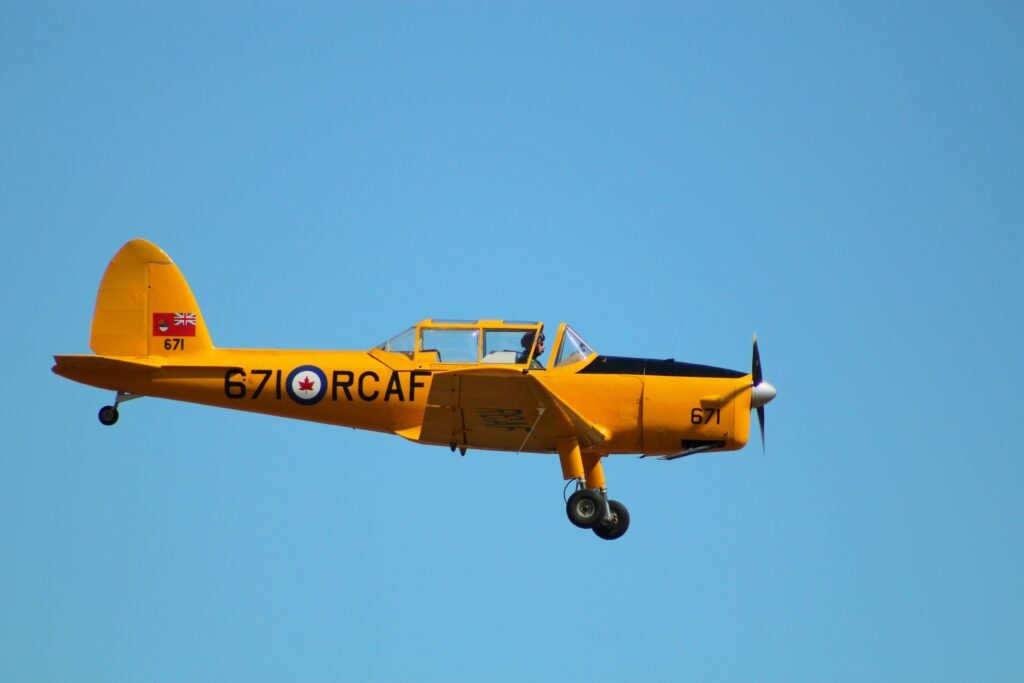
Flying Aeroplane with Solar Energy
Introduction
In recent years, the aviation industry has been searching for new ways to reduce pollution, save fuel, and make air travel more sustainable. Traditional airplanes depend heavily on fossil fuels such as aviation turbine fuel (ATF), which produces carbon dioxide and other harmful emissions. These emissions contribute significantly to global warming and environmental pollution. Because of this growing environmental concern, scientists and engineers have started developing innovative technologies that can power aircraft using renewable energy sources. One of the most promising solutions is the use of solar energy to power airplanes.
Solar-powered airplanes use sunlight as their main source of energy. Solar panels mounted on the wings and body of the aircraft collect sunlight and convert it into electricity. This electricity powers electric motors that drive the aircraft’s propellers. Unlike traditional aircraft engines, solar-powered aircraft do not burn fuel, which means they produce zero direct emissions.
Solar aviation represents a revolutionary step toward greener transportation. It has the potential to transform the aviation industry by reducing fuel consumption, lowering operating costs, and minimizing environmental impact. Although solar airplanes are still in the experimental and developmental stages, several successful flights have already demonstrated the feasibility of this technology.
Concept of Solar-Powered Aircraft
A solar-powered aircraft is an airplane that uses energy from the sun to generate electricity for propulsion. The basic concept involves installing photovoltaic solar panels on the wings and sometimes on the fuselage of the aircraft. These panels capture sunlight and convert it into electrical energy.
The generated electricity is then used in two main ways:
Powering electric motors that rotate the propellers.
Charging onboard batteries that store energy for night flights or cloudy conditions.
During the daytime, the aircraft relies mainly on solar energy while also charging its batteries. At night, the stored battery energy keeps the aircraft flying. This combination allows solar airplanes to stay in the air for very long periods, sometimes even several days.
The idea of solar-powered flight was first seriously explored in the late 20th century when improvements in photovoltaic technology and lightweight materials made such designs possible.
Working Principle of Solar Aircraft
The working principle of a solar-powered airplane is based on the conversion of solar radiation into electrical energy. The photovoltaic cells in solar panels absorb sunlight and convert it into direct current (DC) electricity. This electricity is then distributed through the aircraft’s electrical system.
The fundamental physics behind propulsion involves converting electrical energy into mechanical energy through electric motors. These motors spin the propellers, producing thrust that moves the airplane forward.
The thrust generated by propellers can be conceptually related to mechanical motion principles such as force and acceleration. In physics, force acting on an object produces acceleration according to Newton’s second law.
F
=
m
a
F=ma
m
m
5.0
a
a
2.0
F
=
m
a
=
10
F=ma=10
Mass and acceleration sliders update the force using Newton’s second law.
m = 5
a = 2
F = 10
In the context of aircraft propulsion, the propeller generates a force (thrust) that pushes the airplane forward, allowing it to overcome drag and lift the aircraft into the air.
Solar aircraft are designed to be extremely lightweight with large wingspans. The large wing area provides more space for solar panels and also improves aerodynamic efficiency.
Components of Solar-Powered Aeroplanes
Solar-powered aircraft consist of several essential components that work together to enable solar flight.
1. Solar Panels
Solar panels are the most critical component of a solar airplane. They are made of photovoltaic cells that convert sunlight into electricity. These panels are usually placed across the wings, which provide the largest surface area.
Modern solar aircraft use highly efficient silicon solar cells capable of converting around 20–25% of sunlight into electricity.
2. Electric Motors
Instead of traditional jet or combustion engines, solar aircraft use electric motors. Electric motors are lightweight, efficient, and require less maintenance. They convert electrical energy from solar panels and batteries into mechanical energy that rotates the propellers.
3. Batteries
Energy storage is necessary because sunlight is not always available. High-performance lithium-ion batteries are used to store excess solar energy during the day. These batteries supply power to the motors during night flights or cloudy weather.
4. Propellers
Solar airplanes typically use slow-moving propellers designed for high efficiency rather than speed. These propellers provide the thrust needed to move the aircraft forward.
5. Lightweight Materials
To maximize efficiency, solar airplanes are constructed using lightweight materials such as carbon fiber composites. These materials reduce the aircraft’s weight and improve flight performance.
Aerodynamic Design of Solar Aircraft
Solar airplanes require a special aerodynamic design to operate efficiently. They typically have very long wings with a large wingspan. This design helps in two ways:
It increases the surface area available for solar panels.
It improves lift and reduces drag.
The lift force that keeps the airplane in the air is closely related to airflow and velocity. The aircraft must maintain enough lift to balance its weight.
Solar aircraft usually fly at slower speeds than commercial jets, often between 50 and 100 kilometers per hour. The slow speed reduces energy consumption and allows the aircraft to operate using only solar power.
Historical Development of Solar Flight
The concept of solar-powered aviation began gaining attention in the 1970s during the global energy crisis. Researchers started exploring alternative energy sources for transportation.
One of the earliest successful solar aircraft was Solar Challenger, which crossed the English Channel in 1981 using solar energy.
Later, more advanced solar airplanes were developed with improved technology.
A major milestone in solar aviation was achieved by the aircraft Solar Impulse 2, which completed the first solar-powered flight around the world between 2015 and 2016.
The aircraft flew across multiple continents without using any fuel, relying entirely on solar energy and battery storage. This historic journey demonstrated the potential of renewable energy in aviation.
Another important aircraft is Helios Prototype, developed by NASA. It was designed to fly at extremely high altitudes and serve as a communication platform.
Advantages of Solar-Powered Aeroplanes
Solar-powered aviation offers many important advantages.
1. Environmentally Friendly
Solar airplanes produce no greenhouse gas emissions during flight. This helps reduce global warming and air pollution.
2. Renewable Energy Source
Solar energy is unlimited and freely available from the sun. Unlike fossil fuels, it will not run out.
3. Low Operating Cost
Since solar airplanes do not require fuel, operating costs can be significantly reduced. Maintenance costs are also lower due to fewer moving parts.
4. Long-Endurance Flights
Solar aircraft can remain airborne for extremely long periods. Some designs are capable of flying continuously for several days or even weeks.
5. Quiet Operation
Electric motors produce far less noise compared to traditional aircraft engines. This makes solar aircraft suitable for surveillance, research, and environmental monitoring.
Limitations and Challenges
Despite many advantages, solar aviation also faces several challenges.
1. Limited Power
Solar panels can generate only a limited amount of energy. This restricts the speed and payload capacity of solar aircraft.
2. Weather Dependence
Solar airplanes depend on sunlight. Cloudy weather or storms can reduce the efficiency of solar panels.
3. Large Wing Design
Solar aircraft require very large wingspans to carry enough solar panels. This makes them more fragile and difficult to handle in strong winds.
4. Battery Limitations
Energy storage remains a major challenge. Batteries add weight to the aircraft and currently cannot store as much energy as fossil fuels.
Applications of Solar Aircraft
Solar-powered airplanes can be used for several purposes.
Environmental Monitoring
Solar aircraft can stay in the air for long periods, making them ideal for monitoring forests, oceans, and wildlife.
Communication Platforms
High-altitude solar aircraft can function like satellites, providing internet and communication services to remote areas.
Scientific Research
Researchers can use solar airplanes to study the atmosphere, climate change, and environmental conditions.
Disaster Management
Solar aircraft can help during natural disasters by providing aerial surveillance and communication support.
Future of Solar Aviation
The future of solar-powered aviation looks promising. Rapid improvements in solar panel efficiency, battery technology, and lightweight materials are making solar aircraft more practical.
Scientists are exploring hybrid systems that combine solar energy with hydrogen fuel cells. These systems could provide more power and allow larger aircraft to operate using renewable energy.
Companies and research institutions around the world are investing in solar aviation projects. In the coming decades, solar aircraft may play an important role in surveillance, cargo transport, and high-altitude communication networks.
Although solar airplanes are unlikely to replace large passenger jets in the near future, they will complement existing aviation technologies and contribute to a cleaner and more sustainable transportation system.
Conclusion
Solar-powered aeroplanes represent one of the most exciting innovations in modern aviation. By harnessing the power of the sun, these aircraft offer a sustainable alternative to traditional fuel-powered planes. Solar aviation reduces carbon emissions, lowers operating costs, and opens new possibilities for long-duration flight.
Despite challenges such as limited power and battery capacity, technological advancements continue to improve the performance of solar aircraft. Successful projects have already proven that solar flight is possible on a global scale.
As the world moves toward renewable energy solutions, solar-powered aviation will likely become an important part of the future transportation system. With continued research and innovation, solar airplanes could transform the way we explore the skies while protecting the environment for future generations.