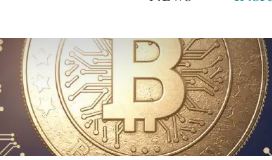
Gemini Business and Finance in Kuwait: A Comprehensive Perspective
Introduction
In a world rapidly shifting toward digital finance, platforms like Gemini — an American cryptocurrency exchange and financial services company — have emerged as pivotal players in shaping how individuals, businesses, and institutions interact with digital assets. However, the landscape is not uniform across the globe. In places like Kuwait, where traditional finance remains dominant and cryptocurrency regulation is limited or restrictive, the interface between Gemini’s global services and the local economic environment presents unique challenges and opportunities. This article explores Gemini’s business model, its financial services, its global expansion strategies, and how these dynamics relate to the business and finance context in Kuwait.
1. What Is Gemini? (Overview of the Company)
Gemini is a cryptocurrency exchange and custodian founded in 2014 by Cameron and Tyler Winklevoss in New York City. It provides a regulated, secure platform for buying, selling, trading, and storing a wide range of digital assets, including Bitcoin (BTC), Ethereum (ETH), and other cryptocurrencies.
1.1 Core Products and Services
Gemini’s product and service offerings include:
Cryptocurrency Exchange – A platform where users can trade 70+ crypto assets with secure custodial services.
Institutional Services – Tailored solutions for businesses, trusts, investment firms, and other high-net-worth or institutional clients.
ActiveTrader – Advanced trading interface for professional traders.
Custody Services – Secure offline (“cold”) storage solutions with multi-layered security.
Mobile App & Wallet – A mobile exchange and wallet experience for retail users.
Gemini’s mission is to “unlock the next era of financial, creative, and personal freedom”, positioning itself as a bridge between traditional finance and the emerging digital economy.
1.2 Regulatory Profile
Gemini is structured as a trust company in New York, subject to capital reserve, cybersecurity, and banking compliance standards enforced by the New York Department of Financial Services (NYDFS).
2. Gemini’s Global Business Footprint
While Gemini is headquartered in the United States, it maintains a global presence — operating in more than 60 countries across North America, Europe, Asia, Africa, and Oceania.
2.1 International Expansion
In recent years, Gemini has pursued strategic expansion to reach global markets. Examples include:
Launching a localized exchange arm in Australia, registered with AUSTRAC to tap into rising crypto demand.
Serving users across multiple continents through its global platform infrastructure.
Expanding internationally is part of Gemini’s broader strategy to integrate digital finance into mainstream regional financial ecosystems.
2.2 Institutional Adoption and Business Solutions
Gemini actively courts institutional adoption, offering business-oriented solutions such as:
Diversification strategies for businesses to hold crypto assets alongside traditional holdings.
APIs for fintechs and banks to integrate crypto services.
Institutional adoption is increasingly critical as companies aim to hedge against inflation and explore new digital asset revenue streams.
3. Cryptocurrencies and Regulation in Kuwait
To understand Gemini’s relevance in Kuwait, one must first understand Kuwait’s stance on cryptocurrencies and digital asset regulation.
3.1 Regulatory Environment
A key reality in Kuwait is that cryptocurrency trading and mining are not formally regulated or recognized by financial authorities. Reports indicate:
The Central Bank of Kuwait warns against cryptocurrency investments due to lack of regulation.
Authorities have taken action against unauthorized cryptocurrency mining, highlighting the absence of legal frameworks governing crypto activities.
Thus, unlike jurisdictions where exchanges can obtain licenses or work under supervisory frameworks, Kuwait currently lacks clear crypto regulatory infrastructure.
3.2 Implications for Investors
Because formal regulation is missing, individuals or businesses in Kuwait wishing to interact with crypto platforms like Gemini typically do so through foreign platforms. However:
Financial and legal risk is higher because local laws do not provide protections or oversight.
Institutional engagement is constrained because regulatory compliance is a prerequisite for financial integration.
This environment makes derivatives such as institutional crypto custody and regulated trading difficult to operate within Kuwait itself.
4. Gemini and the Kuwaiti Market: Key Intersections
While Gemini does not (and cannot currently) operate onshore in Kuwait like it does in regulated regions (such as Singapore, Europe, or the U.S.), the local market still interacts indirectly with Gemini and the broader crypto ecosystem.
4.1 Access to Gemini Services
Gemini’s service broadcast spans over 60 countries.
However, this does not guarantee localized availability or regulatory compliance in Kuwait — especially given local authorities’ caution toward cryptocurrencies.
Even when platforms are globally accessible, legal permissions and compliance structures differ significantly between jurisdictions.
4.2 Indirect Engagement by Traders in Kuwait
While direct regulatory support is not present, individual traders from Kuwait often access global crypto exchanges indirectly through online platforms. For assets like Bitcoin or Ethereum offered by Gemini, the process typically involves:
Accessing international exchanges that accept users from around the world (depending on terms and compliance).
Using third-party wallets, remittance services, or foreign exchange interfaces to bridge financial transactions.
Self-reporting income or capital gains where required by local tax or reporting laws.
However, because Kuwait lacks formal regulations on crypto investments, the legal status and protection of such activities is ambiguous.
5. Business Use Cases and Financial Opportunities
Even within restrictive environments, companies like Gemini influence business and finance in several ways:
5.1 Digital Asset Awareness and Education
Gemini has invested heavily in educational initiatives, content, and developer resources explaining digital assets, decentralized finance (DeFi), and blockchain basics — indirectly contributing to financial literacy in regions outside its formal reach.
For businesses and investors curious about crypto, this offers:
A gateway into understanding alternatives to traditional banking and finance.
Insight into decentralized systems and tokenized assets.
Though Gemini itself may not have an on-the-ground presence in Kuwait, regional financial analysts, fintech groups, and investors often reference such platforms as benchmarks for innovation.
5.2 Institutional Crypto Strategy
Even in restrictive jurisdictions, institutional investors might still consider crypto holdings as part of offshore diversification strategies. For example:
Family offices might use custodial services abroad.
Wealth managers might allocate small portions to digital assets through foreign regulated entities.
Companies with international operations leverage global platforms to hedge exposures.
While these activities carry compliance and legal obligations, they reflect how crypto is increasingly part of global institutional finance conversations, even where local regulation is slow.
6. Risks, Challenges, and Considerations
Despite the potential benefits, the intersection of Gemini’s business with the Kuwaiti financial environment involves several challenges:
6.1 Regulatory Compliance & Legal Ambiguity
Because Kuwaiti authorities do not yet regulate crypto effectively, individuals engaging with platforms like Gemini must be vigilant about legal compliance. This includes:
Tax reporting obligations.
Money-transmission laws.
KYC/AML (Know Your Customer/Anti-Money Laundering) obligations that might apply when transferring funds internationally.
The absence of a clear regulatory framework raises legal risk for both retail and business participants.
6.2 Market Risk and Volatility
Cryptocurrencies are inherently volatile. Investment in digital assets exposes individuals and institutions to:
Swift price swings.
Liquidity risk.
Counterparty risk (especially on unregulated foreign platforms).
Users should understand that crypto does not carry the same protections as traditional financial instruments in Kuwait.
6.3 Operational Constraints
Even where platforms like Gemini provide global access, limitations persist:
Payment methods might not support Kuwaiti banks or cards directly.
Fiat on- and off-ramps may be difficult without intermediaries.
Customer support may be regional instead of local.
These constraints reflect the broader tension between global crypto infrastructure and local financial systems that may not yet be integrated.
7. Competitive Landscape in the Gulf Region
While Kuwait’s regulatory stance remains conservative, the Gulf region overall has a more varied view on cryptocurrencies and fintech:
7.1 Neighboring Crypto Initiatives
Bahrain and the UAE are among the Gulf’s more proactive regulators, offering licensed crypto exchanges and frameworks for digital asset services.
Platforms like CoinMENA (Bahrain/Dubai-based exchange) have expanded significantly and secured regulatory approvals in the region.
Rain, headquartered in Bahrain, serves as another example of a regional crypto exchange with proper licensing.
These regulators have created sandbox environments to encourage fintech innovation, providing models that Kuwait might consider if it pursues more structured digital finance regulation.
7.2 Learning from Regional Trends
For Kuwaiti financial institutions and businesses, the regional fintech evolution provides:
Case studies on compliant crypto platforms.
Insights into risk-managed adoption of digital assets.
Examples of how institutions can balance innovation with protective regulation.
Gemini’s business and services serve as benchmarks, even if direct operations in Kuwait are absent.
8. Business Strategy Opportunities Linked to Gemini
Even without a formal presence, certain strategies can help Kuwaiti businesses and investors align with global digital finance trends:
8.1 Financial and Investment Education
Partner with international platforms like Gemini for cryptocurrency education initiatives.
Establish dialogue between Kuwaiti schools, universities, and finance professionals to build awareness about digital asset economics.
8.2 Private Wealth and Institutional Advisory
Wealth managers in Kuwait can incorporate global asset diversification strategies that consider digital assets via foreign platforms, with careful compliance oversight.
8.3 Fintech Collaboration Across Borders
Local startups could explore partnerships with regional regulated exchanges, ultimately bridging Kuwaiti finance with international crypto markets — without contravening local regulations.
9. The Future: What Comes Next?
The future of business and finance around digital platforms like Gemini in Kuwait will largely depend on regulatory evolution and market demand.
9.1 Potential Regulatory Shifts
If Kuwaiti regulators choose to:
Adopt licensing frameworks for digital asset service providers.
Establish AML/KYC frameworks tailored to crypto;
Encourage sandbox environments for fintech growth,
…then platforms like Gemini could eventually gain formal operational pathways within the country.
Conversely, if the current status quo continues, private investment and cross-border engagement will likely remain the primary means through which Kuwait’s citizens experience Gemini and similar platforms.
9.2 Economic and Financial Integration
The broader trend toward global digital finance — including tokenization of assets, decentralized finance (DeFi), and blockchain-based financial infrastructure — will influence Kuwait’s financial fabric, even if adoption is gradual. Strategic engagement with global platforms and regulatory learning from neighboring GCC states could accelerate this transition.
Conclusion
While Gemini does not currently operate as a regulated domestic financial institution in Kuwait, its global business model and expanding role in the world of digital finance offer important context for Kuwaiti individuals, investors, and businesses. Through indirect engagement, regional regulatory examples, and global financial trends, Gemini’s influence is felt even where direct trading or custody is restricted.
For Kuwait’s financial sector, the key is balancing innovation with prudent regulation — a dynamic trend shaping finance worldwide. In the long run, increased digital asset literacy, institutional engagement, and regulatory clarity may create fertile ground for platforms like Gemini to engage more directly with the Kuwaiti market.