Hi, I am Ratnesh. I have hobbies of content writing related to different diseases like cancer, IT Should be prevented from following the Guide.
Habits Linked to Cancer: How Everyday Choices Shape Long-Term Health
Cancer is one of the leading causes of death worldwide, yet a significant number of cancer cases are linked to lifestyle habits that people can modify or avoid. While genetics and environmental exposure play important roles, scientific research consistently shows that daily habits such as diet, physical activity, tobacco use, alcohol consumption, sleep patterns, stress management, and even digital behavior influence cancer risk. Understanding how habits are connected to cancer empowers individuals to make informed decisions that reduce risk and promote overall health.
This article explores the most important habits linked to cancer, explains the biological mechanisms behind them, and highlights practical strategies to build healthier routines.
1. Tobacco Use: The Strongest Lifestyle Risk Factor
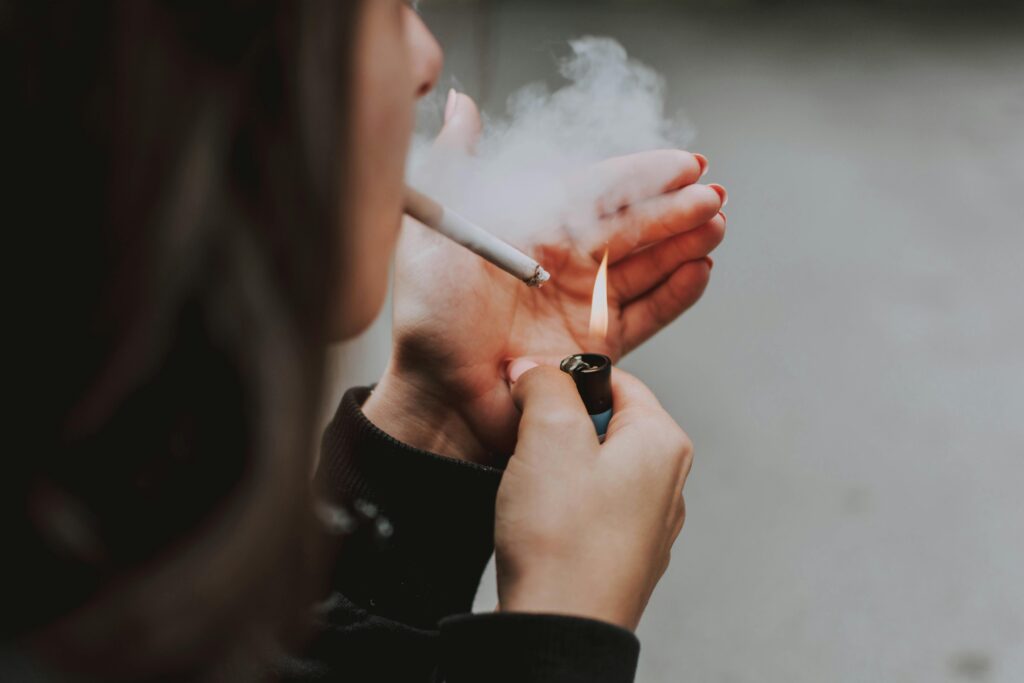
Tobacco remains the single largest preventable cause of cancer. Smoking cigarettes, cigars, pipes, or using smokeless tobacco exposes the body to thousands of harmful chemicals, including at least 70 known carcinogens.
How tobacco causes cancer
When tobacco smoke is inhaled, toxic substances enter the bloodstream and damage DNA in cells. Over time, this DNA damage accumulates and disrupts normal cell growth, leading to uncontrolled division — the hallmark of cancer.
Cancers linked to tobacco
Lung cancer (most strongly linked)
Mouth, throat, and esophageal cancer
Pancreatic cancer
Bladder cancer
Kidney cancer
Cervical cancer
Stomach cancer
Colorectal cancer
Passive smoking
Even people who do not smoke can be at risk through secondhand smoke, which increases the likelihood of lung cancer and heart disease.
Key insight: Quitting smoking at any age significantly reduces cancer risk. The body begins repairing itself within weeks, and long-term risk continues to drop over time.
2. Alcohol Consumption: A Silent but Serious Risk
Alcohol is often socially accepted, but it is classified as a Group 1 carcinogen by the World Health Organization, meaning it directly causes cancer.
How alcohol contributes to cancer
Alcohol breaks down into acetaldehyde, a toxic compound that damages DNA and prevents cells from repairing themselves. Alcohol also increases estrogen levels and reduces nutrient absorption, which further raises cancer risk.
Cancers linked to alcohol
Breast cancer
Liver cancer
Mouth and throat cancer
Esophageal cancer
Colorectal cancer
Stomach cancer
Dose matters
The risk increases with the amount of alcohol consumed. Even moderate drinking has been linked to higher breast cancer risk in women.
Key insight: There is no completely safe level of alcohol consumption when it comes to cancer prevention.
3. Poor Diet and Processed Foods
Diet plays a central role in cancer risk. What people eat daily affects inflammation, immune function, hormone balance, and gut health.
Harmful dietary habits
High intake of processed meats (sausages, bacon, hot dogs)
Excess red meat consumption
Diet high in sugar and refined carbohydrates
Frequent fast food and fried foods
Low intake of fruits, vegetables, and fiber
Cancers linked to poor diet
Colorectal cancer
Stomach cancer
Pancreatic cancer
Liver cancer
Breast cancer
Prostate cancer
How diet causes cancer
Unhealthy foods promote obesity, chronic inflammation, insulin resistance, and oxidative stress — all of which create an environment where cancer cells can thrive.
Processed meats contain nitrites and nitrates that form cancer-causing compounds in the body when digested.
Key insight: A diet rich in whole foods, vegetables, fruits, whole grains, nuts, and seeds significantly reduces cancer risk.
4. Physical Inactivity and Sedentary Lifestyle
Modern lifestyles involve long hours of sitting, whether at work, in front of screens, or during travel. Physical inactivity is a major but underestimated cancer risk factor.
How inactivity increases cancer risk
Promotes obesity
Increases inflammation
Disrupts hormone levels
Slows digestion and immune function
Cancers linked to inactivity
Breast cancer
Colon cancer
Endometrial cancer
Pancreatic cancer
Lung cancer (indirectly)
Benefits of regular physical activity
Exercise reduces insulin levels, boosts immune surveillance, improves blood circulation, and lowers estrogen levels in women.
Key insight: Just 30 minutes of moderate physical activity per day can significantly reduce the risk of multiple cancers.
5. Obesity and Excess Body Fat
Obesity is now considered one of the strongest predictors of cancer after smoking.
Why obesity increases cancer risk
Fat tissue is biologically active. It produces hormones and inflammatory chemicals that encourage cell growth and suppress immune function.
Cancers linked to obesity
Breast cancer (post-menopausal)
Endometrial cancer
Colon cancer
Kidney cancer
Liver cancer
Pancreatic cancer
Ovarian cancer
Biological mechanisms
Increased estrogen production
Higher insulin and IGF-1 levels
Chronic low-grade inflammation
Key insight: Maintaining a healthy weight through diet and physical activity is one of the most effective cancer prevention strategies.
6. Chronic Stress and Poor Mental Health
Stress alone does not directly cause cancer, but chronic stress influences behaviors and biological systems that increase risk.
How stress contributes indirectly
Weakens immune function
Promotes inflammation
Increases cortisol levels
Leads to unhealthy coping habits (smoking, drinking, overeating)
Stress also disrupts sleep, digestion, and hormone balance, which indirectly promote cancer-friendly environments.
Key insight: Managing stress through meditation, exercise, therapy, and social support improves overall health and lowers cancer-related risk behaviors.
7. Poor Sleep and Night Shift Work
Sleep is essential for cellular repair and immune regulation. Poor sleep habits increase the risk of cancer by disrupting circadian rhythms.
How sleep affects cancer
The body releases melatonin at night, which has antioxidant and anti-cancer properties. Irregular sleep patterns reduce melatonin production and increase inflammation.
Cancers linked to sleep disruption
Breast cancer
Prostate cancer
Colorectal cancer
Night shift workers have higher cancer rates due to prolonged exposure to artificial light and irregular biological clocks.
Key insight: Consistent 7–9 hours of quality sleep supports immune defense and cancer prevention.
8. Excessive Sun Exposure and Tanning
Sunlight is necessary for vitamin D production, but excessive exposure to ultraviolet (UV) radiation damages skin cells.
How UV radiation causes cancer
UV rays directly damage DNA in skin cells, leading to mutations that can trigger cancer.
Cancers linked to sun exposure
Melanoma
Basal cell carcinoma
Squamous cell carcinoma
Tanning beds are especially dangerous and significantly increase melanoma risk, particularly in young people.
Key insight: Regular use of sunscreen, protective clothing, and avoiding midday sun reduces skin cancer risk.
9. Environmental and Household Habits
Everyday exposure to chemicals and pollutants also contributes to cancer risk.
Harmful exposures include
Air pollution
Pesticides
Asbestos
Industrial chemicals
Household cleaning agents
Plastic containers with BPA
Cancers linked to toxins
Lung cancer
Bladder cancer
Liver cancer
Blood cancers (leukemia, lymphoma)
Key insight: Reducing exposure to environmental toxins and using natural or low-toxicity products supports long-term health.
10. Poor Oral Hygiene
Oral health is often overlooked but strongly connected to systemic health.
How oral habits affect cancer
Chronic gum disease increases inflammation and allows harmful bacteria to enter the bloodstream.
Cancers linked to poor oral hygiene
Oral cancer
Throat cancer
Esophageal cancer
Pancreatic cancer
Smoking and alcohol further amplify oral cancer risk.
Key insight: Brushing, flossing, and regular dental check-ups reduce cancer risk.
11. Risky Sexual Habits and Infections
Certain infections significantly increase cancer risk, especially when transmitted through unsafe sexual practices.
Key cancer-related infections
HPV (Human Papillomavirus): cervical, throat, anal cancer
Hepatitis B and C: liver cancer
HIV: Kaposi sarcoma, lymphoma
Helicobacter pylori: stomach cancer
Key insight: Safe sex practices, vaccinations (HPV, Hepatitis B), and regular screening prevent infection-related cancers.
12. Excessive Screen Time and Technology Habits
While research is ongoing, prolonged screen time promotes sedentary behavior, poor sleep, and digital addiction, which indirectly increase cancer risk.
Indirect effects
Physical inactivity
Blue light disrupting sleep
Increased snacking
Mental stress
Key insight: Limiting screen time and maintaining digital balance supports healthier routines.
13. Ignoring Preventive Health Screenings
One of the most dangerous habits is avoiding medical check-ups and cancer screenings.
Important screenings
Mammograms
Pap smears
Colonoscopy
Prostate exams
Skin checks
Lung scans (for smokers)
Early detection significantly increases survival rates.
Key insight: Regular screening saves lives by detecting cancer before symptoms appear.
The Biological Link Between Habits and Cancer
At a cellular level, cancer develops due to:
DNA mutations
Chronic inflammation
Hormonal imbalance
Immune system suppression
Oxidative stress
Unhealthy habits accelerate all these processes, while healthy habits slow them down and promote repair.
Building Cancer-Preventive Habits
Cancer prevention is not about perfection but consistency. Small daily improvements accumulate over years and create powerful protection.
Key protective habits
Eat plant-rich diets
Exercise regularly
Maintain healthy weight
Avoid tobacco and alcohol
Sleep well
Manage stress
Use sun protection
Stay vaccinated
Reduce pollution exposure
Get regular health check-ups
Psychological and Social Factors
Social support, positive mindset, and strong relationships are associated with better immune function and lower inflammation.
Loneliness and depression increase risky behaviors and weaken disease resistance.
Key insight: Emotional well-being is an essential part of cancer prevention.
Myths About Habits and Cancer
Myth 1: Cancer is purely genetic
Reality: Only about 5–10% of cancers are inherited. Most are linked to lifestyle and environment.
Myth 2: Only smokers get cancer
Reality: Non-smokers can develop cancer due to diet, infections, stress, pollution, and inactivity.
Myth 3: Supplements prevent cancer
Reality: Whole foods and habits matter more than pills.
The Power of Habit Change
Habits shape biology. Every choice sends signals to your cells — either toward healing or harm. The human body has incredible repair capacity, but it requires supportive environments.
Changing habits may feel difficult, but benefits begin quickly:
Improved energy
Better digestion
Stronger immunity
Mental clarity
Reduced disease risk
Cancer prevention is not a single action but a lifelong lifestyle pattern.
Conclusion
Cancer is not always preventable, but a large proportion of cases are linked to daily habits within human control. Tobacco use, alcohol, unhealthy diet, physical inactivity, obesity, chronic stress, poor sleep, sun exposure, environmental toxins, infections, and ignoring screenings are all powerful contributors to cancer development.
The encouraging truth is that healthy habits can dramatically reduce cancer risk. By making mindful choices in food, movement, mental health, sleep, and environment, individuals can reshape their future health outcomes.
Cancer prevention is not about fear — it is about empowerment. Every healthy habit is an investment in longer life, stronger immunity, and better quality of living. The choices made today determine the health of tomorrow.