Hi,I am Ratnesh kumar , My hobby is content writing about hair cut (barber) in usa.I hope that people of world also like this types of Haircut styles.
Haircuts and barbering in the United States represent much more than a simple grooming routine—they reflect culture, identity, fashion, business innovation, and personal expression. Over time, the American barber industry has evolved from traditional neighborhood barbershops into a dynamic, style-driven, and customer-focused profession. From classic straight razor shaves to modern fade techniques and luxury grooming services, barbering in the USA is a blend of heritage and modernity. This comprehensive discussion explores the history, trends, techniques, business aspects, cultural influence, and future of barbering in the United States.
1. Introduction to Barbering in the USA
Barbering in the United States is a respected skilled trade that has deep historical roots. A barber is not just someone who cuts hair; they are artists, stylists, therapists, and entrepreneurs. The American barbershop is often seen as a social hub where people gather, converse, and build community relationships.
Haircuts in the USA vary widely depending on personal preference, cultural background, profession, and current fashion trends. From corporate professionals seeking clean, conservative cuts to young individuals experimenting with bold styles, barbers cater to a diverse population.
2. Historical Background of Barbering
Barbering dates back centuries, but in the United States, it became prominent during the 19th and early 20th centuries. Traditional barbershops were known for offering haircuts, beard trims, and straight razor shaves.
The iconic barber pole—with its red, white, and blue stripes—symbolizes the profession’s history. Originally, barbers also performed minor surgical procedures, and the colors represent blood (red), bandages (white), and veins (blue).
During the early 1900s, barbershops became social centers for men, especially in urban areas. Over time, the industry declined slightly due to the rise of salons, but it has experienced a strong revival in recent decades.
3. Modern Barbering Industry
Today, barbering in the USA is thriving. The industry has transformed into a multi-billion-dollar sector with thousands of barbershops across the country. Modern barbershops combine traditional techniques with contemporary styles.
Key Features of Modern Barbershops:
- Stylish interiors with a vintage or modern aesthetic
- Professional-grade tools and equipment
- Personalized grooming services
- Online booking systems
- Strong presence on social media
Barbers are now recognized as creative professionals, often building personal brands and gaining celebrity status.
4. Popular Haircut Styles in the USA
Haircut trends in the USA change frequently, influenced by celebrities, athletes, and social media. Some of the most popular styles include:
1. Fade Haircuts
Fade haircuts are among the most requested styles. They involve gradually blending hair from short to long.
- Low fade
- Mid fade
- High fade
- Skin fade
2. Taper Cut
A taper is a subtle version of the fade, ideal for professional environments.
3. Undercut
The sides are shaved or very short while the top remains long.
4. Crew Cut
A classic, low-maintenance style often worn by military personnel.
5. Pompadour
A stylish look with volume on top, inspired by vintage fashion.
6. Buzz Cut
A very short, uniform haircut done with clippers.
7. Textured Crop
A modern style with messy, layered texture.
5. Barbering Techniques
Barbers in the USA are trained in various techniques to create precise and stylish haircuts.
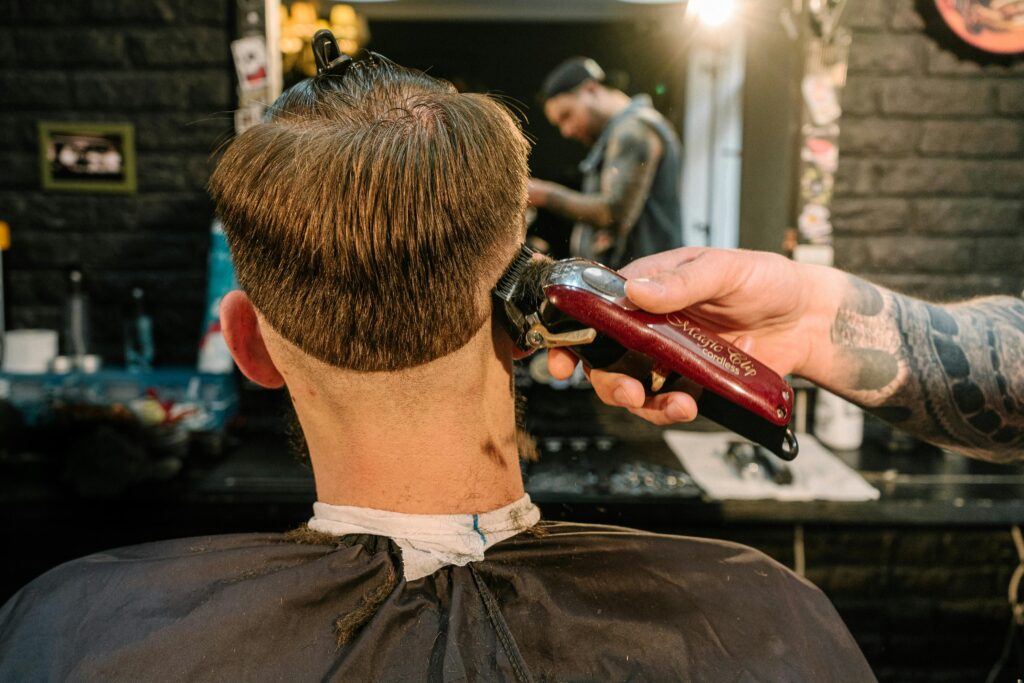
1. Clipper Cutting
Used for short styles and fades.
2. Scissor Cutting
Used for longer hair and detailed styling.
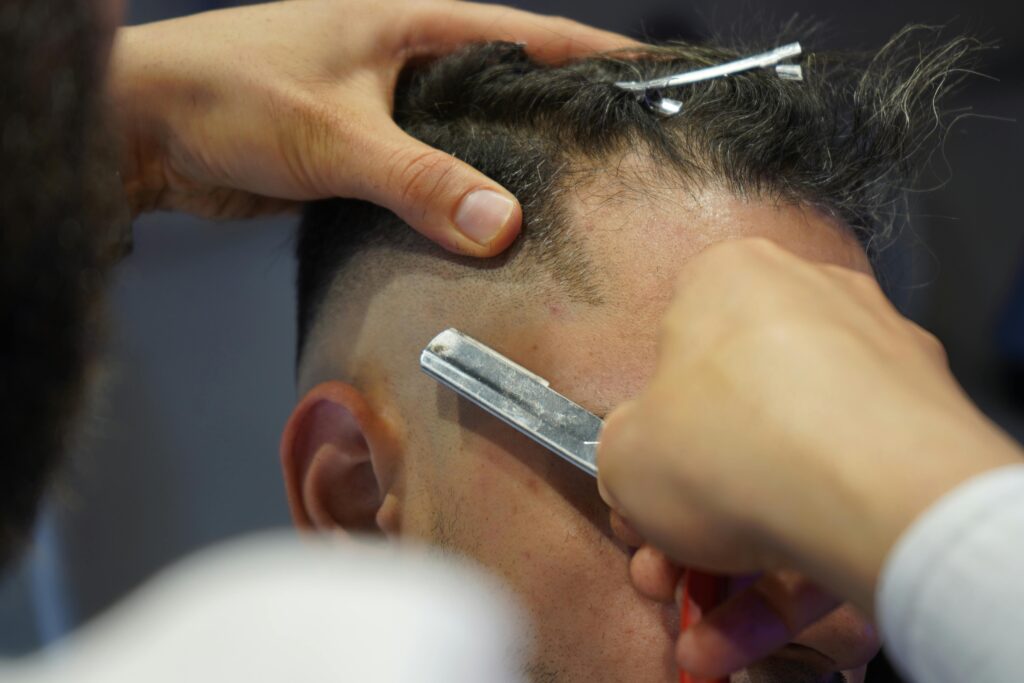
3. Razor Cutting
Provides sharp lines and smooth finishes.
4. Blending and Fading
A key skill that ensures a seamless transition between different hair lengths.
5. Line-Up (Edge-Up)
Creating clean, sharp hairlines around the forehead and temples.
6. Tools Used by Barbers
Professional barbers use a variety of tools, including:
- Clippers and trimmers
- Scissors and shears
- Straight razors
- Combs and brushes
- Hair dryers
- Styling products (gel, pomade, wax)
High-quality tools are essential for delivering precision and maintaining hygiene standards.
7. Barber Training and Licensing
In the USA, barbers must undergo formal training and obtain a license to practice. Requirements vary by state but generally include:
- Completion of a barber training program (typically 1,000–1,500 hours)
- Passing a written and practical exam
- Maintaining hygiene and safety standards
Barber schools teach cutting techniques, sanitation, customer service, and business management.
8. Cost of Haircuts in the USA
Haircut prices in the USA vary widely based on location, barber experience, and shop reputation.
Average Price Range:
- Basic haircut: $15–$30
- Premium haircut: $40–$80
- Luxury grooming services: $100+
In major cities like New York or Los Angeles, prices tend to be higher compared to smaller towns.
9. Barbershop Culture
Barbershops in the USA are cultural institutions. They are places where people come not only for grooming but also for conversation and relaxation.
Cultural Significance:
- Community bonding
- Discussions on sports, politics, and daily life
- Safe space for expression
- Strong influence in African-American communities
Barbers often build long-term relationships with clients, becoming trusted figures in their lives.
10. Role of Social Media
Social media platforms like Instagram, TikTok, and YouTube have transformed the barbering industry.
Benefits:
- Showcasing skills and styles
- Attracting new clients
- Learning new techniques
- Building personal brands
Many barbers have become influencers, gaining thousands or even millions of followers.
11. Celebrity Influence on Hair Trends
Celebrities play a major role in shaping haircut trends in the USA. Athletes, actors, and musicians often set new styles that quickly become popular.
For example:
- Fade haircuts popularized by athletes
- Pompadours inspired by actors
- Unique designs and patterns influenced by musicians
Barbers must stay updated with these trends to meet customer expectations.
12. Business Side of Barbering
Barbering is not just a profession—it’s also a business opportunity.
Business Models:
- Independent barbers
- Barbershop owners
- Franchise chains
- Mobile barber services
Successful barbers often expand into selling grooming products or opening multiple locations.
13. Hygiene and Safety Standards
Hygiene is a critical aspect of barbering in the USA. Barbers must follow strict sanitation rules:
- Sterilizing tools after each use
- Using clean towels and capes
- Maintaining a clean workspace
- Following state health regulations
These practices ensure customer safety and build trust.
14. Diversity in Hair Types and Styles
The USA is a diverse country with people from different ethnic backgrounds. Barbers must be skilled in handling various hair types:
- Straight hair
- Wavy hair
- Curly hair
- Coily hair
Each hair type requires specific techniques and products.
15. Women in Barbering
Although traditionally male-dominated, the barbering industry now includes many female barbers. Women are making significant contributions, bringing creativity and innovation to the field.
16. Luxury and Premium Barber Services
High-end barbershops offer luxury experiences, including:
- Hot towel shaves
- Scalp massages
- Beard grooming
- Hair treatments
These services provide relaxation and enhance the overall customer experience.
17. Challenges in the Barber Industry
Despite its growth, the barbering industry faces challenges:
- High competition
- Maintaining consistent income
- Keeping up with trends
- Licensing requirements
Barbers must continuously improve their skills to stay relevant.
18. Technology in Barbering
Technology is changing the way barbers operate:
- Online appointment booking
- Digital payments
- Customer management systems
- Virtual hairstyle previews
These innovations improve efficiency and customer convenience.
19. Future of Barbering in the USA
The future of barbering looks promising. Trends suggest:
- Increased demand for personalized services
- Growth of mobile barbering
- Expansion of grooming products
- Integration of AI and virtual styling tools
Barbers who adapt to these changes will thrive in the evolving market.
20. Conclusion
Barbering in the United States is a vibrant and evolving industry that combines tradition, artistry, and entrepreneurship. From classic barbershops to modern luxury grooming studios, the profession continues to grow and adapt to changing trends and customer needs.
Haircuts are no longer just about maintaining appearance—they are a form of self-expression and confidence. Barbers play a crucial role in shaping personal identity and enhancing style.
As the industry continues to innovate, barbering will remain an essential part of American culture, offering opportunities for creativity, connection, and business success.