- Hi, I am Ratnesh , My hobby is writing unique content in the home appliances in the USA.
Home Appliances in the USA: Trends, Technology, and Consumer Lifestyle
Introduction
Home appliances play a central role in modern American life, shaping how households function, save time, and maintain comfort. From essential kitchen devices to advanced smart home systems, appliances in the United States have evolved significantly over the past century. Today, they are not just tools for convenience but symbols of efficiency, innovation, and lifestyle enhancement.
The American home appliance market is one of the largest in the world, driven by high consumer spending, technological advancements, and a strong focus on energy efficiency. This article explores the history, categories, trends, technology, and future of home appliances in the USA.
Evolution of Home Appliances in the USA
The development of home appliances in the United States began in the early 20th century with the introduction of electricity into homes. Early appliances such as electric irons, refrigerators, and washing machines revolutionized domestic work.
During the 1950s and 1960s, the post-war economic boom led to widespread adoption of household appliances. Owning a refrigerator, oven, and washing machine became standard in American households. Over time, innovations focused on automation, safety, and design.
By the 21st century, appliances became smarter, more energy-efficient, and interconnected, reflecting modern lifestyles and environmental concerns.
Major Categories of Home Appliances
1. Kitchen Appliances
Kitchen appliances are among the most essential in American homes. They simplify cooking, food storage, and cleaning.
Common kitchen appliances include:
- Refrigerators
- Microwaves
- Dishwashers
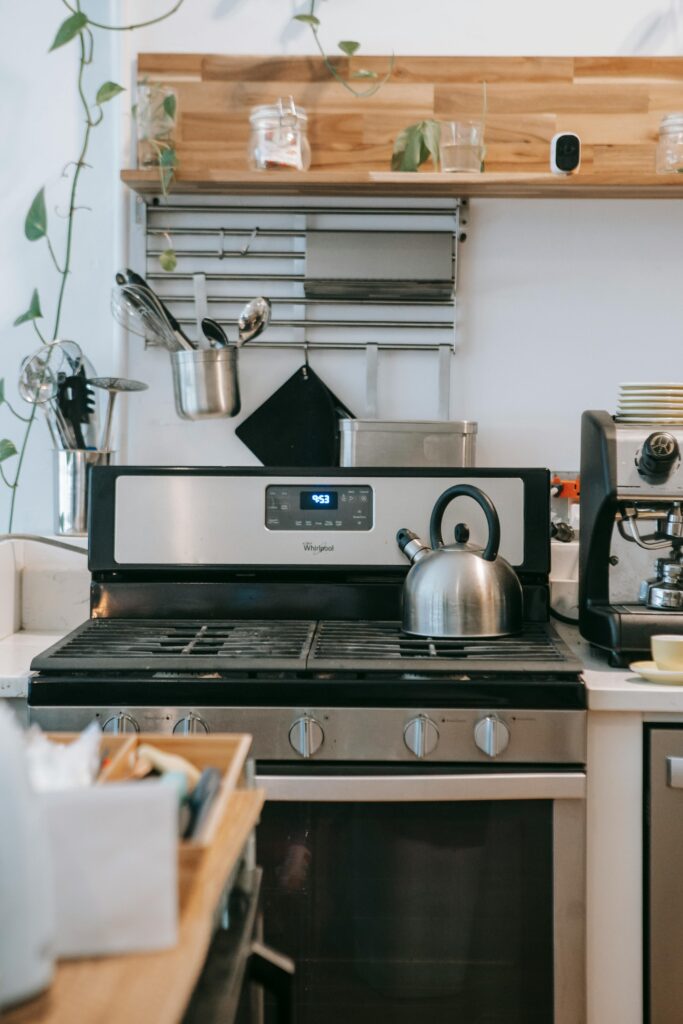
- Ovens and stoves
- Blenders and food processors
- Coffee makers
Refrigerators in the USA often come with advanced features such as ice makers, water dispensers, and smart temperature control systems. Dishwashers are widely used due to convenience and water efficiency compared to manual washing.
2. Laundry Appliances
Laundry appliances are crucial for maintaining hygiene and saving time.
Key appliances include:
- Washing machines
- Dryers
In the USA, dryers are extremely common, unlike in many other countries. Many households use both washing machines and dryers, often stacked or placed side by side. Modern machines come with features like steam cleaning, quick wash cycles, and smart connectivity.
3. Heating and Cooling Appliances
Due to varying climates across the United States, heating and cooling appliances are essential.
These include:
- Air conditioners
- Heaters
- HVAC systems
- Fans
Central air conditioning systems are common in American homes, especially in warmer regions. Smart thermostats are increasingly popular, allowing homeowners to control temperature remotely and save energy.
4. Cleaning Appliances
Cleaning appliances help maintain cleanliness with minimal effort.
Examples include:
- Vacuum cleaners
- Robotic vacuums
- Steam cleaners
Robotic vacuum cleaners have gained popularity due to automation and convenience. These devices can clean floors independently using sensors and AI-based navigation.
5. Small Home Appliances
Small appliances enhance daily living and convenience.
These include:
- Toasters
- Electric kettles
- Air fryers
- Humidifiers
- Dehumidifiers
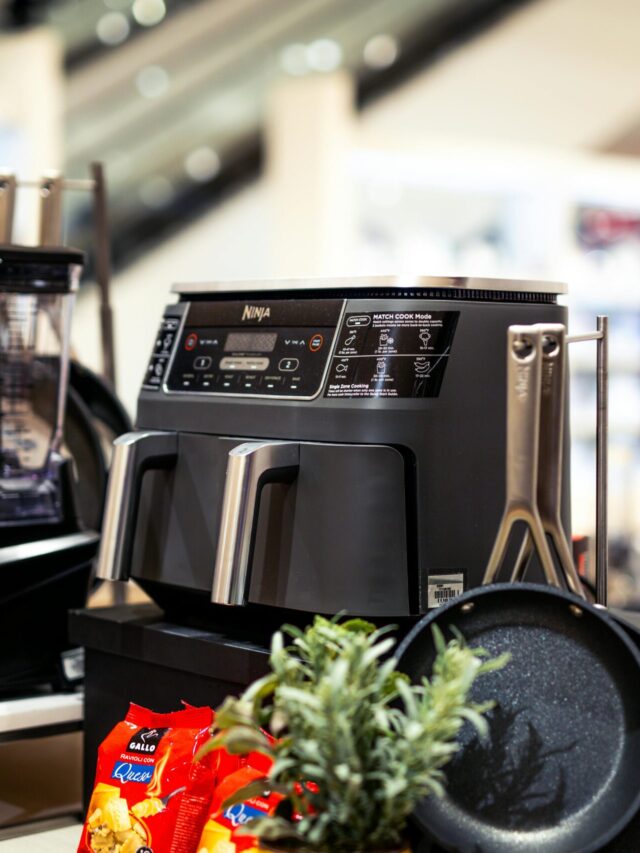
Air fryers, in particular, have seen rapid growth in the USA due to their ability to cook healthier meals with less oil.
Smart Home Appliances
One of the most significant trends in the USA is the rise of smart home appliances. These devices connect to the internet and can be controlled through smartphones or voice assistants.
Features of Smart Appliances:
- Remote control via mobile apps
- Voice control integration
- Energy monitoring
- Automated scheduling
- Predictive maintenance
Examples include:
- Smart refrigerators that track food inventory
- Smart ovens with remote cooking controls
- Smart washing machines with app-based operation
Smart home ecosystems often integrate with virtual assistants like voice-controlled systems, making homes more interactive and efficient.
Energy Efficiency and Sustainability
Energy efficiency is a major focus in the USA due to environmental concerns and government regulations.
ENERGY STAR Program
The ENERGY STAR certification is widely recognized in the USA. Appliances with this label consume less energy and reduce utility costs.
Benefits include:
- Lower electricity bills
- Reduced environmental impact
- Government incentives and rebates
Consumers are increasingly choosing eco-friendly appliances to support sustainability.
Consumer Behavior in the USA
American consumers prioritize:
- Convenience
- Durability
- Technology integration
- Energy efficiency
- Brand reputation
Many households prefer appliances that save time and reduce manual effort. Online reviews and ratings play a significant role in purchasing decisions.
Popular Brands in the USA
The US appliance market is dominated by several well-known brands known for innovation and quality.
Leading Brands Include:
- Whirlpool
- General Electric (GE Appliances)
- Samsung
- LG
- KitchenAid
- Maytag
These brands offer a wide range of appliances catering to different budgets and preferences.
Impact of Technology on Home Appliances
Technology has transformed appliances into intelligent systems.
Key Technological Advancements:
- Artificial Intelligence (AI)
Appliances can learn user habits and optimize performance. - Internet of Things (IoT)
Devices communicate with each other for seamless operation. - Automation
Tasks are completed with minimal human intervention. - Touchscreen Interfaces
Modern appliances feature user-friendly digital controls. - Voice Control
Integration with voice assistants allows hands-free operation.
Trends in the US Home Appliance Market
1. Smart Homes
The demand for smart appliances continues to rise as more households adopt connected living.
2. Compact Appliances
Urban living has increased demand for space-saving appliances.
3. Energy Efficiency
Consumers prefer appliances that reduce energy consumption.
4. Premium Appliances
High-end appliances with advanced features are gaining popularity among affluent consumers.
5. Customization
Modern appliances offer customizable settings for personalized use.
Challenges in the Appliance Industry
Despite growth, the industry faces challenges:
- High costs of advanced appliances
- Maintenance and repair expenses
- Rapid technological changes
- Environmental concerns regarding e-waste
Manufacturers are working to address these issues by improving durability and recyclability.
Role of E-commerce
Online shopping has transformed how Americans purchase appliances.
Benefits of Online Buying:
- Wide selection
- Competitive pricing
- Customer reviews
- Home delivery and installation
Major online platforms and brand websites offer convenient purchasing options.
Future of Home Appliances in the USA
The future of home appliances is driven by innovation and sustainability.
Emerging Trends:
- AI-driven appliances
Devices will become more intelligent and adaptive. - Green technology
Focus on reducing carbon footprint. - Voice and gesture control
More intuitive user interfaces. - Integration with smart homes
Fully connected ecosystems. - Self-maintenance systems
Appliances will detect and fix issues automatically.
Importance of Home Appliances in Daily Life
Home appliances significantly improve quality of life by:
- Saving time
- Reducing physical effort
- Enhancing comfort
- Improving hygiene
- Supporting modern lifestyles
They allow individuals to focus on work, family, and leisure instead of manual household tasks.
Comparison with Other Countries
Compared to many countries, the USA has:
- Higher appliance ownership rates
- Greater adoption of smart technology
- Larger appliance sizes
- Strong focus on convenience
For example, dryers are much more common in the USA than in countries like India, where air drying is often preferred.
Maintenance and Care
Proper maintenance extends appliance lifespan.
Tips:
- Regular cleaning
- Following manufacturer guidelines
- Timely repairs
- Avoiding overuse
Smart appliances often provide maintenance alerts to users.
Conclusion
Home appliances in the USA have evolved from simple mechanical devices to advanced, intelligent systems that enhance everyday living. With a strong focus on innovation, energy efficiency, and convenience, the American appliance market continues to lead globally.
As technology advances, the future of home appliances promises even greater efficiency, automation, and sustainability. Whether it is a smart refrigerator or a robotic vacuum, these devices are shaping modern lifestyles and redefining how households function.