Indiana TravelJones and Transportation in the USA
When people think about adventure in America, they often picture dusty highways, roaring motorcycles, rumbling trains, and small aircraft crossing vast deserts. The legendary archaeologist Indiana Jones represents more than treasure hunting—he represents the spirit of travel across the United States. From university lecture halls to hidden caves in the Southwest, his journeys reflect the diversity of American transportation systems and landscapes.
This in-depth exploration of Indiana Jones–inspired travel and transportation in the USA reveals how different modes of transport shape adventure, culture, and discovery across the country.
1. The Spirit of Adventure on American Roads
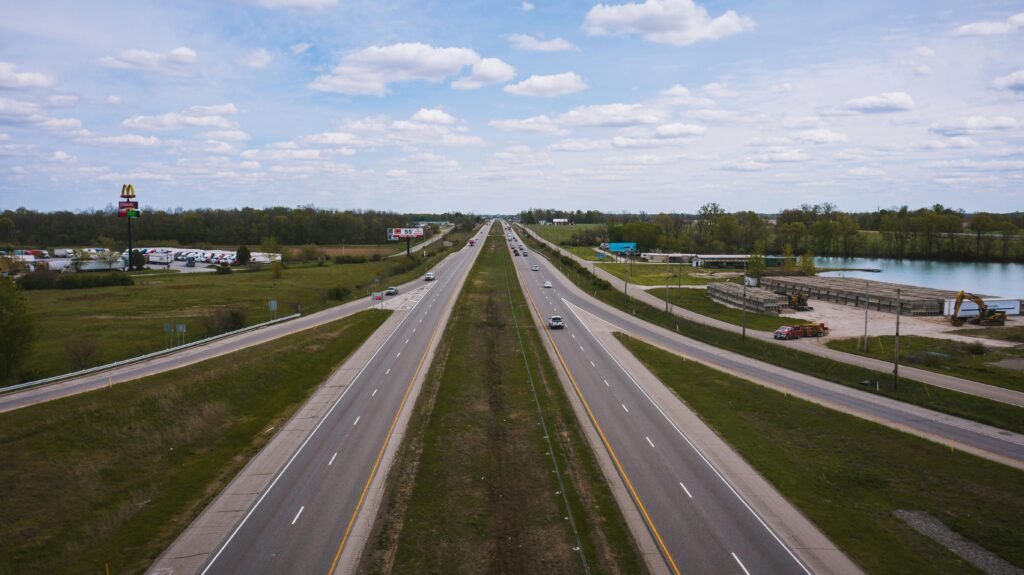
The United States is famous for its road culture. Highways stretch thousands of miles, connecting cities, deserts, mountains, forests, and coastlines. If Indiana Jones were traveling across America in search of a lost relic, the open road would be his first choice.
Historic Highways
One of the most iconic roads in the country is U.S. Route 66. Often called the “Main Street of America,” Route 66 symbolizes freedom and exploration. Stretching from Chicago to California, it crosses small towns, deserts, and historic landmarks. An Indiana Jones–style journey on Route 66 would include:
Abandoned gas stations
Hidden roadside museums
Desert ghost towns
Historic diners
The American highway system makes cross-country travel convenient and adventurous at the same time.
2. Trains: The Classic American Adventure
Rail travel plays a significant role in American history. Long before highways dominated transportation, trains connected the nation.
Cross-Country Rail Travel
Amtrak operates passenger trains across the United States. Routes like the California Zephyr cross the Rocky Mountains and Midwest plains, offering breathtaking views.
An Indiana Jones–inspired rail journey might include:
Sleeper cabins
Mountain tunnels
Historic train stations
Desert crossings at sunset
Trains provide both comfort and a sense of mystery—perfect for transporting artifacts or chasing villains across state lines.
3. Aviation: Small Planes and Big Skies
Indiana Jones is known for traveling by aircraft in many of his adventures. In the USA, aviation is one of the most important forms of long-distance transportation.
Major Airlines
American Airlines and Delta Air Lines operate extensive domestic networks connecting major cities like New York, Chicago, Dallas, and Los Angeles.
Small Aircraft & Private Airstrips
The United States has thousands of small regional airports. In remote areas such as Arizona or Alaska, small propeller planes are still common. These aircraft can land near deserts, forests, and mountains—ideal for archaeological expeditions.
Aviation allows fast travel between:
University research centers
Remote excavation sites
Desert airstrips
International departure hubs
4. Motorcycles and Rugged Vehicles
Adventure often requires mobility in rough terrain. In many scenes, Indiana Jones uses motorcycles or rugged vehicles to escape danger.
Iconic American Motorcycle
Harley-Davidson motorcycles represent freedom and strength. Riding across Nevada deserts or California highways captures the independent American spirit.
Off-Road Vehicles
American terrain includes:
Rocky Mountain trails
Utah desert canyons
Appalachian forests
Texas plains
Four-wheel-drive vehicles and SUVs are popular for outdoor exploration. For an Indiana Jones–inspired expedition, such vehicles are essential for reaching hidden ruins.
5. National Parks: Natural Adventure Landscapes
The USA contains some of the world’s most dramatic landscapes. These environments shape the transportation needed for exploration.
Grand Canyon National Park
Accessible by car, helicopter, hiking trails
Rugged desert terrain
Remote archaeological significance
Yellowstone National Park
Geysers and wildlife
Mountain roads
Snow travel in winter
Zion National Park
Steep cliffs
Shuttle transportation system
Hiking-based exploration
National parks combine transportation infrastructure with wilderness challenge—ideal settings for adventure.
6. Urban Transportation: From Subways to Taxis
Not every journey is through deserts and jungles. Indiana Jones is also a university professor, meaning he travels through cities.
Subways
New York City Subway is one of the largest transit systems in the world. Underground tunnels and crowded platforms create suspenseful urban travel scenes.
Chicago Transit
Chicago Transit Authority operates elevated trains, buses, and subway routes across Chicago. Elevated railways add a dramatic backdrop for chase scenes.
Urban transportation systems reflect the modern side of American mobility.
7. River Travel and Waterways
America’s rivers once served as major transportation routes.
The Mississippi River
Mississippi River flows through the heart of the United States. Steamboats historically carried goods and passengers.
An Indiana Jones–style river journey could involve:
Riverboats
Cargo barges
Remote docking points
Hidden river caves
Water transportation remains vital for freight and tourism.
8. Desert Transportation in the Southwest
States like Arizona, Nevada, and New Mexico offer landscapes perfect for archaeological adventures.
Transportation in desert areas includes:
All-terrain vehicles
Small planes
Horses in remote ranch areas
Hiking through canyon systems
Heat, sand, and distance make transportation planning critical. These regions capture the adventurous tone associated with Indiana Jones.
9. University Travel and Academic Conferences
Indiana Jones works as a professor. In the USA, academic professionals frequently travel for:
Research
Conferences
Museum collaborations
Field studies
Major academic cities include:
Boston
Chicago
Los Angeles
Washington, D.C.
Air travel and rail networks make it easy for professors to move between institutions and research sites.
10. Museums and Cultural Transport
Artifacts discovered across America are transported carefully to museums.
Smithsonian Institution
One of the largest museum complexes in the world, located in Washington, D.C., represents the preservation side of adventure.
Transportation of historical items requires:
Climate-controlled trucks
Security escorts
Careful packaging
Documentation systems
The journey of an artifact can be just as important as its discovery.
11. Airfields and Military Influence
Many remote airfields in the USA were originally built for military use. These facilities sometimes serve civilian aircraft today.
States like Nevada and Arizona contain isolated airstrips surrounded by desert landscapes—perfect for adventure storytelling and real-world exploration.
12. The Role of Technology in Modern Travel
Modern American transportation relies on:
GPS navigation
Satellite communication
Online booking systems
Ride-sharing apps
Even an adventurous archaeologist today would use smartphones, digital maps, and modern logistics tools.
Technology has made travel:
Faster
Safer
More organized
Globally connected
13. Cross-Country Expeditions
A full Indiana Jones–inspired American journey might look like this:
Fly from New York to Chicago
Drive along Route 66
Take a train through the Rockies
Explore desert ruins in Arizona
Travel by helicopter over the Grand Canyon
Ship artifacts to Washington, D.C.
Each step reflects real transportation systems available in the USA.
14. Cultural Impact of Travel in America
Transportation is more than movement—it shapes American culture.
Road trips represent:
Freedom
Discovery
Independence
Self-reliance
Train stations symbolize:
Industrial progress
National unity
Airports reflect:
Global connection
Speed
Modern technology
Indiana Jones’ adventures mirror these transportation values.
15. Safety and Regulations
Modern transportation in the USA is regulated by federal agencies ensuring:
Air safety
Road standards
Rail inspections
Maritime security
Travelers must follow:
Identification requirements
Ticketing systems
Safety guidelines
Adventure may involve risk, but real-world transportation emphasizes safety.
16. Tourism and Adventure Economy
Adventure tourism is a large industry in the United States. Activities include:
Archaeological tours
Desert safaris
Historical site visits
Cave exploration
Scenic train rides
Many destinations provide guided experiences inspired by classic adventure stories.
17. The Legacy of Exploration
The American frontier spirit aligns closely with Indiana Jones’ character. Historically, explorers crossed:
The Great Plains
Rocky Mountains
Western deserts
Southern swamps
Transportation evolved from:
Horseback travel
Covered wagons
Steam locomotives
Automobiles
Aircraft
This evolution reflects national growth and innovation.
18. The Emotional Side of Travel
Adventure travel in the USA brings:
Excitement
Uncertainty
Discovery
Cultural understanding
Whether traveling by train across snowy mountains or driving through desert highways, the experience becomes part of the story.
Conclusion
Indiana Jones represents courage, curiosity, and the spirit of exploration. His adventures, when imagined within the United States, highlight the diversity of American travel and transportation systems. From historic highways like Route 66 to modern aviation networks, from national park shuttles to urban subway systems, the USA offers countless ways to explore its vast landscapes.
Transportation is not just a way to reach a destination—it is part of the adventure itself. In America, every road, railway, river, and runway tells a story. And in true Indiana Jones fashion, the journey is always just as important as the treasure waiting at the end.