HI,I am Ratnesh, My hobby is write unique content about suffers from insomnia in usa people.
:
Insomnia in the United States: Causes, Impact, and Solutions
Insomnia is one of the most common sleep disorders affecting millions of people across the United States. In a fast-paced society driven by technology, work pressure, and lifestyle changes, the ability to get restful sleep has become increasingly difficult for many Americans. Insomnia is not just about difficulty falling asleep—it is a complex condition that can affect physical health, mental well-being, productivity, and overall quality of life.
Understanding Insomnia
Insomnia is defined as the persistent difficulty in falling asleep, staying asleep, or waking up too early and not being able to return to sleep. It can be classified into two main types:
- Acute insomnia: Short-term sleep problems lasting a few days or weeks, often triggered by stress or life events.
- Chronic insomnia: Long-term sleep issues occurring at least three times per week for three months or more.
According to the Centers for Disease Control and Prevention, a significant portion of adults in the United States report not getting enough sleep regularly. Sleep deprivation has become a public health concern, affecting both young and older populations.
Prevalence of Insomnia in the USA
Insomnia affects approximately 30–35% of adults in the United States at some point in their lives. Around 10–15% suffer from chronic insomnia. The condition is more common among:
- Women (especially during hormonal changes like pregnancy or menopause)
- Older adults
- People with high-stress occupations
- Individuals with mental health disorders
The National Sleep Foundation has reported that modern lifestyles—especially exposure to screens and irregular schedules—have significantly contributed to sleep disturbances across the country.
Causes of Insomnia
There is no single cause of insomnia. Instead, it is often the result of multiple overlapping factors:
1. Stress and Anxiety
Stress is one of the leading causes of insomnia in the United States. Work deadlines, financial worries, family responsibilities, and social pressures can keep the mind active at night, preventing relaxation.
2. Technology and Screen Exposure
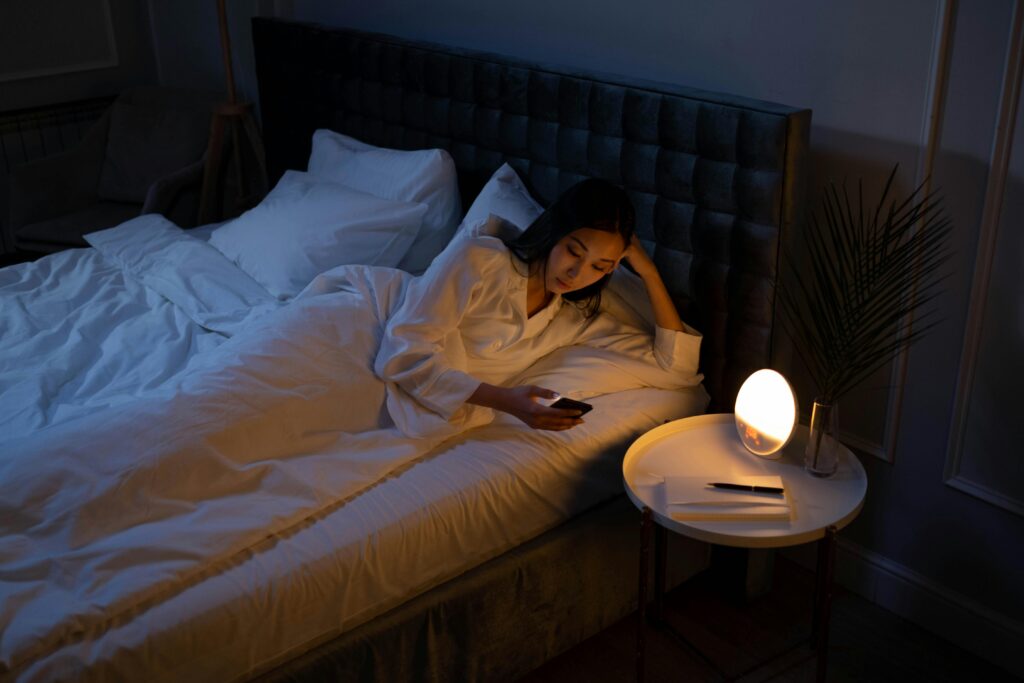
The widespread use of smartphones, tablets, and computers has disrupted natural sleep patterns. Blue light emitted by screens suppresses melatonin production, the hormone responsible for regulating sleep.
3. Poor Sleep Habits
Irregular sleep schedules, late-night eating, caffeine consumption, and lack of bedtime routines can interfere with sleep quality.
4. Medical Conditions
Chronic illnesses such as asthma, arthritis, heart disease, and chronic pain can make it difficult to sleep comfortably.
5. Mental Health Disorders
Conditions such as depression, anxiety, and post-traumatic stress disorder (PTSD) are closely linked to insomnia.
6. Medications
Certain prescription drugs, including antidepressants, blood pressure medications, and stimulants, may cause sleep disturbances.
7. Shift Work and Jet Lag
Many Americans work night shifts or rotating schedules, disrupting their natural circadian rhythm. Frequent travel across time zones can also lead to insomnia.
Effects of Insomnia
Insomnia affects more than just sleep—it has wide-ranging consequences for overall health and daily functioning.
1. Physical Health Problems
Chronic sleep deprivation is linked to serious health issues such as:
- Heart disease
- Obesity
- Diabetes
- High blood pressure
2. Mental Health Issues
Insomnia can worsen mental health conditions, leading to:
- Increased anxiety
- Depression
- Mood swings
- Irritability
3. Reduced Cognitive Function
Lack of sleep impairs concentration, memory, and decision-making abilities. This can impact work performance and academic success.
4. Increased Risk of Accidents
Sleep-deprived individuals are more likely to be involved in accidents, especially while driving or operating machinery.
5. Lower Quality of Life
Chronic fatigue can reduce motivation, energy levels, and overall happiness, affecting relationships and social interactions.
Insomnia Among Different Age Groups
Children and Teenagers
Although insomnia is more common in adults, children and teenagers in the United States are increasingly affected due to excessive screen time, academic pressure, and irregular sleep patterns.
Adults
Working professionals often struggle with insomnia due to stress, long work hours, and poor work-life balance.
Older Adults
Aging naturally affects sleep patterns, making older individuals more prone to insomnia. Health conditions and medications also contribute to sleep problems in this group.
Gender Differences in Insomnia
Studies show that women are more likely to experience insomnia than men. Hormonal changes during menstruation, pregnancy, and menopause play a significant role. Women are also more likely to experience anxiety and depression, which are closely linked to sleep disorders.
Economic Impact of Insomnia
Insomnia has a significant economic impact in the United States. Reduced productivity, increased healthcare costs, and workplace accidents result in billions of dollars in losses each year. Employers often face decreased efficiency due to fatigued workers.
Diagnosis of Insomnia
Doctors diagnose insomnia based on medical history, sleep patterns, and symptoms. Common diagnostic methods include:
- Sleep questionnaires
- Sleep diaries
- Polysomnography (sleep study)
- Actigraphy (monitoring sleep-wake cycles)
Treatment Options
1. Lifestyle Changes
Simple changes in daily habits can significantly improve sleep quality:
- Maintain a consistent sleep schedule
- Avoid caffeine and heavy meals before bedtime
- Create a comfortable sleep environment
- Limit screen time before sleep
2. Cognitive Behavioral Therapy for Insomnia (CBT-I)
CBT-I is one of the most effective treatments for chronic insomnia. It focuses on changing negative thoughts and behaviors related to sleep.
3. Medications
Doctors may prescribe sleeping pills or other medications for short-term use. However, long-term reliance is generally discouraged due to potential side effects.
4. Relaxation Techniques
Practices such as meditation, deep breathing, and yoga can help calm the mind and improve sleep.
5. Alternative Therapies
Some people use herbal remedies, acupuncture, or aromatherapy to manage insomnia, although scientific evidence varies.
Role of Technology in Managing Sleep
While technology contributes to insomnia, it also offers solutions. Sleep tracking apps, wearable devices, and smart beds help monitor sleep patterns and provide insights for improvement.
Insomnia and Lifestyle in the USA
The American lifestyle is one of the key contributors to insomnia. Factors include:
- Long working hours
- High stress levels
- Fast-paced urban living
- 24/7 digital connectivity
The “always-on” culture makes it difficult for individuals to disconnect and prioritize rest.
Preventing Insomnia
Prevention is better than cure. Healthy sleep habits can reduce the risk of insomnia:
- Go to bed and wake up at the same time daily
- Create a relaxing bedtime routine
- Keep the bedroom dark and quiet
- Exercise regularly
- Manage stress effectively
Importance of Sleep Awareness
Organizations like the American Academy of Sleep Medicine emphasize the importance of sleep education and awareness. Public campaigns encourage people to prioritize sleep as a vital component of health.
Future Trends and Research
Research on sleep disorders continues to evolve. Scientists are exploring new treatments, including:
- Advanced behavioral therapies
- Personalized medicine
- Improved sleep technology
- Genetic research on sleep patterns
As awareness grows, more people in the United States are seeking help for insomnia and adopting healthier sleep practices.
Conclusion
Insomnia is a widespread and serious issue affecting millions of people in the United States. It is influenced by a combination of lifestyle factors, health conditions, and environmental influences. While the challenges are significant, effective treatments and preventive measures are available.
Addressing insomnia requires a holistic approach that includes lifestyle changes, medical support, and increased awareness about the importance of sleep. By prioritizing rest and adopting healthier habits, individuals can improve their sleep quality and overall well-being.
In a society that often values productivity over rest, it is essential to remember that sleep is not a luxury—it is a necessity. Overcoming insomnia is not just about getting more sleep; it is about improving health, happiness, and quality of life.