Kroger: A Comprehensive Analysis of Business and Finance in the USA
Introduction
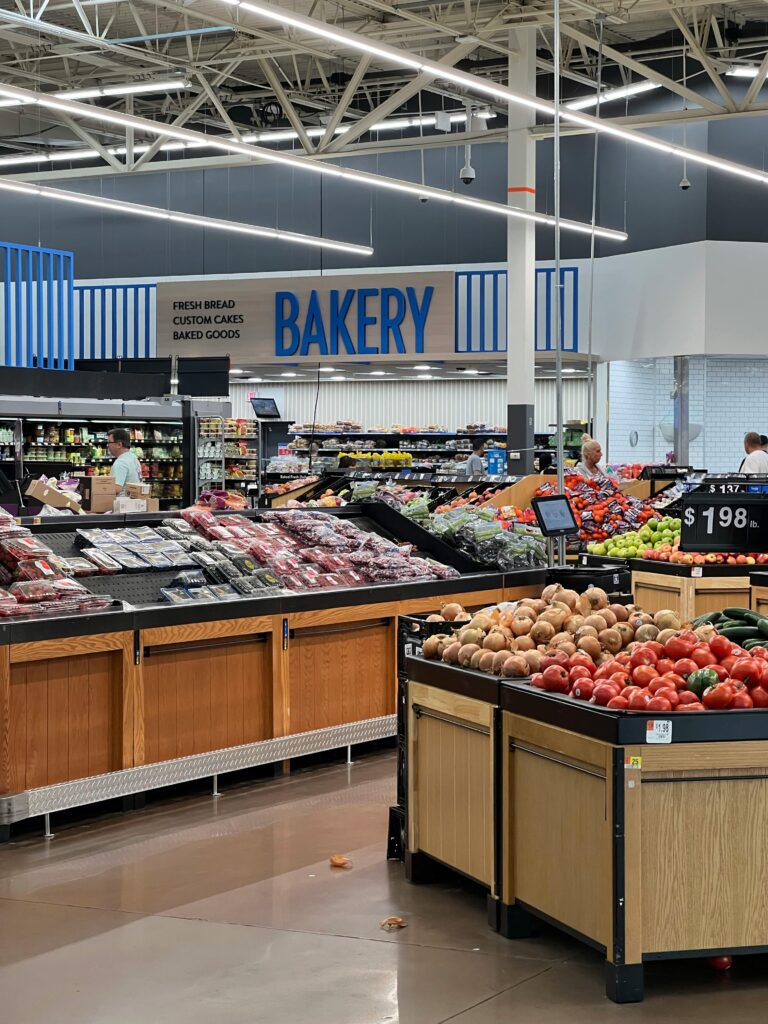
Kroger is one of the most influential and long-standing companies in the United States retail sector. Founded in 1883, Kroger has grown from a small grocery store in Cincinnati into the largest traditional supermarket chain in the country. With thousands of stores across multiple states, millions of customers every week, and a strong digital presence, Kroger plays a critical role in shaping how Americans buy food and everyday essentials.
From a business and finance perspective, Kroger is a fascinating case study. It operates in a highly competitive industry with thin margins, yet it consistently generates billions of dollars in revenue each year. The company balances physical retail, private-label brands, data-driven marketing, and digital innovation to remain relevant in a fast-changing marketplace.
This article provides a detailed and unique overview of Kroger’s business model, operational strategy, financial performance, competitive environment, technological investments, challenges, and future outlook in the United States.
Overview of Kroger’s Business Model
Kroger operates primarily as a grocery retailer, but its business model is far more diversified than a simple supermarket chain. The company generates revenue through multiple streams, including:
In-store grocery and household product sales
Fuel centers (gas stations)
Pharmacy services
Private-label brands
Digital sales and delivery services
Data and advertising services
Kroger’s strength lies in vertical integration. It owns manufacturing facilities, food processing plants, and distribution centers, which allows it to control costs and maintain consistent quality. This integrated supply chain reduces reliance on third parties and improves efficiency.
Another key element of Kroger’s model is its multi-brand strategy. Instead of operating under one single name, Kroger runs several regional brands, such as Ralphs, Fred Meyer, King Soopers, Fry’s, and Harris Teeter. This localized branding approach helps the company tailor its offerings to regional consumer preferences.
Market Position in the US Retail Industry
Kroger holds a dominant position in the US grocery market. It is often ranked as the largest traditional grocery retailer by revenue, ahead of competitors like Walmart (excluding Walmart’s overall retail dominance) and Amazon in grocery-specific operations.
Kroger’s scale gives it several competitive advantages:
Purchasing power – Large volumes allow Kroger to negotiate better deals with suppliers.
Brand recognition – Kroger is a trusted name in many American households.
Store network – Thousands of locations make it easily accessible.
Customer loyalty programs – Millions of users are enrolled in Kroger’s rewards ecosystem.
The US grocery industry is highly fragmented and competitive. Customers are price-sensitive and have many options, including discount stores, warehouse clubs, convenience stores, and online platforms. Despite this, Kroger continues to hold a strong market share due to its consistent focus on value, quality, and customer experience.
Revenue Streams and Sales Performance
Kroger generates most of its revenue from food and grocery sales. These include fresh produce, packaged foods, dairy, meat, frozen products, beverages, and household essentials.
In addition to traditional grocery items, Kroger also earns from:
1. Fuel Sales
Many Kroger stores operate fuel centers. These gas stations attract customers and increase foot traffic to nearby stores. Fuel margins are thin, but they strengthen customer loyalty.
2. Pharmacy and Health Services
Kroger runs in-store pharmacies that provide prescription drugs, vaccinations, and basic healthcare products. This segment is stable and profitable due to consistent demand.
3. Private-Label Brands
Kroger’s own brands, such as Simple Truth and Private Selection, generate higher profit margins than national brands. These products also build customer loyalty.
4. Digital and E-commerce
Online ordering, curbside pickup, and home delivery have become major growth drivers. Kroger has invested heavily in its digital infrastructure to compete with online-first retailers.
5. Advertising and Data Services
Kroger operates a retail media network that allows brands to advertise directly to shoppers using Kroger’s customer data. This data monetization strategy has become a fast-growing revenue stream.
Financial Performance and Key Metrics
Kroger consistently reports strong financial results, especially compared to other traditional retailers. Its financial stability comes from high-volume sales, efficient cost management, and diversified operations.
Revenue
Kroger’s annual revenue typically exceeds $130 billion, placing it among the largest companies in the United States by sales. Most of this revenue comes from grocery and food-related products.
Profit Margins
The grocery business operates on thin margins, usually between 1% and 3%. Kroger maintains profitability through:
Private-label products
Cost control and automation
Supply chain efficiency
High transaction volumes
Operating Income
Operating income reflects Kroger’s ability to manage expenses such as labor, logistics, marketing, and technology. Despite rising labor costs, Kroger remains financially resilient.
Cash Flow
Strong cash flow allows Kroger to invest in:
New store openings and renovations
Technology and automation
Debt repayment
Shareholder returns (dividends and buybacks)
Debt and Capital Structure
Kroger uses moderate levels of debt to finance expansion and acquisitions. Its stable cash flows make its debt manageable and relatively low-risk.
Cost Structure and Operational Efficiency
One of Kroger’s major strengths is cost efficiency. The company focuses on reducing waste, optimizing logistics, and improving productivity across its operations.
Key Cost Components:
Employee wages and benefits
Transportation and logistics
Store operations
Technology investments
Marketing and promotions
Kroger invests heavily in automation, especially in warehouses and fulfillment centers. Automated distribution systems reduce labor costs, improve speed, and minimize errors.
The company also uses advanced analytics to forecast demand, manage inventory, and reduce food waste. These practices improve profitability while supporting sustainability goals.
Role of Technology and Digital Transformation
Technology is central to Kroger’s modern business strategy. The company recognizes that the future of retail lies in data, personalization, and convenience.
Digital Initiatives:
Online Shopping Platforms
Customers can order groceries online for pickup or delivery, improving convenience.
AI and Data Analytics
Kroger uses artificial intelligence to personalize promotions and predict customer behavior.
Smart Pricing Systems
Dynamic pricing tools help optimize discounts and increase sales efficiency.
Automation and Robotics
Automated warehouses and robotics improve fulfillment speed.
Mobile Apps and Loyalty Programs
The Kroger app integrates digital coupons, rewards, and payment systems.
Technology not only improves customer experience but also lowers operating costs and increases long-term profitability.
Competitive Landscape
Kroger operates in one of the most competitive retail markets in the world. Its main competitors include:
Walmart (dominant in price leadership)
Amazon (strong in online grocery)
Costco (warehouse model)
Target (general merchandise with grocery)
Aldi and Lidl (discount grocery chains)
Each competitor has a unique advantage. Walmart competes on price, Amazon on convenience and technology, and Costco on bulk pricing. Kroger competes through a balance of price, quality, regional customization, and customer loyalty.
Kroger’s ability to adapt quickly to market trends has allowed it to maintain relevance despite intense competition.
Supply Chain and Distribution Strategy
Kroger operates one of the largest private supply chains in the US grocery sector. It owns and manages:
Distribution centers
Food manufacturing plants
Logistics fleets
This integrated system ensures:
Lower transportation costs
Better quality control
Faster product delivery
Reduced dependency on suppliers
Kroger’s supply chain also supports its private-label brands, allowing the company to control production from raw materials to store shelves.
Human Resources and Workforce
Kroger employs hundreds of thousands of workers across the United States, making it one of the largest private employers in the country.
Workforce Roles:
Store associates
Warehouse workers
Delivery drivers
Corporate staff
IT and data professionals
Labor is both a strength and a challenge for Kroger. While skilled employees improve customer service, rising wages and union agreements increase operating costs.
Kroger invests in employee training, health benefits, and career development to reduce turnover and improve productivity.
Corporate Strategy and Growth Initiatives
Kroger’s long-term strategy focuses on four main pillars:
Customer Experience – Better stores, digital platforms, and personalized services.
Cost Efficiency – Automation, analytics, and supply chain optimization.
Digital Expansion – E-commerce, data services, and AI.
Private Brands Growth – Higher-margin product lines.
The company also pursues acquisitions and partnerships to expand its market reach and technological capabilities.
Sustainability and ESG Performance
Environmental, social, and governance (ESG) factors are becoming increasingly important in business finance. Kroger has made commitments in areas such as:
Reducing food waste
Lowering carbon emissions
Sustainable packaging
Ethical sourcing
Community support programs
Sustainability initiatives not only improve brand image but also reduce long-term operational costs and regulatory risks.
Financial Risks and Challenges
Despite its strong position, Kroger faces several financial risks:
1. Thin Profit Margins
Grocery retail is low-margin, making Kroger vulnerable to cost increases.
2. Rising Labor Costs
Higher wages and benefits increase operating expenses.
3. Inflation
Rising food prices affect consumer spending patterns.
4. Competition from Online Retailers
Amazon and other digital platforms threaten traditional retail models.
5. Supply Chain Disruptions
Global events can impact product availability and logistics.
Kroger mitigates these risks through diversification, technology investments, and cost control strategies.
The Role of Data in Kroger’s Financial Success
One of Kroger’s most valuable assets is its customer data. Through loyalty programs, the company collects detailed information on shopping habits.
This data allows Kroger to:
Personalize promotions
Optimize product placement
Improve inventory management
Sell advertising services to brands
Data-driven decision-making has transformed Kroger from a traditional retailer into a technology-enabled company.
Investor Perspective and Shareholder Value
From an investor’s point of view, Kroger is considered a stable, defensive stock. It performs relatively well during economic downturns because food is a necessity.
Key Investor Benefits:
Consistent revenue
Dividend payments
Share buyback programs
Strong cash flow
Kroger’s predictable business model makes it attractive to long-term investors seeking stability rather than high-risk growth.
Future Outlook of Kroger in the USA
The future of Kroger depends on its ability to balance physical retail with digital innovation. Key trends shaping its future include:
Growth of online grocery shopping
Increased use of AI and automation
Expansion of private-label brands
Focus on health and wellness products
Greater emphasis on sustainability
Kroger’s strong financial base and willingness to invest in technology position it well for long-term success.
Conclusion
Kroger stands as a powerful example of how a traditional retail company can adapt and thrive in a modern, technology-driven economy. Its business model combines scale, efficiency, customer loyalty, and digital innovation.
From a financial perspective, Kroger demonstrates strong revenue generation, stable profitability, and effective capital management. Despite operating in a low-margin industry, the company continues to grow through strategic investments in technology, private brands, and data analytics.
In the broader US business landscape, Kroger is more than just a grocery store chain. It is a data-driven, customer-focused, and financially resilient enterprise that plays a vital role in the everyday lives of millions of Americans. As the retail industry continues to evolve, Kroger’s ability to innovate while maintaining operational efficiency will determine its success in the decades ahead.