Micro Camera: Technology, Applications, and Advantages
In the modern digital world, technology is becoming smaller, smarter, and more powerful. One of the most impressive examples of this trend is the micro camera. A micro camera is a compact, miniature-sized camera designed to capture images and videos while remaining discreet and easy to use. These cameras are widely used in security, healthcare, education, industry, law enforcement, and even in everyday personal life. Despite their tiny size, micro cameras offer high-quality imaging, advanced features, and significant advantages over traditional bulky cameras.
This article explores what micro cameras are, how they work, their main applications, and most importantly, their advantages in today’s technology-driven society.
What Is a Micro Camera?
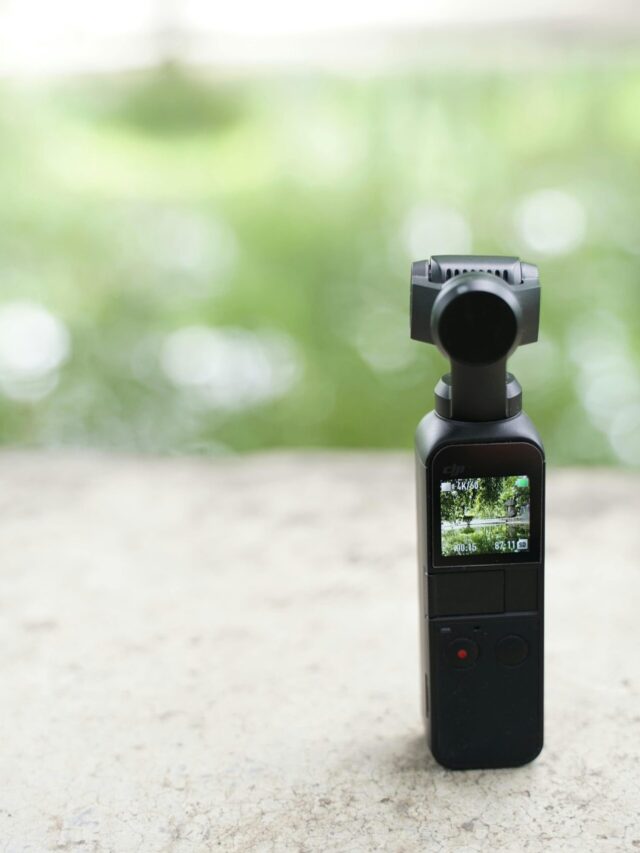
A micro camera is a very small camera device that can record video and sometimes audio. It typically measures just a few centimeters or even millimeters in size. Micro cameras can be wired or wireless and often include features such as night vision, motion detection, remote viewing, and storage via memory cards or cloud services.
Micro cameras are also known as mini cameras, spy cameras, or hidden cameras, depending on their design and usage. They are commonly integrated into everyday objects such as pens, buttons, glasses, clocks, smoke detectors, toys, and even wearable devices.
How Micro Cameras Work
Micro cameras work in a similar way to standard digital cameras but on a much smaller scale. They consist of the following main components:
Image Sensor – Captures light and converts it into digital data.
Lens – Focuses light onto the sensor.
Processor – Processes the image or video.
Storage Unit – Saves data on a memory card or internal storage.
Power Source – Usually a rechargeable battery.
Connectivity Module – Wi-Fi or Bluetooth for remote access.
Some micro cameras transmit data in real time to a smartphone, tablet, or computer, while others store footage locally.
Types of Micro Cameras
There are several types of micro cameras available, depending on their function:
1. Wired Micro Cameras
These are connected through cables to a recording or display device. They are commonly used in industrial inspections and medical procedures.
2. Wireless Micro Cameras
These operate using Wi-Fi or Bluetooth and allow remote viewing through apps. They are popular for home security.
3. Wearable Micro Cameras
These are built into clothing or accessories such as glasses, body cams, and badges.
4. Hidden or Spy Micro Cameras
Disguised as everyday objects like clocks, pens, or chargers for discreet recording.
5. Medical Micro Cameras
Used in endoscopy and surgical procedures to view internal organs.
Key Applications of Micro Cameras
Micro cameras are used in many sectors:
1. Home and Office Security
Micro cameras are widely used for surveillance. They help monitor homes, offices, shops, and warehouses discreetly.
2. Law Enforcement and Investigation
Police and investigators use micro cameras for undercover operations and evidence collection.
3. Healthcare and Medical Field
Doctors use micro cameras for endoscopy, minimally invasive surgeries, and diagnostics.
4. Education and Research
Used for recording experiments, lectures, and microscopic observations.
5. Industrial Inspections
Engineers use micro cameras to inspect machinery, pipelines, and narrow spaces.
6. Personal Use
People use them for travel vlogging, pet monitoring, babysitting, and personal safety.
Advantages of Micro Cameras
The popularity of micro cameras comes from their numerous benefits. Below are the main advantages in detail:
1. Compact and Portable
The biggest advantage of micro cameras is their small size. They are extremely lightweight and easy to carry anywhere. You can place them in pockets, bags, or even mount them on walls without attracting attention.
This portability makes them perfect for mobile users, travelers, journalists, and security professionals.
2. Discreet Surveillance
Micro cameras allow hidden monitoring. Because of their tiny design, they can be easily concealed inside everyday objects. This makes them ideal for:
Detecting theft or unauthorized access
Monitoring suspicious activities
Protecting valuable assets
Their discreet nature ensures that subjects are not aware they are being recorded, which leads to more natural and accurate footage.
3. Easy Installation
Unlike traditional CCTV systems that require complex wiring and professional installation, micro cameras are easy to install. Most models are plug-and-play and can be set up in minutes.
Wireless micro cameras only need a Wi-Fi connection and a smartphone app, making them accessible even for non-technical users.
4. Cost-Effective
Micro cameras are generally more affordable than large security camera systems. They offer advanced features at a lower price, making them suitable for individuals, small businesses, and startups.
Low maintenance costs also make them economically efficient in the long term.
5. High-Quality Video and Images
Despite their small size, modern micro cameras can record in HD, Full HD, and even 4K resolution. Advanced lenses and sensors allow them to capture clear images with accurate colors and details.
Some also include features like:
Auto focus
Wide-angle lenses
Image stabilization
This makes micro cameras reliable for professional use as well.
6. Night Vision Capability
Many micro cameras come with infrared (IR) LEDs for night vision. This allows them to record in complete darkness, making them suitable for 24/7 surveillance.
Night vision is especially useful for security monitoring, wildlife observation, and law enforcement.
7. Motion Detection
Micro cameras often include motion sensors that activate recording only when movement is detected. This saves storage space and battery life.
Motion detection also provides real-time alerts, enabling users to respond quickly to any unusual activity.
8. Remote Monitoring
With Wi-Fi-enabled micro cameras, users can monitor live footage from anywhere using smartphones or computers. This is extremely helpful for:
Parents monitoring children
Business owners checking stores
Homeowners traveling abroad
Remote access increases convenience and peace of mind.
9. Energy Efficient
Micro cameras consume less power compared to traditional cameras. They are designed to operate for long hours on small batteries.
Some models even support power-saving modes and solar charging, making them eco-friendly.
10. Versatile Usage
Micro cameras are highly versatile and can be used in multiple fields, including:
Security and surveillance
Medical diagnostics
Journalism and media
Industrial inspections
Sports and adventure recording
This versatility increases their overall value.
11. Improved Safety and Security
By enabling real-time monitoring, micro cameras enhance personal and public safety. They help prevent crimes, provide evidence, and support emergency response.
In workplaces, micro cameras reduce risks by monitoring hazardous environments.
12. Data Storage Options
Micro cameras support multiple storage options such as:
Micro SD cards
Internal memory
Cloud storage
Users can choose according to their needs, ensuring data security and accessibility.
13. Minimal Space Requirement
Micro cameras require very little space, making them ideal for small rooms, vehicles, elevators, and narrow areas.
They can be installed where normal cameras cannot fit.
14. Real-Time Communication
Some micro cameras support two-way audio, allowing users to speak and listen through the device. This is useful for:
Communicating with family members
Warning intruders
Guiding employees
15. Support for Smart Homes
Micro cameras can integrate with smart home systems such as Alexa, Google Assistant, and smart alarms. This makes home automation more efficient and intelligent.
Limitations of Micro Cameras
While micro cameras have many advantages, they also have some limitations:
Smaller batteries mean limited recording time
Storage capacity may be restricted
Privacy and legal concerns if misused
Lower performance in extreme lighting compared to professional cameras
However, these limitations are constantly being improved with technological advancements.
Ethical and Legal Considerations
Using micro cameras responsibly is important. In many countries, recording someone without their consent is illegal. Micro cameras should only be used for legal and ethical purposes, such as security, safety, or authorized monitoring.
Users should always respect privacy laws and avoid misuse.
Future of Micro Cameras
The future of micro cameras looks very promising. With developments in artificial intelligence (AI), micro cameras are becoming smarter. Future micro cameras may include:
Facial recognition
Emotion detection
Automatic threat analysis
AI-based video analytics
They may also become smaller, more powerful, and more energy-efficient.
Conclusion
Micro cameras represent a major innovation in modern technology. Their small size, high performance, affordability, and versatility make them one of the most useful devices in today’s digital world. From home security and medical applications to industrial inspections and personal safety, micro cameras offer countless benefits.
The main advantages of micro cameras include portability, discreet monitoring, easy installation, high-quality recording, remote access, night vision, and cost efficiency. These features make them an essential tool for individuals, businesses, and professionals alike.
As technology continues to evolve, micro cameras will become even more advanced, intelligent, and widely used. When used responsibly and legally, they play a vital role in improving safety, efficiency, and connectivity in our everyday lives.