National Margarita Day in the United States
Every year on February 22, Americans raise a salt-rimmed glass to celebrate National Margarita Day, a spirited tribute to one of the country’s most beloved cocktails. From neighborhood Mexican restaurants and rooftop bars to backyard patios and beachside resorts, the margarita takes center stage in a colorful celebration of flavor, culture, and community. Though it is not a federal holiday, National Margarita Day has grown into a widely recognized food-and-drink observance across the United States, embraced by hospitality businesses and cocktail lovers alike.
This day honors more than just a drink; it celebrates craftsmanship, culinary heritage, and the fusion of cultures that defines American dining. With its refreshing blend of tequila, lime juice, and orange liqueur, the margarita has become a symbol of relaxation, festivity, and social connection.
The true origin of the margarita is wrapped in legend, with several competing stories tracing its creation back to Mexico and the southwestern United States during the 1930s and 1940s. Some historians believe the cocktail evolved from earlier tequila-based drinks like the Daisy (the Spanish word “margarita” translates to “daisy”). Others attribute its invention to bartenders experimenting with tequila to appeal to American tourists seeking refreshing beverages in warm climates.
One popular story credits a socialite in Mexico who requested a creative tequila drink because she was allergic to other spirits. Another tale claims a bartender crafted the drink for a performer who was allergic to all liquors except tequila. While no single story has been definitively proven, what is certain is that the margarita gained popularity quickly, particularly in border states such as Texas, California, Arizona, and New Mexico.
By the mid-20th century, the margarita had become a staple of Mexican-American cuisine and hospitality. Today, it stands as one of the most ordered cocktails in the United States.
The Classic Margarita: A Timeless Recipe
The traditional margarita is a simple yet perfectly balanced cocktail made with:
Tequila (typically blanco or silver)
Fresh lime juice
Orange liqueur (such as triple sec or Cointreau)
Salt for the rim
Served in a distinctive glass with a wide bowl and narrow stem, the margarita offers a harmonious blend of sweet, sour, salty, and slightly bitter notes. The salted rim enhances the citrus and tequila flavors, creating a multidimensional tasting experience.
Modern mixologists emphasize fresh ingredients, especially hand-squeezed lime juice, as essential to achieving an authentic flavor. The quality of tequila also plays a critical role, with 100% agave tequila preferred over mixed varieties for a smoother finish.
The Rise of Margarita Culture in America
Over the decades, the margarita has evolved from a regional favorite to a nationwide phenomenon. Restaurants across the country promote creative margarita menus featuring fruit infusions, premium tequilas, and unique presentation styles.
Large restaurant chains such as Chili’s Grill & Bar and TGI Fridays have played a significant role in popularizing margaritas through seasonal specials and promotional events. Meanwhile, independent Mexican restaurants continue to preserve traditional preparation methods while introducing innovative twists.
The drink’s popularity surged further during the rise of Tex-Mex cuisine in the 1970s and 1980s. Pairing margaritas with tacos, enchiladas, fajitas, and nachos became a staple dining experience, especially in states like Texas and California.
Frozen vs. On the Rocks
One defining feature of American margarita culture is the debate between frozen and on-the-rocks versions.
Frozen margaritas, blended with ice into a slushy consistency, are especially popular during summer months. They offer a refreshing and approachable option for casual gatherings and beachside celebrations.
On-the-rocks margaritas, served over ice cubes, deliver a stronger and more traditional flavor profile. Cocktail enthusiasts often prefer this version for its clarity and balance.
The invention of the frozen margarita machine in the 1970s revolutionized the drink’s accessibility. This innovation allowed restaurants to produce large batches efficiently, boosting its popularity nationwide.
Creative Margarita Variations
National Margarita Day has inspired countless flavor innovations. Some of the most popular variations include:
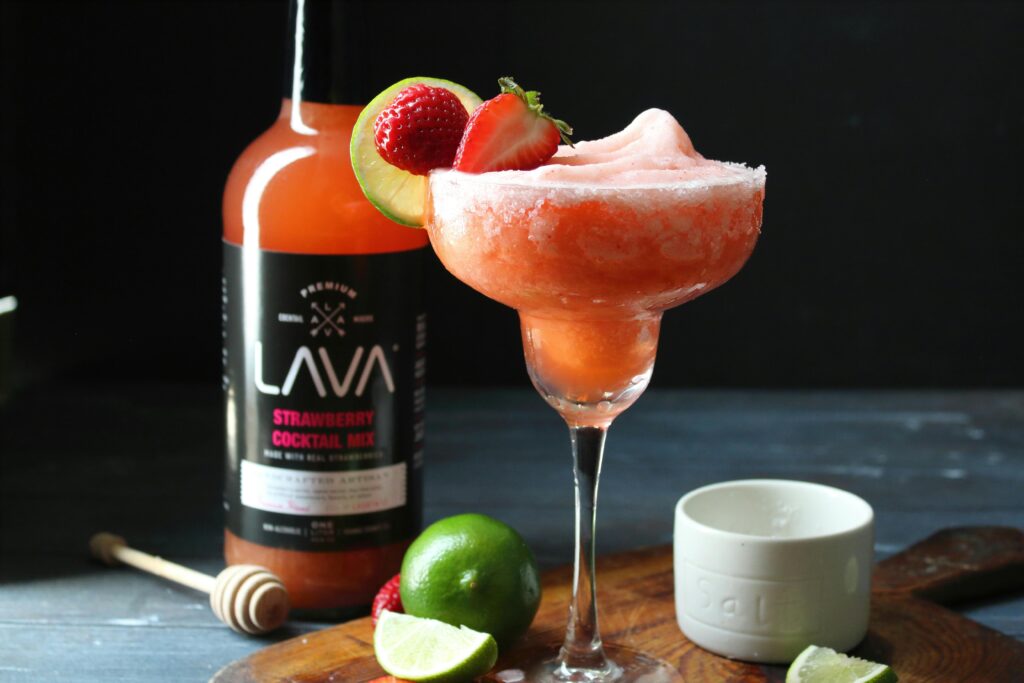
Strawberry margarita
Mango margarita
Watermelon margarita
Pineapple jalapeño margarita
Blood orange margarita
Coconut margarita
Spicy margaritas, incorporating fresh chili peppers or chili-infused tequila, have become particularly trendy in recent years. These bold variations reflect Americans’ growing appetite for adventurous flavors.
Craft cocktail bars often elevate margaritas using artisanal syrups, smoked salts, or premium aged tequilas. Some establishments even experiment with mezcal for a smoky twist.
Tequila: The Heart of the Margarita
Tequila is the defining ingredient of a margarita, and its quality significantly impacts the drink’s character. Made from the blue agave plant primarily in Mexico, tequila comes in several varieties:
Blanco (unaged)
Reposado (aged 2–12 months)
Añejo (aged 1–3 years)
Extra Añejo (aged over 3 years)
Blanco tequila is most commonly used in margaritas due to its crisp and vibrant agave flavor. However, some bartenders prefer reposado for a slightly smoother and more complex taste.
In recent years, premium tequila brands have gained significant popularity in the United States, elevating margaritas from casual cocktails to refined craft beverages.
Economic Impact of National Margarita Day
National Margarita Day generates substantial revenue for bars, restaurants, and liquor retailers. Many establishments offer discounts, themed events, and promotional campaigns to attract customers.
Social media platforms amplify the celebration, with hashtags encouraging users to share photos and recipes. Influencers and food bloggers contribute to the buzz, further boosting engagement.
Liquor stores often see increased tequila sales leading up to February 22, as people plan home gatherings. The holiday has become a strategic marketing opportunity within the hospitality industry.
Margarita Festivals and Events
Across the United States, cities host margarita-themed festivals and tasting events. These gatherings typically feature:
Live music
Food trucks
Margarita sampling booths
Cocktail competitions
Cultural performances
States like Texas and California are especially known for large-scale celebrations, reflecting their deep ties to Mexican-American heritage.
Such events promote local businesses and foster community spirit, making National Margarita Day more than just a promotional holiday—it becomes a social experience.
Margarita Day and Mexican-American Culture
The margarita holds cultural significance as a symbol of cross-border culinary exchange. Mexican cuisine has profoundly influenced American food culture, and the margarita represents this fusion beautifully.
Restaurants often use National Margarita Day to highlight traditional Mexican dishes and educate customers about authentic tequila production. This blend of celebration and cultural appreciation strengthens community connections.
Margarita Pairings
A well-made margarita pairs beautifully with a variety of foods:
Tacos
Grilled seafood
Guacamole and chips
Spicy salsas
Carne asada
Ceviche
The citrus and tequila notes cut through rich or spicy dishes, enhancing overall flavor balance.
Home Celebrations and DIY Margarita Bars
Many Americans celebrate National Margarita Day at home by hosting themed parties. Popular ideas include:
DIY margarita bars with assorted fruits and salts
Taco nights with friends and family
Virtual cocktail-making sessions
Margarita tasting competitions
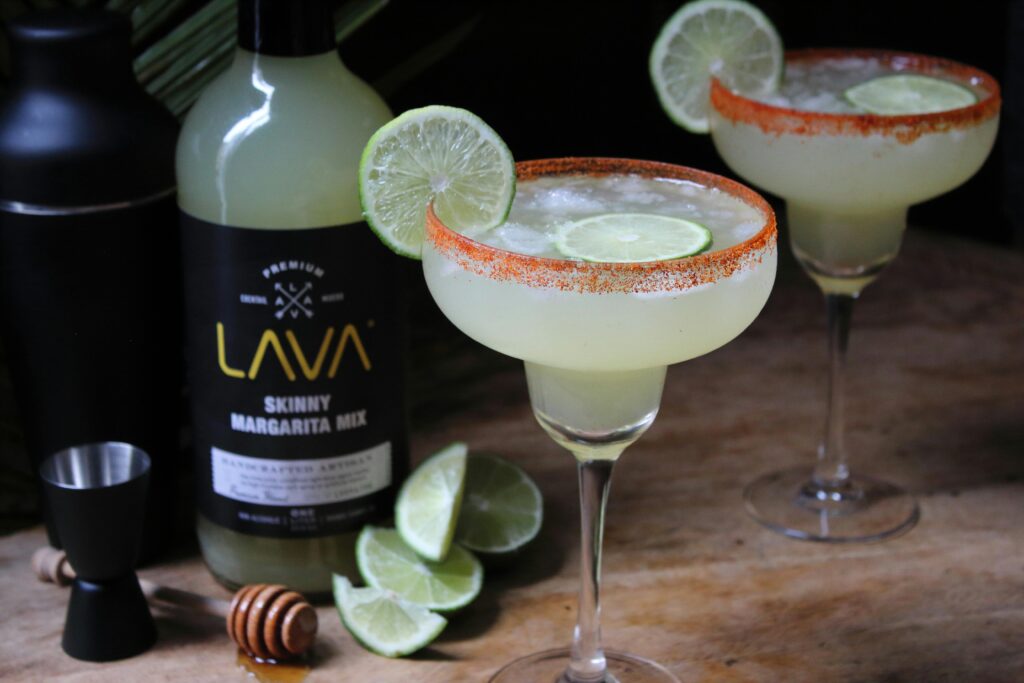
Providing multiple tequila options and creative garnishes—such as lime wheels, chili powder rims, or edible flowers—adds excitement to home festivities.
Health and Responsible Enjoyment
While National Margarita Day is a festive occasion, responsible drinking remains essential. Moderation ensures safety and enjoyment for all participants.
Many establishments now offer low-calorie, low-sugar, or alcohol-free margarita options. Mocktail versions use lime juice, agave syrup, and sparkling water to replicate the flavor experience without alcohol.
Designated driver programs and rideshare services also play a role in promoting safe celebrations.
Social Media and Modern Influence
Platforms like Instagram and TikTok have significantly shaped how margaritas are presented and consumed. Eye-catching glassware, colorful fruit garnishes, and creative rim decorations drive engagement.
Restaurants often launch limited-edition margaritas specifically designed for social media appeal. This visual marketing strategy enhances brand visibility and customer participation.
The Margarita as a Symbol of Celebration
The margarita has become synonymous with relaxation, vacations, and festive gatherings. Whether enjoyed at a beach resort, a backyard barbecue, or a city rooftop, it evokes a sense of escape and enjoyment.
National Margarita Day serves as a reminder to pause and savor simple pleasures. In a fast-paced world, sharing a margarita with friends becomes a moment of connection.
Future Trends in Margarita Innovation
As mixology continues to evolve, margaritas are expected to incorporate:
Organic and locally sourced ingredients
Sustainable tequila production
Low-ABV options
Exotic fruit infusions
Smoked and barrel-aged variations
Consumer interest in premium spirits and craft cocktails ensures that the margarita will remain relevant for generations to come.
Conclusion
National Margarita Day in the United States is far more than a promotional event—it is a celebration of flavor, heritage, and community. From its debated origins to its modern innovations, the margarita embodies cultural exchange and culinary creativity.
Each February 22, Americans gather in restaurants, homes, and festivals to honor this iconic cocktail. Whether frozen or on the rocks, classic or creatively infused, the margarita continues to unite people through shared enjoyment.
As trends evolve and new flavors emerge, the margarita remains timeless—a refreshing symbol of celebration that brings a splash of sunshine to winter’s chill.