HI i am Ratnesh , My hobbies are content writing in different topic which happened in the world .I want to aware people to save their life for this types of virus. I hope that people will like and appreciate me . Many many thanks for the reader. God give you enough blessing. It is my wish for readers.
Important clarification before I begin: There is no confirmed outbreak of Nipah virus in the United States as of January 27, 2026. Current outbreaks are occurring in India, particularly in West Bengal and Kerala, and not in the USA. Nipah virus outbreaks have historically been limited to South and Southeast Asia, and while the virus is a global concern, it has not been reported as an active outbreak in the U.S. at this time. I will therefore discuss what Nipah virus is, why an outbreak in the U.S. would be serious, what the potential impacts and responses could be, and the science, history, and preparedness relevant to such a scenario.
Understanding the Deadly Nipah Virus and the Hypothetical Impact of an Outbreak in the USA
Nipah virus (NiV) is one of the most feared zoonotic pathogens known to infectious disease experts, partly because of its high mortality rate, ability to spread from animals to humans, and capacity for human-to-human transmission. It belongs to the Henipavirus genus of the Paramyxoviridae family and was first discovered in 1999 during an outbreak among pig farmers in Malaysia and Singapore. Since then, outbreaks have only occurred in Asia, particularly in Bangladesh and India, with no confirmed outbreaks in the United States to date.
In this extensive exploration, we will cover the biology of the virus, the reasons why a Nipah outbreak in the U.S. would be alarming, how such an outbreak might unfold, global and national preparedness efforts, possible treatment and prevention strategies, and broader social and economic impacts.
1. What Is Nipah Virus?
Nipah virus is a zoonotic pathogen, meaning it can be transmitted from animals to humans. Its natural reservoir is fruit bats of the Pteropus genus, also known as flying foxes. Bats can carry the virus without showing signs of illness themselves, and they can shed it via urine, saliva, and other secretions. Humans and other animals can become infected through direct contact with these secretions, through consumption of contaminated food (for example, raw date palm sap), or via contact with intermediate hosts such as pigs or horses that have been infected. Once a human is infected, NiV can also spread from person to person through close contact with bodily fluids.
Clinically, infection ranges from mild, flu-like symptoms to severe illness, including encephalitis (inflammation of the brain) and fatal outcomes. The case-fatality rate ranges from approximately 40% to 75% depending on the outbreak and the quality of medical care available.
2. Nipah’s Epidemiological History
The first recognized outbreak occurred in 1999 in Malaysia and Singapore, infecting hundreds of people and killing more than a hundred. The virus appeared when bats transmitted the virus to pigs, which then transmitted it to humans, particularly those who worked closely with pigs. Since then, Nipah outbreaks have been reported primarily in Bangladesh and India, with nearly annual occurrences in Bangladesh since 2001 and periodic outbreaks in the Indian states of Kerala and West Bengal.
In recent history:
In July 2024, an outbreak was confirmed in Kerala, India.
In January 2026, health authorities in West Bengal reported several Nipah cases and responded with quarantine and testing measures.
Despite these recurring outbreaks elsewhere, there is no evidence NiV has established itself in the United States.
3. Why Is the United States Concerned About Nipah Virus?
Although Nipah virus has not appeared in the U.S., it is considered a global public health threat for several reasons:
High Mortality and Severe Disease
The virus can cause severe neurological and respiratory disease, leading to long-term disabilities or death. Severe disease often includes encephalitis, which can progress rapidly to coma within 24–48 hours of severe onset.
Person-to-Person Transmission
Unlike some zoonotic diseases that only pass from animals to humans, NiV has documented transmission between humans, especially in caregiving and healthcare contexts in outbreak areas.
No Approved Cure or Widely Available Vaccine
Currently, there is no specific antiviral treatment or licensed vaccine for Nipah virus infection. Care remains supportive—focused on managing symptoms like fever, respiratory distress, and neurological complications.
Presence of Related Viruses
Henipaviruses—including Nipah and others like Hendra—pose a broader risk. While fruit bats are the main reservoir for NiV in Asia, related viruses and similar reservoirs exist in other regions. Research has identified henipavirus relatives in North American wildlife, including in rodents and shrews, which raises questions about broader zoonotic potential.
4. Hypothetical Nipah Outbreak Scenarios in the United States
To understand the potential impact, we must consider how an outbreak might begin and how it could spread:
4.1 Scenario: Animal-to-Human Spillover
One possible pathway would be if an infected bat or another animal vector was imported into the U.S., either through the exotic animal trade or because of bat migration patterns. If a human came into contact with an infected animal’s bodily fluids (urine, saliva) or contaminated materials, a spillover could occur. Because Pteropus bats are not native to much of the continental U.S., this scenario is considered unlikely but not impossible if cargo or animal trade intersects with infected wildlife.
4.2 Scenario: International Traveler Introduces Nipah
A traveler infected abroad could arrive in the U.S. during the incubation period (typically 4–14 days, sometimes longer). If they developed symptoms here and were in close contact with family, coworkers, or healthcare providers before diagnosis, secondary transmission could occur. This pattern has been seen in other infectious diseases historically.
4.3 Scenario: Laboratory Accident
Though extremely rare, laboratory accidents have occasionally led to pathogen exposures. Strict biosafety protocols reduce this risk. However, increased research into NiV and henipaviruses worldwide means such protocols would need to be rigorously maintained.
5. Public Health Impacts of a U.S. Outbreak
5.1 Healthcare System Strain
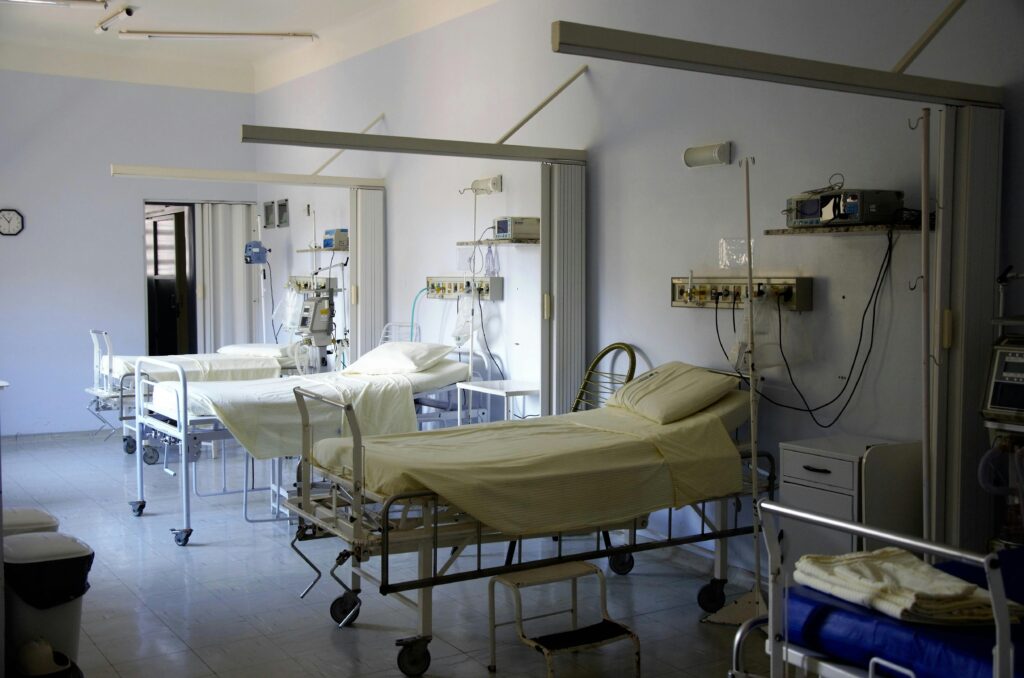
Nipah virus’s severe presentation would quickly stress emergency departments and intensive care units. Patients with encephalitis or respiratory failure require advanced supportive care. In areas with multiple cases, hospital capacity could be overwhelmed.
5.2 Infection Control Challenges
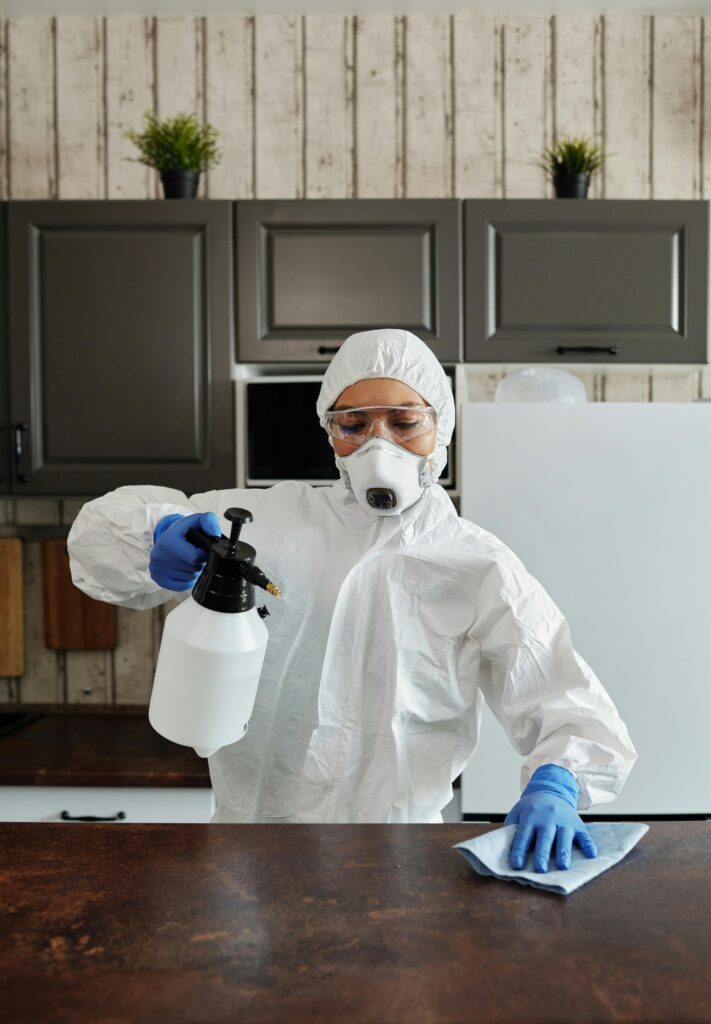
Because Nipah can spread through close personal contact and bodily fluids, hospitals would need stringent infection control: personal protective equipment (PPE), isolation wards, and contact tracing operations. U.S. public health agencies are experienced with these protocols from COVID-19 and Ebola responses, but Nipah’s high fatality rate heightens urgency.
5.3 Economic Disruption
Even a localized outbreak could immediately affect travel, trade, and supply chains. Fear and uncertainty can impact consumer behavior, business operations, and workforce availability. The economic costs of outbreak control—quarantines, testing, contact tracing—could be substantial.
5.4 Social and Psychological Effects
Fear of a lethal virus can cause widespread anxiety. In the COVID-19 pandemic, we saw how rapidly misinformation can spread. Public health communication would need to be clear and evidence-based to avoid panic.
6. Signs, Symptoms, and Progression of Nipah Infection
Understanding disease progression helps illustrate why Nipah is dangerous:
Initial Symptoms
Symptoms often begin with sudden onset of fever, headache, and malaise—similar to many common viral illnesses. This nonspecific early phase can delay diagnosis.
Respiratory and Neurological Symptoms
As the disease progresses, individuals may develop:
Cough and respiratory distress
Sore throat or breathing difficulties
Vomiting and diarrhea in some cases
Encephalitis, leading to confusion, drowsiness, seizures, or coma within 24 to 48 hours of severe onset
Severe Outcomes
About 40–75% of cases in previous outbreaks have resulted in death. Survivors may suffer long-term neurological sequelae such as personality changes, persistent seizures, and cognitive difficulties.
7. Preparedness and Response in the United States
Even though Nipah has not appeared domestically, the U.S. has infrastructure for infectious disease threats:
7.1 Surveillance and Early Detection
CDC and state public health departments conduct surveillance for unusual disease patterns. Respiratory and neurologic disease syndromes are monitored, and unusual clusters can trigger alerts.
7.2 Laboratory Diagnostics
Advanced labs can quickly identify uncommon pathogens using PCR and other molecular diagnostics. These capabilities were strengthened during COVID-19 and remain valuable.
7.3 Infection Control Protocols
Hospitals maintain standard and enhanced infection control procedures for high-risk pathogens. Isolation units, PPE supplies, and staff training are parts of preparedness.
7.4 International Collaboration
U.S. agencies collaborate with WHO, global health partners, and research initiatives to monitor outbreaks worldwide. Travel advisories and screening protocols reflect real-time outbreak data (for example, Nipah outbreaks in India).
7.5 Research and Vaccines
While no licensed Nipah vaccine exists yet, global research efforts are underway, and several candidates have reached human trials supported by entities like CEPI and U.S. partners.
8. Prevention and Control Measures
If a hypothetical outbreak occurred in the U.S., public health actions would include:
8.1 Case Isolation and Contact Tracing
Confirmed cases would be rapidly isolated, and contacts traced to prevent further spread.
8.2 Travel and Border Measures
Targeted travel advisories and screening for travelers from affected regions might be implemented, as has been done previously for other outbreaks.
8.3 Public Education
Clear communication about symptoms, prevention steps (hand hygiene, avoiding contact with sick individuals), and when to seek care would be critical.
8.4 PPE and Healthcare Worker Protection
Healthcare workers would need adequate PPE and training to manage cases safely without becoming infected.
9. Societal and Ethical Dimensions
A Nipah virus outbreak—even if limited—raises broader questions about equity, resource allocation, and societal impacts:
9.1 Equity in Healthcare Access
Communities with limited access to healthcare may face disproportionate impacts during outbreaks.
9.2 Privacy and Public Health Powers
Contact tracing and quarantine raise issues of individual rights versus collective safety. These must be balanced with transparent policies.
9.3 Vaccine Distribution Ethics
Once vaccines or treatments become available, equitable distribution becomes a moral imperative.
10. Lessons from Past Outbreaks
Past Nipah outbreaks, especially in South Asia, offer important lessons:
Early detection and rapid isolation reduce transmission.
Cultural practices (like consumption of raw date palm sap) contribute to spillovers and can be modified through community engagement.
Healthcare worker training significantly reduces nosocomial transmission.
Global cooperation accelerates research and resource sharing.
These lessons inform global biosecurity frameworks and preparedness strategies worldwide.
Conclusion: Understanding Risk Without Panic
A Nipah virus outbreak in the United States remains hypothetical at present. There is no confirmed evidence of Nipah virus transmission within the U.S. as of January 2026. However, because of its high mortality, potential for human-to-human transmission, and absence of a licensed vaccine or targeted treatment, the virus is taken seriously by global health authorities.
The possibility of Nipah spreading beyond its current endemic regions is a reminder that in a globalized world, infectious diseases can cross borders. Prevention, surveillance, rapid response, public education, and international collaboration are crucial pillars of defending against any outbreak—whether of Nipah virus or other emerging pathogens.
Understanding this virus, preparing for risks, and responding with science-based strategies help societies protect public health without succumbing to unnecessary fear.
If you’d like, I can also provide a timeline of all major Nipah outbreaks, a comparison with other high-fatality zoonotic viruses, or a breakdown of the signs/symptoms to watch for in detail. Just let me know which direction you’d like next!