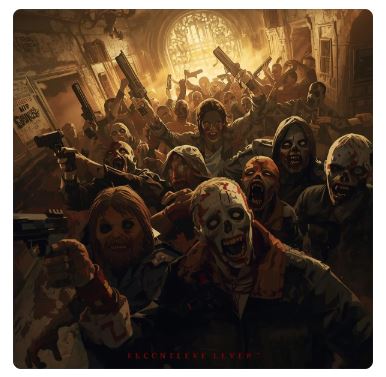
Resident Evil Games in the USA: A Complete Guide to the Legendary Survival Horror Franchise
The Resident Evil game series is one of the most influential and successful video game franchises in the United States. Since its debut in the mid-1990s, Resident Evil has shaped the survival horror genre, introduced iconic characters, and built a massive fan base across America. From early PlayStation classics to modern high-definition remakes and next-generation titles, Resident Evil games continue to dominate the U.S. gaming market.
This article explores the history, evolution, gameplay styles, major titles, cultural impact, sales success, and future of Resident Evil games in the USA, offering a comprehensive look at why the franchise remains a powerhouse in American gaming culture.
Origins of Resident Evil and Its Arrival in the USA
Resident Evil, known as Biohazard in Japan, was developed and published by Capcom. The first game launched in 1996 for the PlayStation and arrived in the United States the same year. American gamers were immediately drawn to its dark atmosphere, cinematic storytelling, and intense survival mechanics.
The original Resident Evil introduced players to Raccoon City, a fictional U.S. town plagued by a viral outbreak caused by the sinister Umbrella Corporation. The game’s U.S. setting helped American audiences connect deeply with the story, making it feel more immersive and relatable.
In the USA, Resident Evil quickly gained a cult following, thanks to word-of-mouth, gaming magazines, and rental stores that allowed players to experience the game’s terrifying suspense.
Survival Horror Redefined for American Gamers
Before Resident Evil, horror games in the U.S. market were niche and experimental. Resident Evil redefined the genre by combining:
- Limited ammunition and resources
- Fixed camera angles that heightened tension
- Puzzle-solving mechanics
- Cinematic cutscenes
- Mature themes appealing to older players
This approach resonated strongly with American gamers, especially teenagers and young adults looking for darker, more intense gaming experiences. Resident Evil became a defining example of survival horror in the U.S., influencing countless future titles.
Resident Evil 2 and the Explosion of Popularity in the USA
Released in 1998, Resident Evil 2 marked a major turning point for the franchise in the United States. Set in Raccoon City during a full-scale outbreak, the game introduced beloved characters Leon S. Kennedy and Claire Redfield.
In the U.S. market, Resident Evil 2 was praised for:
- Improved graphics and sound design
- Dual-scenario gameplay
- Stronger storytelling
- More emotional character arcs
American gaming outlets widely regarded it as one of the greatest games of its era. Its success cemented Resident Evil as a mainstream franchise across the USA.
Expansion of the Series and U.S. Market Growth
Resident Evil 3: Nemesis
Released in 1999, Resident Evil 3: Nemesis continued the Raccoon City storyline. The relentless Nemesis enemy became one of the most terrifying villains in gaming history, especially memorable for American players.
The game’s faster pace appealed to U.S. audiences who wanted more action while maintaining horror elements.
Resident Evil Code: Veronica
Launched on the Sega Dreamcast and later on PlayStation 2, Code: Veronica gained popularity in the USA for its cinematic presentation and deeper lore. It expanded the Umbrella Corporation storyline and further developed the Redfield family arc.
Resident Evil 4: A Revolutionary Moment in the USA
Resident Evil 4, released in 2005, is widely considered one of the greatest video games ever made, particularly in the United States. The game reinvented the franchise with:
- Over-the-shoulder third-person shooting
- More action-oriented gameplay
- Advanced AI enemies
- A rural European setting
Although the setting moved away from the USA, American gamers embraced the changes. Resident Evil 4 influenced countless U.S. developers and reshaped third-person shooter design across the industry.
In the U.S., the game achieved massive commercial success and received near-perfect review scores.
Action Era and Mixed Reactions in the USA
Resident Evil 5
Released in 2009, Resident Evil 5 leaned heavily into action gameplay and cooperative multiplayer. In the USA, it became one of the best-selling Resident Evil games, especially on PlayStation 3 and Xbox 360.
American players appreciated:
- Co-op play
- High-definition graphics
- Fast-paced combat
However, some fans criticized the reduced horror elements, sparking debates within the U.S. gaming community.
Resident Evil 6
Resident Evil 6 continued the action trend and featured multiple campaigns. While it sold well in the United States, critical reception was mixed. Many American fans felt the series had drifted too far from its survival horror roots.
Return to Horror: Resident Evil 7 in the USA
In 2017, Capcom made a bold move with Resident Evil 7: Biohazard, returning to pure horror. Set in rural Louisiana, the game’s U.S. location played a major role in its success with American audiences.
Key features included:
- First-person perspective
- Psychological horror
- A grounded, intimate story
- Virtual reality (VR) support
Resident Evil 7 was praised across the USA for revitalizing the franchise and delivering one of the scariest gaming experiences in years.
Resident Evil Village and Modern Success in America
Resident Evil Village (Resident Evil 8) launched in 2021 and built upon the foundation of Resident Evil 7. While set in Eastern Europe, it maintained strong popularity in the United States.
American gamers praised:
- Diverse enemy design
- Balanced action and horror
- Advanced graphics on next-gen consoles
- Memorable characters like Lady Dimitrescu
The game performed exceptionally well in the U.S. market, proving the franchise’s continued relevance.
Resident Evil Remakes and Their Impact in the USA
Capcom’s strategy of remaking classic Resident Evil games has been extremely successful in the United States.
Resident Evil 2 Remake
Released in 2019, the Resident Evil 2 remake was a massive hit with American gamers. It modernized the classic while preserving its horror essence. U.S. critics and players praised its visuals, gameplay, and faithfulness to the original.
Resident Evil 3 Remake
Although shorter, the remake of Resident Evil 3 sold strongly in the U.S., fueled by nostalgia and modern graphics.
Resident Evil 4 Remake
The Resident Evil 4 remake became a blockbuster release in the United States, appealing to both long-time fans and new players. It reinforced the franchise’s dominance in the American gaming industry.
Cultural Impact of Resident Evil in the USA
Resident Evil has had a significant cultural impact in the United States beyond gaming:
- Inspired Hollywood movies and reboots
- Influenced American horror game design
- Became a staple of gaming conventions and cosplay
- Created iconic characters recognized by U.S. audiences
Characters like Leon Kennedy, Jill Valentine, Chris Redfield, and Ada Wong are household names among American gamers.
Resident Evil Esports, Streaming, and Online Communities in the USA
While not a traditional esports title, Resident Evil has a strong presence on streaming platforms in the United States. Speedrunning, challenge runs, and VR playthroughs are popular among American content creators.
U.S. gaming communities actively discuss:
- Lore theories
- Speedrun strategies
- Modding on PC
- Ranking games in the series
This strong online presence keeps the franchise relevant year after year.
Sales and Commercial Success in the U.S. Market
The United States remains one of the largest markets for Resident Evil games. Many titles have sold millions of copies in America alone, contributing significantly to Capcom’s global revenue.
Factors behind U.S. success include:
- Strong console adoption
- Mature audience interest in horror
- Nostalgia for classic titles
- Consistent quality and innovation
Resident Evil titles are in development, and American fans eagerly await new announcements. Rumors and expectations include:
The Future of Resident Evil Games in the USA
Your Attractive Heading
- New mainline entries
- Additional remakes
- Expanded VR experiences
- Deeper storytelling
Given the franchise’s strong foundation in the United States, future releases are expected to perform exceptionally well.
Why Resident Evil Remains Popular in the USA
Resident Evil’s continued popularity in the USA can be attributed to:
- Adaptability across generations
- Balance of horror and action
- Strong storytelling
- Memorable characters
- Technical innovation
The franchise evolves while respecting its roots, a balance that American gamers deeply appreciate.
Resident Evil Games in the USA: A Complete and In-Depth Guide
The Resident Evil game series stands as one of the most influential and enduring franchises in the history of video games. In the United States, Resident Evil has shaped the survival-horror genre, influenced American pop culture, and built a massive fan base spanning multiple generations of gamers. Since its debut in the mid-1990s, the franchise has evolved dramatically, adapting to new technologies, gameplay styles, and player expectations while maintaining its core themes of fear, survival, and biological horror.
This comprehensive guide explores the history, gameplay evolution, major titles, cultural impact, and future of Resident Evil games in the USA, offering a detailed look at why the franchise remains relevant decades after its launch.
Origins of Resident Evil and Its Arrival in the USA
Resident Evil was first released in 1996 by Capcom for the original PlayStation. Known in Japan as Biohazard, the game introduced American players to a chilling survival-horror experience set in a mysterious mansion outside Raccoon City, a fictional U.S. town in the Midwest. The American setting played a crucial role in the series’ popularity in the United States, making the story and environments feel familiar yet terrifying.
The game’s limited ammunition, fixed camera angles, puzzle-based progression, and grotesque enemies set it apart from action-heavy titles of the time. For U.S. gamers, Resident Evil was not just a game—it was a new way to experience fear interactively.
Survival Horror: Defining a Genre
Resident Evil is often credited with popularizing survival horror in the U.S. gaming market. Unlike traditional shooters, the franchise emphasized:
- Resource management
- Environmental storytelling
- Psychological tension
- Strategic combat
American gamers were challenged to survive rather than dominate, which was revolutionary at the time. This design philosophy influenced countless U.S.-based developers and led to the creation of similar franchises and indie horror titles.
Resident Evil 2 and the Rise of Mainstream Popularity
Released in 1998, Resident Evil 2 significantly expanded the franchise’s reach in the United States. Set in Raccoon City, the game followed Leon S. Kennedy and Claire Redfield as they navigated a city overrun by zombies due to the Umbrella Corporation’s viral outbreak.
The urban American setting, improved graphics, emotional storytelling, and iconic characters helped Resident Evil 2 become a massive commercial success in the USA. It cemented Resident Evil as a household name and established characters who remain fan favorites today.
Umbrella Corporation and American Corporate Horror
One of the most compelling aspects of Resident Evil for U.S. audiences is its critique of corporate power and bioengineering. The Umbrella Corporation, a fictional pharmaceutical giant based largely in the United States, symbolizes unchecked corporate greed and unethical scientific experimentation.
This theme resonates strongly in American culture, where skepticism toward large corporations and concerns about biotechnology are prevalent. Resident Evil blends fictional horror with real-world anxieties, making its narrative especially impactful for U.S. players.
Evolution Toward Action: Resident Evil 4
In 2005, Resident Evil 4 marked a major turning point. While still rooted in horror, the game introduced over-the-shoulder third-person shooting and more action-oriented gameplay. For American gamers, this shift aligned with the popularity of action shooters while retaining the franchise’s eerie atmosphere.
Resident Evil 4 is widely regarded as one of the greatest video games ever made in the United States. Its influence can be seen in numerous American-developed games that adopted similar camera mechanics and combat systems.
Resident Evil 5 and 6: Dividing the U.S. Fanbase
As the franchise leaned further into action with Resident Evil 5 and Resident Evil 6, opinions among U.S. gamers became divided. While these titles achieved strong sales in the American market, some longtime fans felt the horror elements had been overshadowed by blockbuster-style gameplay.
Despite criticism, these games expanded Resident Evil’s audience in the USA by appealing to co-op and action-focused players, demonstrating the franchise’s adaptability.
Return to Horror: Resident Evil 7 in America
Released in 2017, Resident Evil 7: Biohazard represented a bold return to horror. Set in rural Louisiana, the game adopted a first-person perspective and focused on intimate, claustrophobic terror.
The American Southern setting was especially effective for U.S. audiences, drawing inspiration from classic horror films and folklore. The Baker family became some of the most disturbing antagonists in the franchise, and the game was praised across the United States for revitalizing Resident Evil’s core identity.
Resident Evil Village and Modern American Reception
Resident Evil Village continued the story of Ethan Winters while blending action and horror. Though set in Europe, the game was heavily marketed and consumed in the USA, achieving massive commercial success.
American players appreciated the balance between exploration, combat, and narrative depth, proving that Resident Evil could evolve without losing its soul.
The Impact of Resident Evil Remakes in the USA
Capcom’s decision to remake classic titles such as Resident Evil 2, Resident Evil 3, and Resident Evil 4 has been extremely successful in the United States. These remakes modernized graphics, controls, and storytelling while preserving nostalgia.
For American gamers, the remakes introduced iconic stories to younger audiences while allowing longtime fans to relive classic experiences with modern technology.
Resident Evil and Esports-Style Speedrunning in the USA
Resident Evil games are extremely popular in the U.S. speedrunning community. Titles like Resident Evil 2 and Resident Evil 4 are frequently featured in American gaming events and charity marathons.
The games’ deep mechanics, enemy patterns, and routing strategies make them ideal for competitive play, further extending their lifespan in the United States.
Cultural Influence in the United States
Beyond gaming, Resident Evil has influenced American movies, television, merchandise, and conventions. While the film adaptations received mixed reactions, they helped introduce the franchise to broader U.S. audiences.
Cosplay, fan art, YouTube content, and streaming culture in the United States continue to keep Resident Evil relevant, especially among younger generations.
Why Resident Evil Remains Popular in the USA
Several factors contribute to Resident Evil’s enduring success in the United States:
- Strong American-based settings
- Iconic characters like Leon, Jill, and Chris
- Evolving gameplay mechanics
- Consistent innovation
- Deep lore and storytelling
The franchise balances familiarity with reinvention, which appeals to both longtime fans and new players in the U.S. market.
Accessibility Across Platforms in the USA
Resident Evil games are widely available in the United States across platforms including PlayStation, Xbox, PC, and Nintendo consoles. Digital storefronts, physical releases, and subscription services make the franchise accessible to American gamers regardless of budget or preference.
The Future of Resident Evil in the United States
Looking ahead, Resident Evil is expected to continue thriving in the U.S. gaming industry. Rumored sequels, additional remakes, and potential innovations in virtual reality suggest a strong future.
American audiences remain deeply invested in the franchise, and Capcom’s continued focus on quality ensures Resident Evil will remain a cornerstone of horror gaming in the USA.
Conclusion
Resident Evil is more than just a video game series in the United States—it is a cultural phenomenon that has shaped how Americans experience horror in interactive media. From its early days in Raccoon City to its modern reinventions, the franchise continues to evolve while honoring its roots.
With its blend of fear, action, storytelling, and American settings, Resident Evil remains one of the most beloved and influential game franchises in U.S. history. As technology advances and new generations of players emerge, Resident Evil’s legacy in the USA shows no signs of fading.
Resident evil Games