- Hi ,I am Ratnesh.My hobby is writing unique content about the strait of the Hormuz crisis.
The Strait of Hormuz Crisis: A Comprehensive Analysis
Introduction
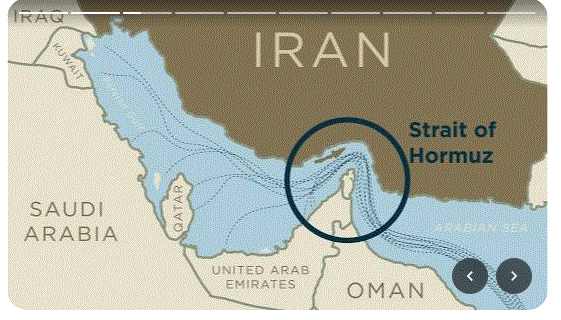
The Strait of Hormuz is one of the most critical maritime chokepoints in the world. Situated between Iran and Oman, it serves as the primary gateway for oil exports from the Persian Gulf to global markets. Roughly 20–30% of the world’s seaborne oil passes through this narrow passage, making it a vital artery for global energy security. Any disruption in this region can send shockwaves across international economies.
Over the decades, the Strait of Hormuz has been at the center of geopolitical tensions, military confrontations, and economic anxieties. The “Strait of Hormuz crisis” refers to recurring periods of heightened tension involving threats to shipping, military build-ups, and diplomatic standoffs, primarily involving Iran, the United States, and allied nations.
Geographic and Strategic Importance
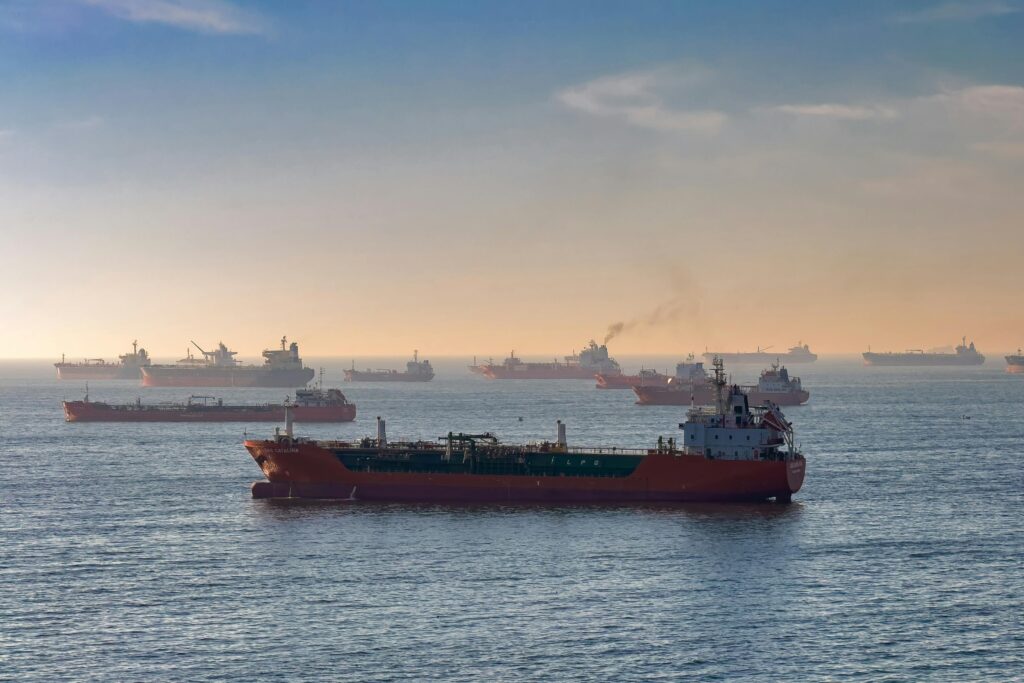
The Strait of Hormuz is only about 33 kilometers wide at its narrowest point, with shipping lanes even narrower. Despite its limited width, it accommodates massive volumes of oil tankers transporting crude oil and liquefied natural gas from countries like Saudi Arabia, Iraq, Kuwait, and the United Arab Emirates.
Its strategic importance lies not only in energy transportation but also in military positioning. Control or disruption of this chokepoint can influence global oil prices, economic stability, and geopolitical alliances. The region is heavily patrolled by naval forces, especially the United States Navy and allied forces.
Historical Background
Early Conflicts
Tensions in the Strait of Hormuz date back to the late 20th century, particularly during the Iran-Iraq War. During this period, both sides targeted oil tankers in what became known as the “Tanker War.” This led to increased international naval presence to protect shipping routes.
U.S. Involvement
The United States has played a significant role in maintaining freedom of navigation in the region. Operations like escorting oil tankers and deploying naval fleets were aimed at deterring attacks and ensuring uninterrupted oil flow.
Modern Tensions
In recent decades, tensions have escalated due to disputes over Iran’s nuclear program, economic sanctions, and regional influence. The United Nations and Western powers have imposed sanctions on Iran, leading to retaliatory threats to close the Strait.
Causes of the Strait of Hormuz Crisis
1. Geopolitical Rivalry
The primary cause of recurring crises is the geopolitical rivalry between Iran and the United States, along with its allies. Iran views the U.S. military presence as a threat, while the U.S. seeks to ensure regional stability and protect its interests.
2. Economic Sanctions
Sanctions imposed on Iran have significantly impacted its economy. In response, Iran has periodically threatened to block the Strait of Hormuz as leverage against these sanctions.
3. Energy Security Concerns
Countries dependent on Gulf oil exports are highly sensitive to disruptions. Even minor incidents can cause global oil prices to spike, affecting economies worldwide.
4. Regional Conflicts
Conflicts in the Middle East, including tensions involving Israel and Gulf nations, often spill over into the Strait, increasing instability.
Major Incidents in the Strait of Hormuz
Tanker Attacks
There have been multiple incidents where oil tankers were attacked or sabotaged. These attacks are often blamed on Iran or its proxies, though Iran frequently denies involvement.
Drone Shootdowns
In 2019, Iran shot down a U.S. drone, claiming it had entered Iranian airspace. The United States disputed this, stating the drone was in international airspace.
Seizure of Ships
Iran has seized foreign oil tankers, citing violations of maritime laws. These actions have escalated tensions and prompted international responses.
Military Presence and Escalation
The Strait of Hormuz is one of the most militarized regions in the world. The United States maintains a strong naval presence, including aircraft carriers and destroyers. Iran, on the other hand, uses asymmetric warfare tactics, such as fast attack boats, mines, and missile systems.
Other countries, including the United Kingdom and France, also contribute to maritime security efforts.
The risk of miscalculation is high. A small incident can quickly escalate into a larger conflict, potentially involving multiple nations.
Economic Impact
Oil Prices
Any disruption in the Strait of Hormuz leads to immediate fluctuations in global oil prices. Since a significant portion of the world’s oil supply passes through this route, even the threat of closure can cause price spikes.
Global Trade
The Strait is not only crucial for oil but also for general trade. Disruptions can affect shipping routes, increase insurance costs, and delay deliveries.
Impact on Importing Countries
Countries like India, China, and Japan are heavily dependent on oil imports through the Strait. Any crisis directly impacts their economies.
Environmental Risks
A crisis in the Strait of Hormuz also poses significant environmental risks. Oil spills resulting from tanker attacks or accidents can have devastating effects on marine ecosystems.
The Persian Gulf is home to diverse marine life, and pollution can disrupt fisheries, harm wildlife, and affect coastal communities.
Diplomatic Efforts and De-escalation
International Negotiations
Diplomatic efforts have been ongoing to reduce tensions. Agreements like the Iran nuclear deal aimed to ease sanctions in exchange for limits on Iran’s nuclear program.
Role of International Organizations
Organizations like the United Nations have attempted to mediate conflicts and promote dialogue between opposing parties.
Regional Cooperation
Some Gulf countries have sought to improve relations with Iran to reduce tensions and ensure stability in the region.
Future Outlook
The Strait of Hormuz will likely remain a focal point of geopolitical tension. Several factors will influence its future:
- Energy Transition: As the world moves toward renewable energy, dependence on oil may decrease, reducing the Strait’s importance.
- Technological Advancements: Improved surveillance and defense systems may reduce the risk of attacks.
- Diplomatic Relations: Improved relations between Iran and Western countries could stabilize the region.
However, ongoing conflicts and rivalries suggest that the risk of future crises remains high.
Conclusion
The Strait of Hormuz crisis is a complex issue rooted in geopolitical rivalry, economic interests, and regional conflicts. Its significance extends far beyond the Middle East, affecting global energy markets, trade, and security.
Ensuring stability in this vital waterway requires cooperation, diplomacy, and a commitment to peaceful resolution of conflicts. As the world continues to rely on energy resources transported through this narrow passage, the importance of maintaining peace in the Strait of Hormuz cannot be overstated.