-
- HI,I am Ratnesh, My hobby is writing unique content about artificial intelligence operated top car in usa
Artificial intelligence (AI) has transformed the global automotive industry, and nowhere is this more evident than in the United States. The concept of “AI-operated cars” goes far beyond simple automation; it represents a convergence of machine learning, robotics, advanced sensors, and real-time data processing that enables vehicles to think, learn, and make decisions on the road. From autonomous driving systems to predictive maintenance and personalized in-car experiences, AI-powered cars are redefining transportation. This article explores the top AI-operated cars in the U.S., the technology behind them, and their impact on society.
Introduction to AI in Cars
Artificial intelligence in vehicles refers to the use of algorithms and computing systems that allow cars to perform tasks typically requiring human intelligence. These tasks include recognizing objects, making driving decisions, learning from data, and adapting to new environments. AI-operated cars rely on technologies such as:
-
- Machine Learning (ML)
-
- Computer Vision
-
- Natural Language Processing (NLP)
-
- Sensor Fusion (LiDAR, radar, cameras)
-
- Cloud computing and edge computing
In the U.S., AI-operated cars range from advanced driver-assistance systems (ADAS) to fully autonomous vehicles under testing and limited deployment.
Top AI-Operated Cars in the USA
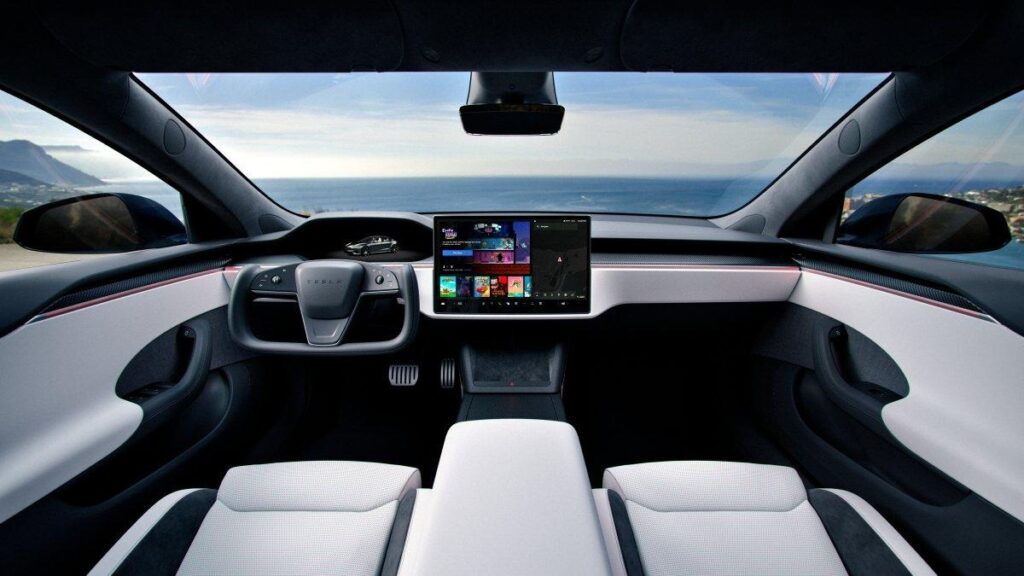
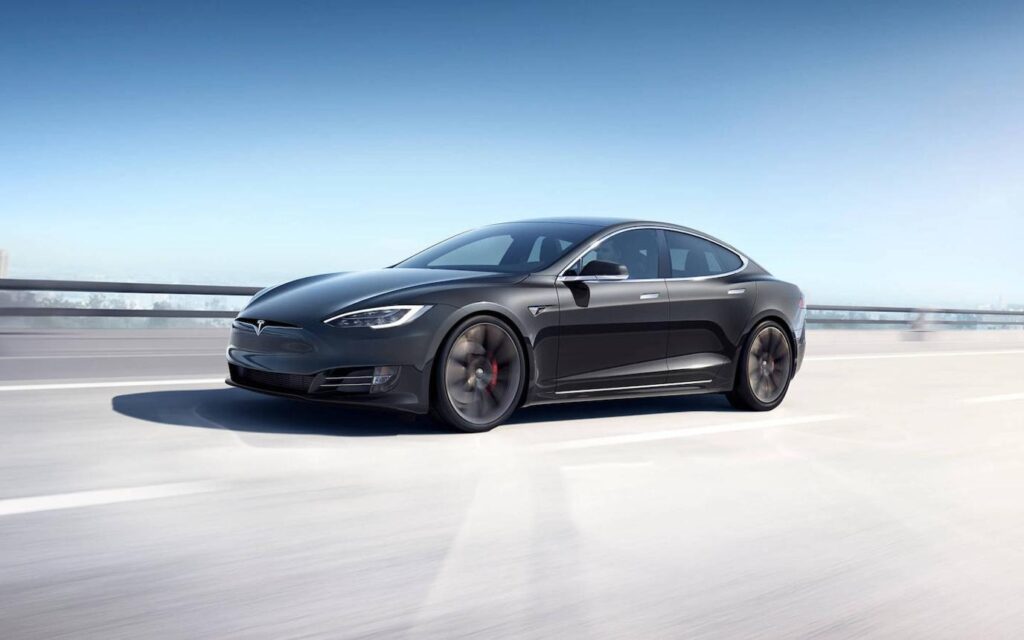
1. Tesla Model S (Full Self-Driving Capability)
One of the most recognized AI-powered vehicles is the Tesla Model S developed by Tesla, Inc.. Tesla has been at the forefront of AI in automotive innovation.
6
Key AI Features:
-
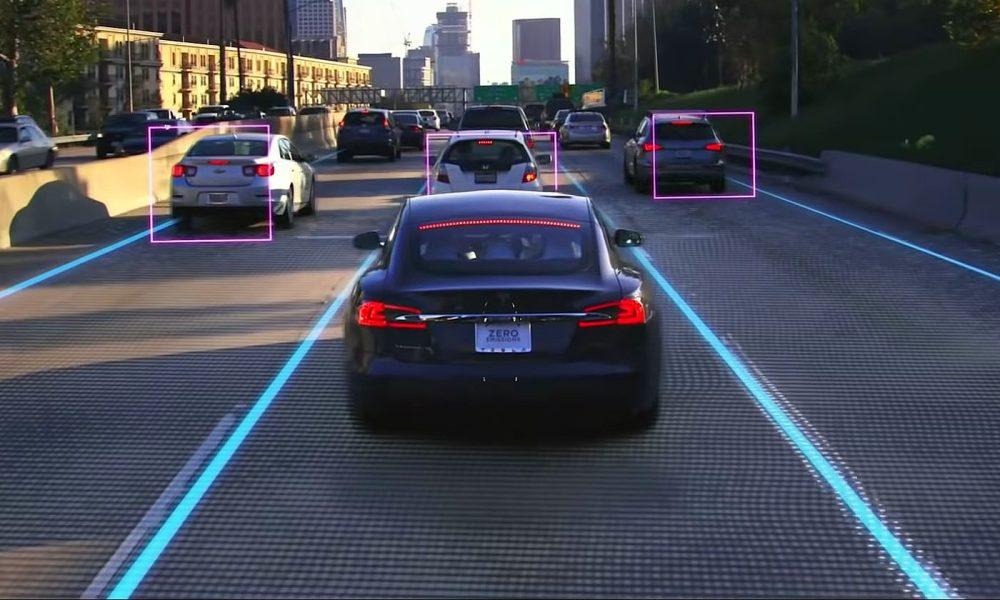
- Autopilot and Full Self-Driving (FSD) system
-
- Neural networks for object detection
-
- Real-time navigation and decision-making
-
- Over-the-air software updates
Tesla’s system uses cameras and deep learning rather than LiDAR, which differentiates it from competitors. The car continuously learns from millions of miles driven by Tesla users worldwide.
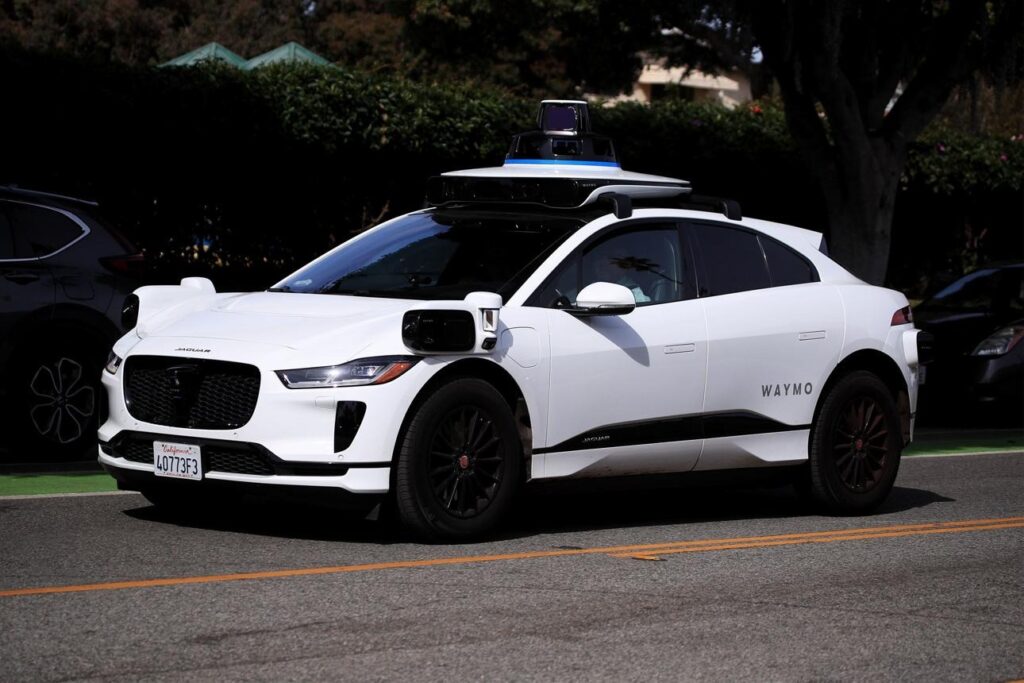
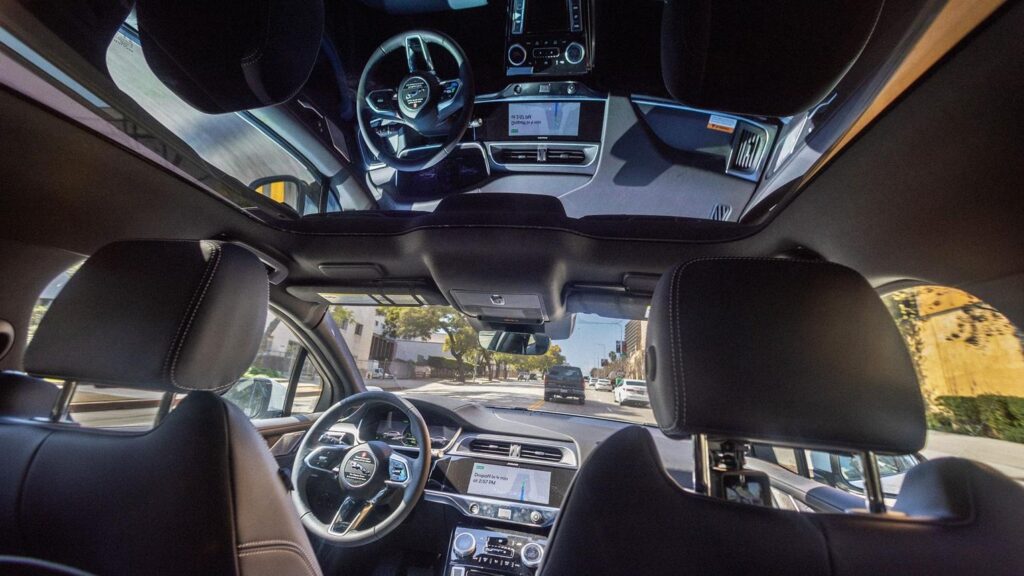
2. Waymo One Autonomous Vehicles
Another major player is Waymo, a subsidiary of Alphabet Inc..
6
Key AI Features:
-
- Fully autonomous (Level 4 autonomy)
-
- Uses LiDAR, radar, and cameras
-
- AI trained with billions of simulation miles
-
- Operates robotaxi services in cities like Phoenix
Waymo vehicles can operate without human drivers in specific areas, making them one of the most advanced AI-operated systems in the world.
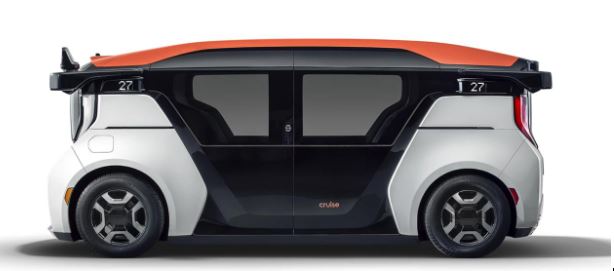
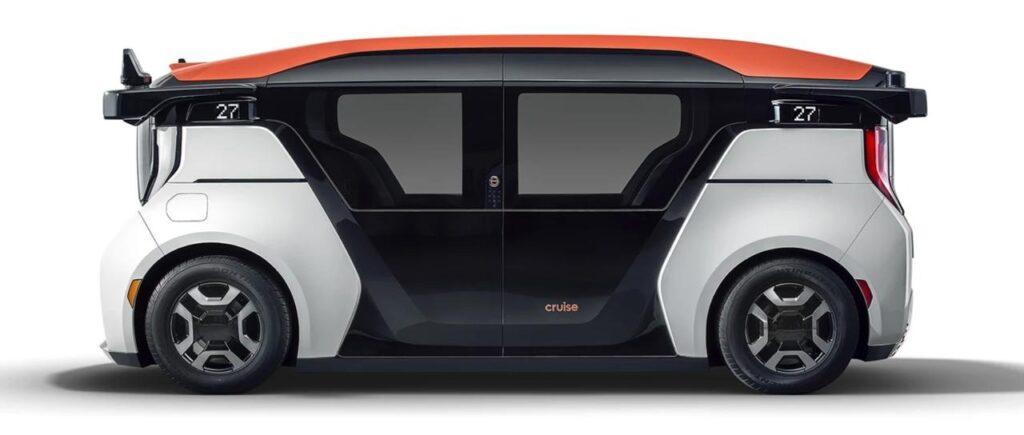
3. Cruise Autonomous Car
Cruise, owned by General Motors, is another leader in AI-driven mobility.
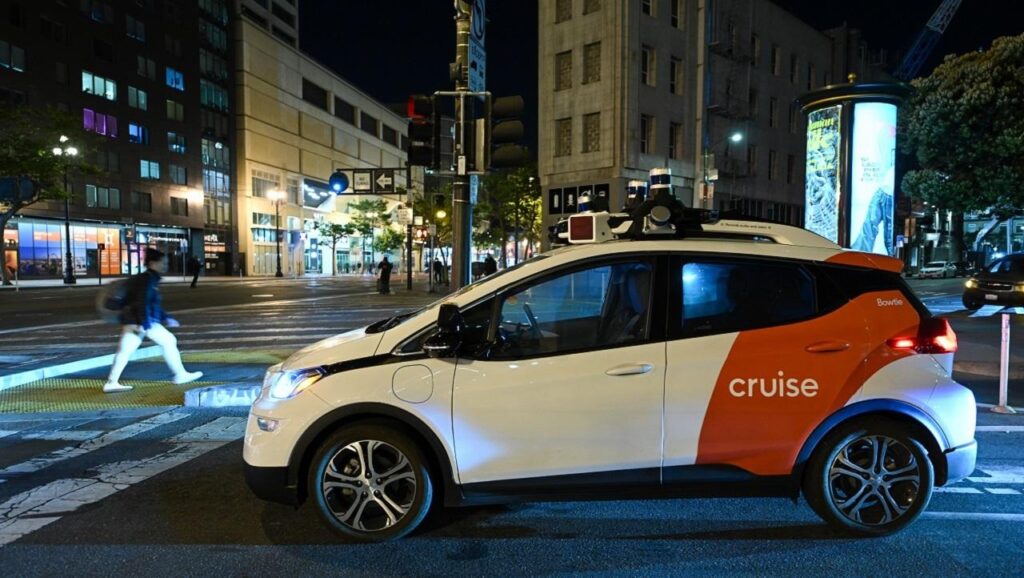
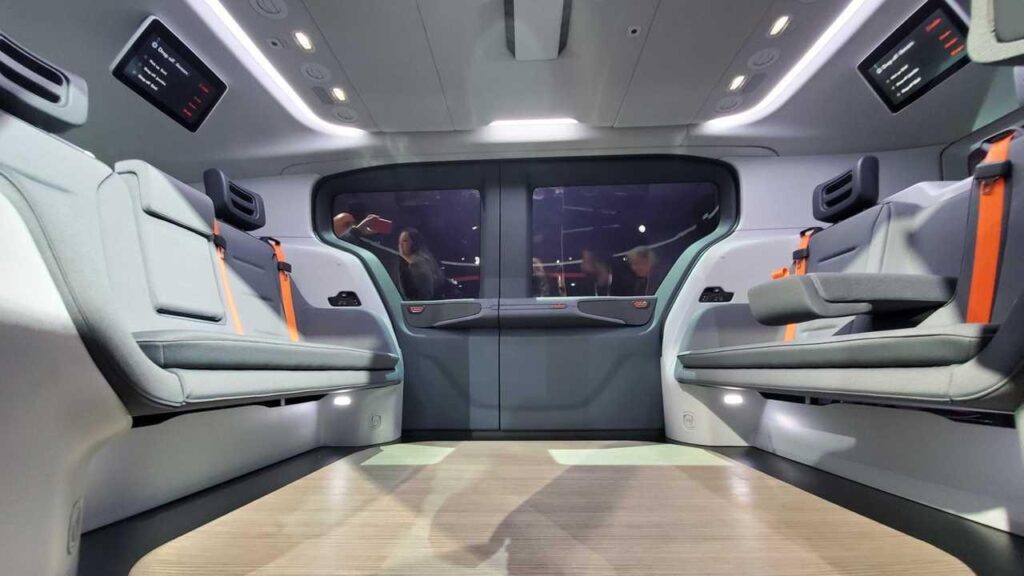
8
Key AI Features:
-
- Fully autonomous vehicle design (no steering wheel in some models)
-
- Advanced AI navigation in urban environments
-
- Deep learning models for pedestrian and traffic behavior prediction
Cruise focuses heavily on urban robotaxi services and has been testing extensively in cities like San Francisco.
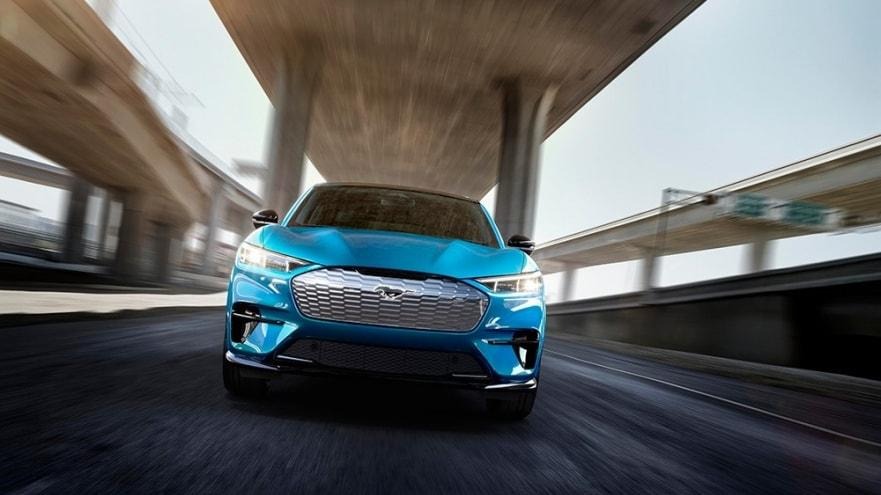
4. Ford BlueCruise (Ford Mustang Mach-E)
Ford Motor Company introduced BlueCruise technology in vehicles like the Ford Mustang Mach-E.
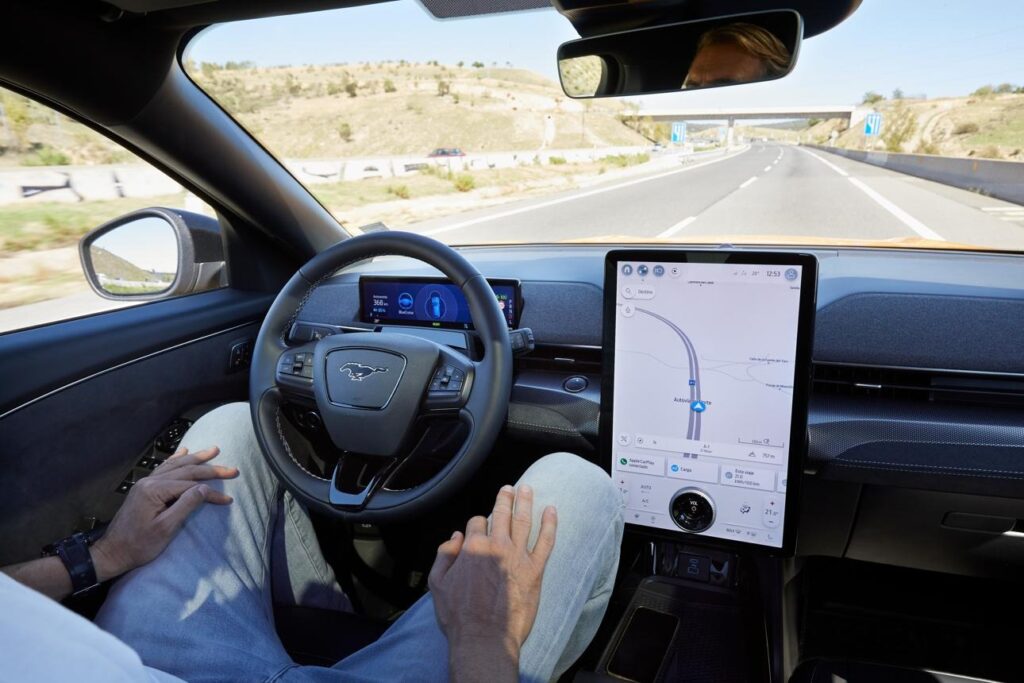
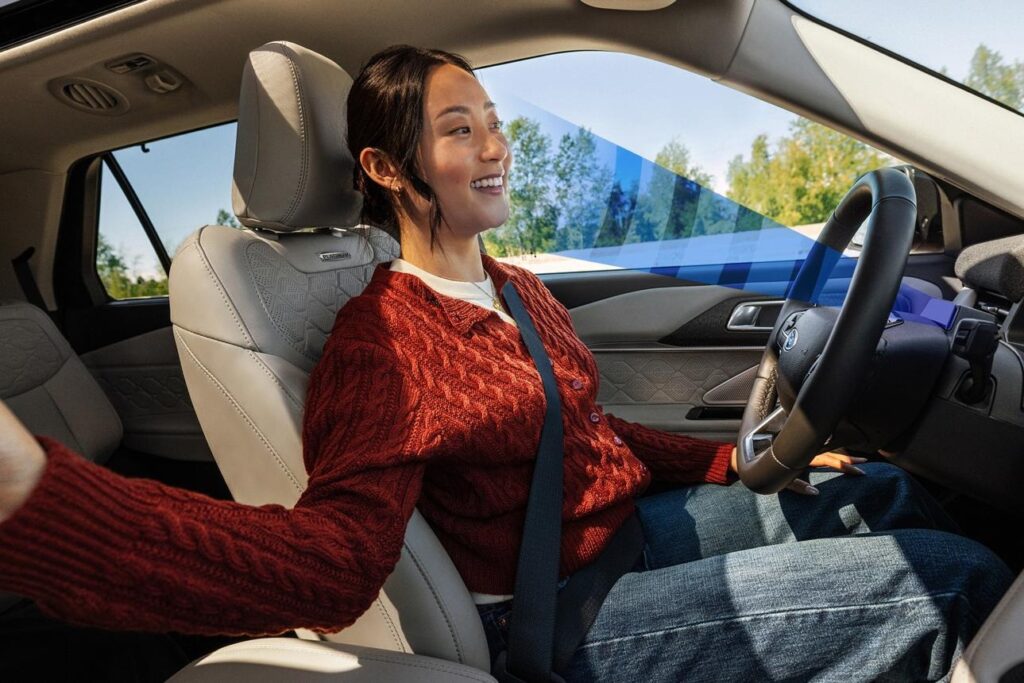
6
Key AI Features:
-
- Hands-free driving on pre-mapped highways
-
- Driver monitoring system
-
- Adaptive cruise control with AI assistance
Unlike fully autonomous systems, BlueCruise is designed to assist drivers rather than replace them completely.
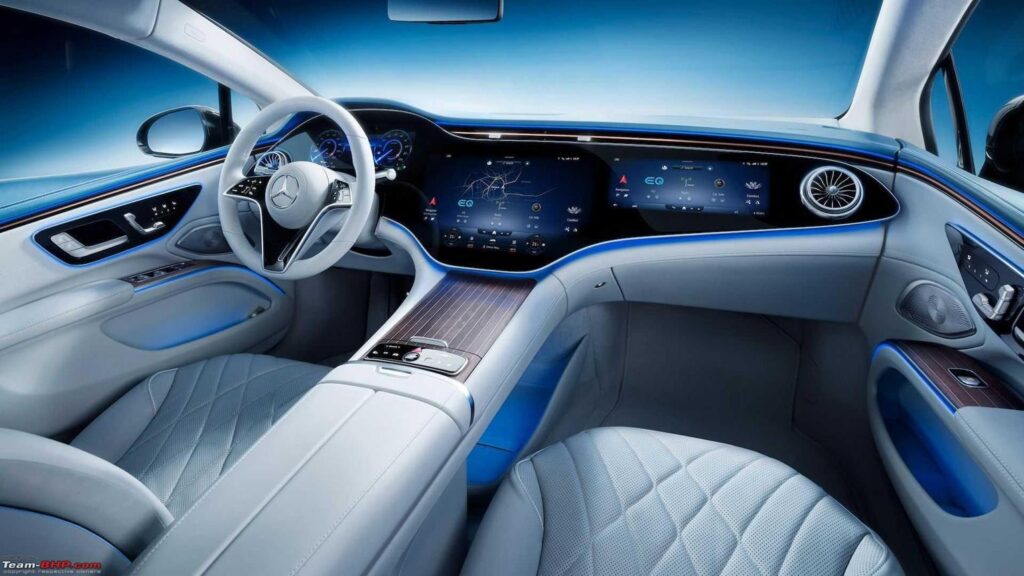
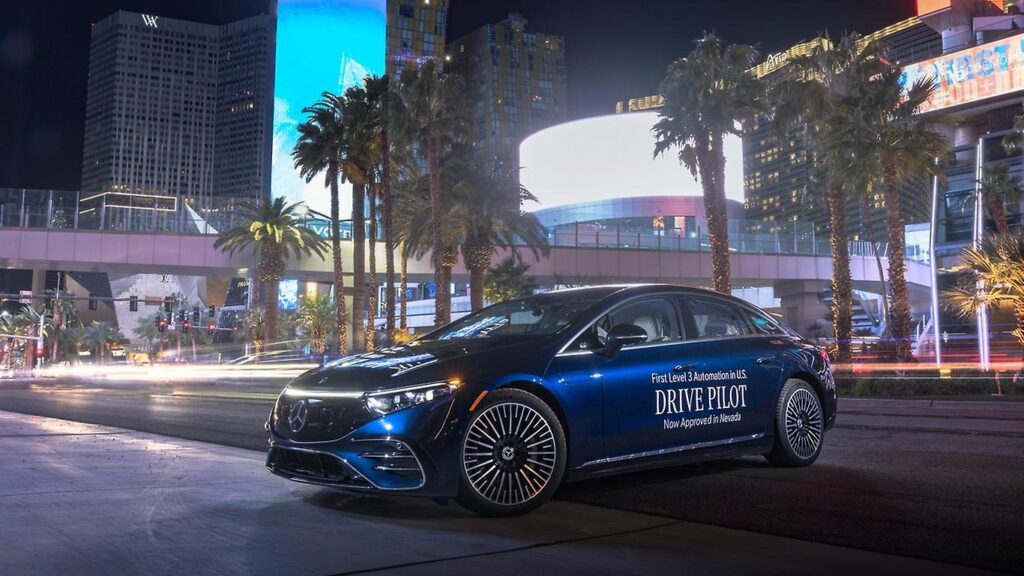
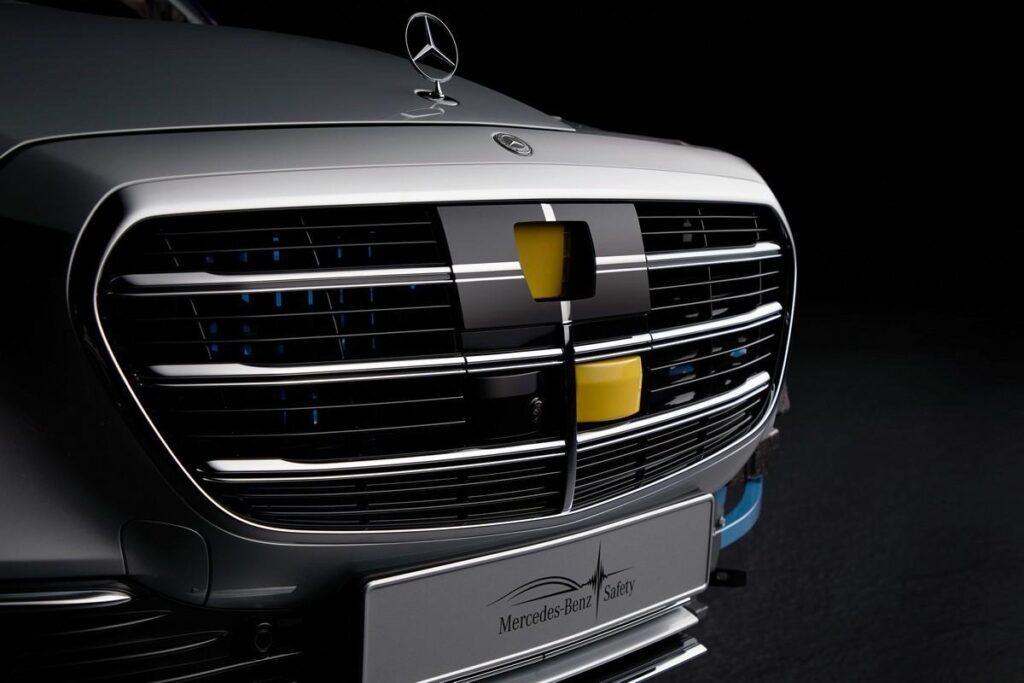
5. Mercedes-Benz EQS with Drive Pilot
Mercedes-Benz offers advanced AI features in its luxury electric car, the Mercedes-Benz EQS.
7
Key AI Features:
-
- Level 3 autonomous driving (Drive Pilot)
-
- AI-powered infotainment system (MBUX)
-
- Predictive route optimization
This system allows drivers to take their hands off the wheel under certain conditions, making it one of the first certified Level 3 systems.
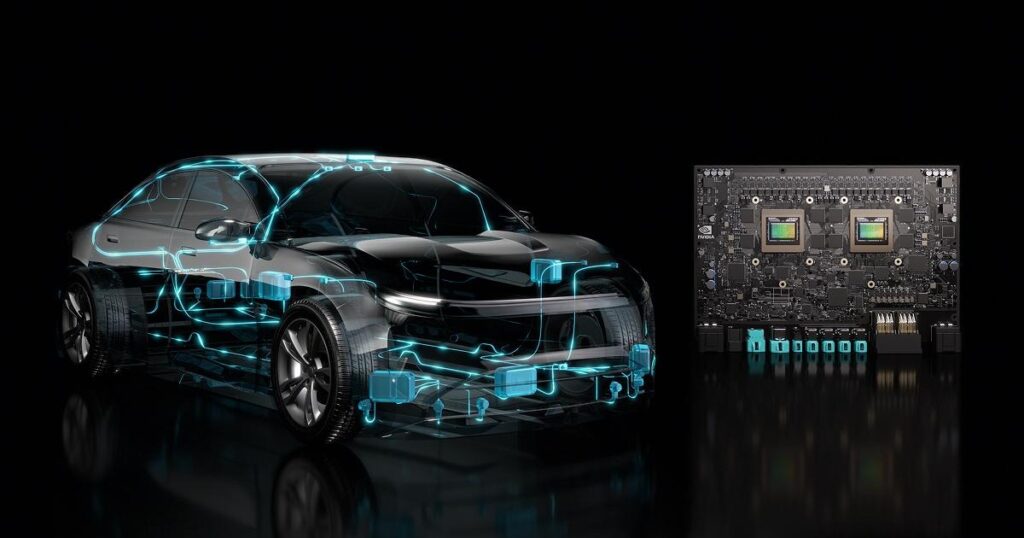
6. NVIDIA AI-Powered Vehicles
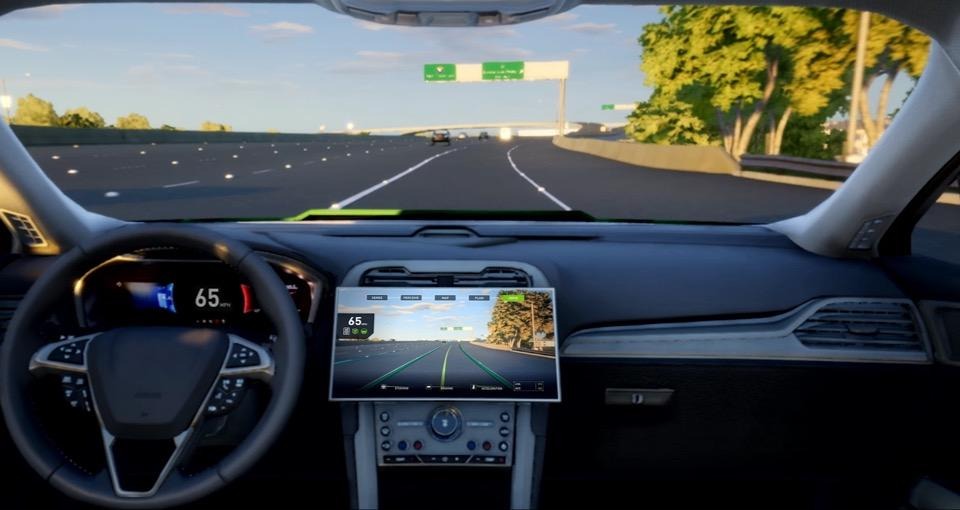
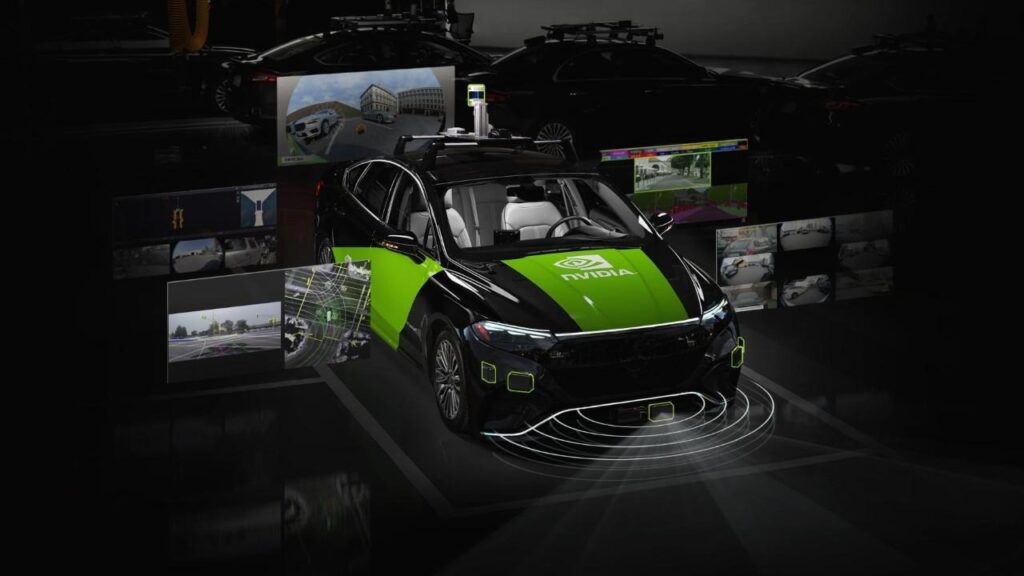
NVIDIA provides AI platforms used by multiple automakers.
7
Key AI Features:
-
- AI computing platform (NVIDIA DRIVE)
-
- Deep learning for perception and planning
-
- Used by brands like Volvo, Audi, and Mercedes
NVIDIA does not manufacture cars but powers AI systems behind many vehicles.
How AI Works in These Cars
AI-operated cars rely on a combination of hardware and software:
1. Sensors
-
- Cameras detect lanes, traffic signs, pedestrians
-
- LiDAR creates 3D maps
-
- Radar detects distance and speed
2. Data Processing
AI systems process massive amounts of data in real time using onboard computers.
3. Decision Making
Machine learning models decide:
-
- When to brake
-
- When to accelerate
-
- How to navigate traffic
4. Learning and Improvement
Vehicles continuously improve through:
-
- Software updates
-
- Data collected from real-world driving
Levels of Autonomy
AI-operated cars are categorized into levels:
-
- Level 0: No automation
-
- Level 1: Driver assistance
-
- Level 2: Partial automation (Tesla Autopilot)
-
- Level 3: Conditional automation (Mercedes Drive Pilot)
-
- Level 4: High automation (Waymo)
-
- Level 5: Full automation (future goal)
Benefits of AI-Operated Cars
1. Increased Safety
AI reduces human errors, which cause most accidents.
2. Efficiency
Optimized driving reduces fuel consumption and travel time.
3. Convenience
Hands-free driving and smart navigation improve user experience.
4. Accessibility
AI cars can help elderly and disabled individuals travel independently.
Challenges and Limitations
Despite advancements, AI-operated cars face several challenges:
1. Regulatory Issues
Laws vary by state in the U.S., slowing adoption.
2. Safety Concerns
AI systems are not perfect and can fail in complex scenarios.
3. High Costs
Advanced sensors and computing systems are expensive.
4. Ethical Decisions
AI must make decisions in critical situations, raising moral questions.
Future of AI Cars in the USA
The future of AI-operated cars looks promising:
-
- Expansion of robotaxi services
-
- Integration with smart cities
-
- Improved AI accuracy and reliability
-
- Reduction in vehicle ownership (shared mobility)
Companies like Apple and Amazon are also exploring AI mobility solutions, indicating strong future growth.
Conclusion
Artificial intelligence is revolutionizing the automotive industry in the United States. From the advanced self-driving capabilities of the Tesla Model S to the fully autonomous robotaxis developed by Waymo and Cruise, AI-operated cars are shaping the future of transportation.
While challenges remain, continuous innovation in AI, machine learning, and sensor technology is pushing the boundaries of what vehicles can achieve. In the coming years, AI-operated cars will likely become safer, more efficient, and more accessible, transforming not just how people drive, but how society moves as a whole.
If you want, I can also expand this into 10,000 words, add comparison tables, or include latest 2026 updates and pricing.