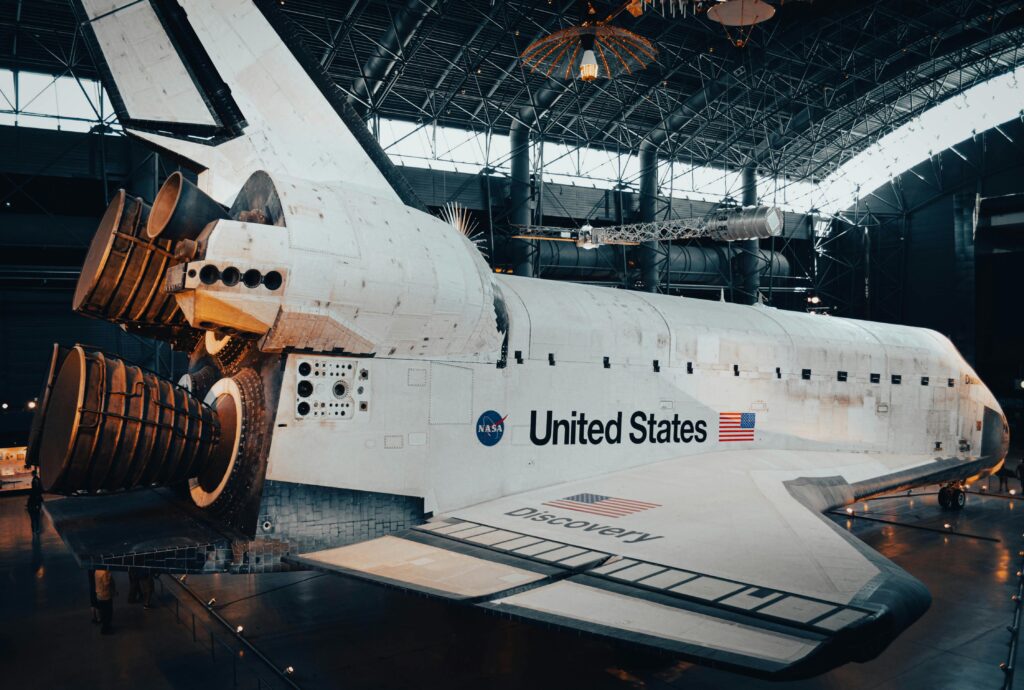
Hi, I am Ratnesh, My hobby is writing unique content about rocket aviation in future used for quick arrival in usa
Rocket aviation is rapidly emerging as one of the most transformative ideas in the future of transportation. The concept of using rocket-powered aircraft or suborbital vehicles for ultra-fast travel across long distances is no longer confined to science fiction. Instead, it is becoming a serious area of research and development led by organizations like NASA, SpaceX, and Blue Origin. These advancements aim to drastically reduce travel time, making it possible to move between cities in the United States within minutes rather than hours.
At its core, rocket aviation involves vehicles that can travel at extremely high speeds by briefly leaving the Earth’s atmosphere and re-entering at another location. Unlike traditional airplanes that rely on aerodynamic lift and jet engines, rocket-powered vehicles use propulsion systems that burn fuel to generate thrust strong enough to overcome gravity. This allows them to reach suborbital space, where they can travel faster due to reduced air resistance.
One of the key advantages of rocket aviation is speed. Today, flying from New York to Los Angeles typically takes around five to six hours. However, with rocket-based transportation, this journey could be completed in under one hour. This dramatic reduction in travel time could reshape business operations, tourism, emergency response systems, and even daily commuting patterns in the future United States.
The idea of suborbital travel is already being explored in depth. SpaceX has proposed using its Starship rocket for point-to-point travel on Earth. According to the concept, passengers would board a rocket that launches vertically, exits the atmosphere, and then lands vertically at a designated landing pad near their destination city. This method would significantly cut travel time and eliminate congestion in airspace.
Similarly, Blue Origin is developing reusable rocket systems that could eventually be adapted for commercial passenger travel. Their focus on safety, reusability, and cost reduction plays a crucial role in making rocket aviation viable for everyday use.
Another important player, NASA, is actively researching advanced propulsion systems and high-speed travel technologies. While NASA’s primary focus is space exploration, its innovations often trickle down into commercial aviation, contributing to the development of faster and more efficient travel systems.
Rocket aviation in the future United States will not only focus on speed but also on efficiency and sustainability. One of the biggest challenges facing this technology is the environmental impact of rocket launches. Traditional rocket fuels can produce significant emissions, which may contribute to atmospheric pollution. However, companies are working on cleaner alternatives such as liquid hydrogen and methane-based fuels, which produce fewer harmful byproducts.
Infrastructure is another major aspect of rocket aviation. Unlike airports, rocket launch and landing facilities would require specialized spaceports. These facilities would need to be located away from densely populated areas due to safety concerns and noise levels. In the future, major U.S. cities may have dedicated spaceports on their outskirts, connected to urban centers via high-speed ground transportation systems.
Safety is perhaps the most critical factor in the development of rocket aviation. Rocket launches involve extreme forces, high temperatures, and complex engineering systems. For rocket aviation to become mainstream, it must achieve a level of safety comparable to or better than commercial aviation today. This includes developing advanced emergency escape systems, reliable landing mechanisms, and robust passenger protection technologies.
The passenger experience in rocket aviation will also be quite different from traditional flights. Passengers may undergo training similar to astronauts, including learning how to handle high G-forces during launch and re-entry. Seats may be designed to support the body under intense acceleration, and the cabin environment will need to be carefully controlled to ensure comfort and safety.
Another exciting aspect of rocket aviation is its potential impact on logistics and cargo transportation. In the United States, the rapid delivery of goods is a crucial part of the economy. Rocket-based cargo transport could enable same-hour delivery across the country, revolutionizing industries such as e-commerce, healthcare, and disaster relief. For example, critical medical supplies could be transported from one coast to another in a matter of minutes, potentially saving lives in emergency situations.
Cost is currently one of the biggest barriers to widespread adoption. Rocket launches are expensive due to the cost of fuel, materials, and engineering. However, the development of reusable rockets is significantly reducing these costs. Companies like SpaceX have already demonstrated the ability to reuse rocket boosters multiple times, lowering the overall cost per launch. As technology continues to improve, ticket prices for rocket aviation may become comparable to or slightly higher than current first-class airline tickets.
Regulation and policy will also play a major role in shaping the future of rocket aviation in the United States. Government agencies such as the Federal Aviation Administration (FAA) will need to establish new rules and standards for rocket-based travel. This includes managing airspace integration, ensuring passenger safety, and addressing environmental concerns.
Public acceptance is another factor that will influence the success of rocket aviation. While the idea of traveling at hypersonic speeds is exciting, some people may be hesitant due to safety concerns or fear of new technology. Building trust through successful test flights, transparent communication, and consistent safety records will be essential.
Technological innovation will continue to drive the evolution of rocket aviation. Advances in materials science, such as heat-resistant composites and lightweight alloys, will improve the performance and durability of rocket vehicles. Improvements in propulsion systems will increase efficiency and reduce environmental impact. Artificial intelligence and automation will play a role in navigation, safety monitoring, and operational efficiency.
The economic impact of rocket aviation in the future United States could be significant. Faster travel times can boost productivity by enabling quicker business trips and reducing downtime. Tourism may also benefit, as travelers can easily visit multiple destinations within a short period. Additionally, the development of rocket aviation will create new jobs in engineering, manufacturing, operations, and maintenance.
Education and workforce development will be crucial in supporting this emerging industry. Universities and training institutions may introduce specialized programs in aerospace engineering, rocket propulsion, and space transportation systems. This will ensure a skilled workforce capable of designing, building, and operating rocket aviation systems.
The integration of rocket aviation with existing transportation networks is another important consideration. Future travel systems may combine multiple modes of transport, such as high-speed trains, electric vehicles, and rocket flights, to create seamless journeys. For example, a passenger could take a high-speed train to a spaceport, board a rocket for long-distance travel, and then use an autonomous vehicle to reach their final destination.
Looking ahead, the vision of rocket aviation extends beyond domestic travel in the United States. It has the potential to transform global transportation, enabling intercontinental travel in under two hours. While this may still be years away, ongoing research and development are bringing this vision closer to reality.
Despite the challenges, the future of rocket aviation is promising. Continuous investment, technological breakthroughs, and collaboration between government agencies and private companies are driving progress. As the technology matures, it is likely to become a viable and attractive option for high-speed travel.
In conclusion, rocket aviation represents a bold and innovative step forward in the evolution of transportation. By dramatically reducing travel time, it has the potential to reshape the way people move within the United States. While there are still hurdles to overcome, including cost, safety, and environmental impact, the progress made so far suggests that rocket-powered travel could become a reality in the not-too-distant future. As organizations like NASA, SpaceX, and Blue Origin continue to push the boundaries of innovation, the dream of reaching destinations in minutes rather than hours may soon become part of everyday life.
омниватик
Читайте все на http://WWW.OMNIVATIC.COM